Image courtesy ANYbotics
table of contents
-
Reimagining Subsea Cable Design: Seequent’s Integrated Approach to Thermal Modelling
-
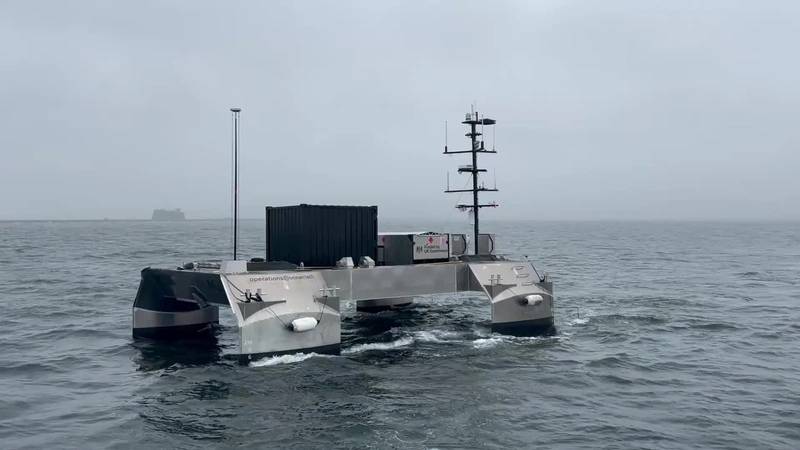
ACUA Ocean’s USV PIONEER becomes the first ROUV certified under the UK Workboat Code 3
The certification represents a significant development in the evolution of regulatory pathways for uncrewed and autonomous vessels operating in UK waters.
-
 ©YPF
©YPF
Argentina’s 30 MMtpa LNG Ambition by 2030 – Is It feasible?
The development Argentina’s vast Vaca Muerta share is transforming the nation into a rising energy exporter, with oil and pipeline gas already flowing abroad and an ambitious multi-phase ‘Argentina LNG’ initiative aiming to secure a permanent place in the global liquefied natural gas (LNG) market. While geological resources appear sufficient, the scale and pace of development, however, present challenges.
-
 ©Marharyta/AdobeStock
The Gulf of America Can Lead in Carbon Storage, If Washington Acts
The United States has everything it needs to lead in offshore carbon capture and storage (CCS), except the rules to make it happen.
-
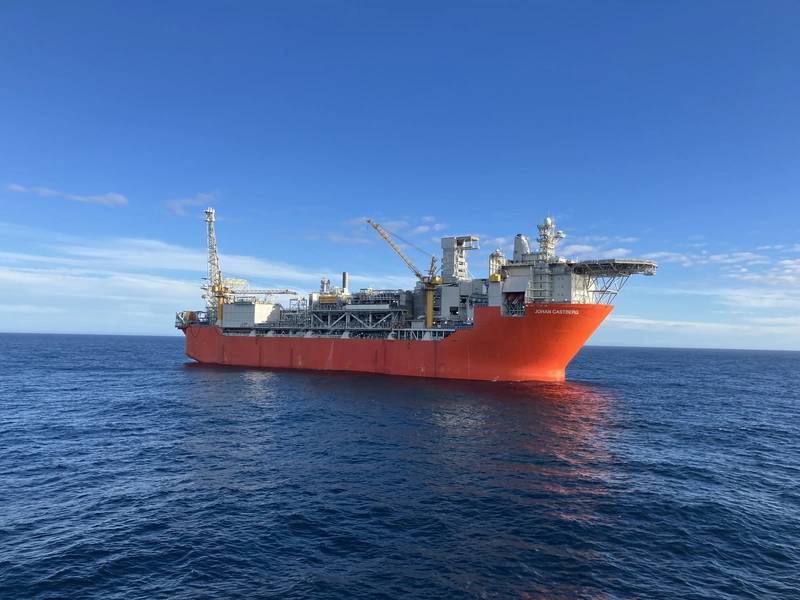 Photo Credit: Lars Morkin © Equinor
Powering Deepwater Production
Designing Gas Turbines for Modern FPSOs.
-
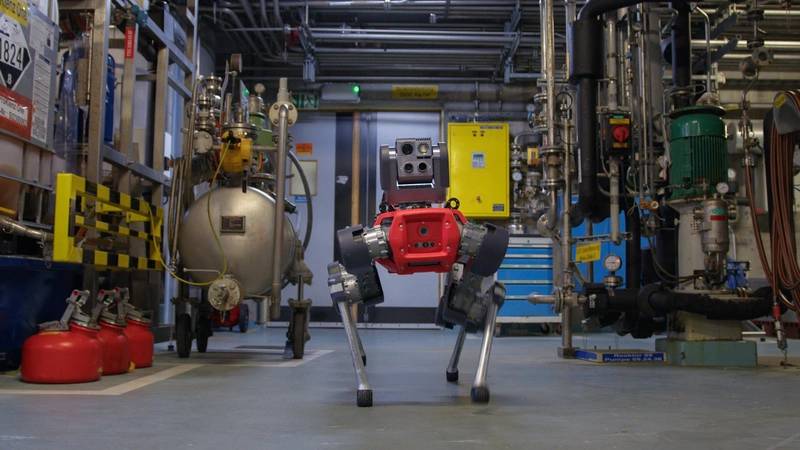 Image courtesy ANYbotics
Patrolling Robots Take Their Next Steps Offshore
Patrolling robots have proven their worth onshore, and confidence is growing in their performance offshore.
-
 Image courtesy OpenTug
OpenTug’s BargeOS: Real-Time Visibility, Predictive Intelligence to O&G Barge Logistics
The tow and barge industry is, to put it kindly, a conservative industry built on a traditional way of doing things. But times are changing, and the need for digital solutions to help track and verify cargoes – particularly in the high-value energy market – is becoming mandatory. The upside: gains in operational efficiency are real and measurable too, for both the transportation company and the shipper, as Jason Aristides, Founder and CEO, OpenTug, discusses in a recent interview with Offshore Engineer TV.
-
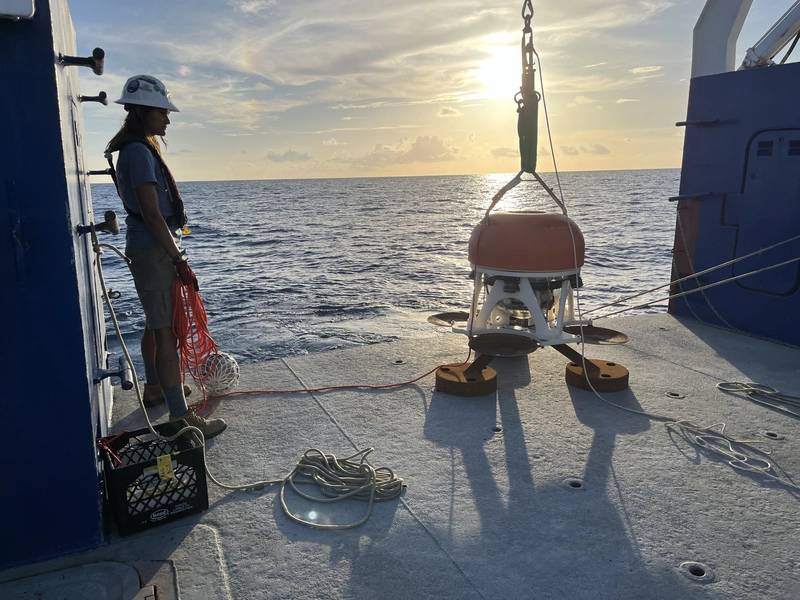 ©University of Rhode Island
Understanding the Deep Currents of the Gulf of America
Since 2018, the National Academies of Sciences, Engineering, and Medicine has been conducting the Understanding Gulf Ocean Systems (UGOS) initiative, a long-term research campaign to improve understanding and prediction of the Gulf of America Loop Current System. The overarching goal of UGOS is to improve forecasting of the Gulf’s oceanographic conditions at spatial and temporal scales relevant to key stakeholders, particularly in reducing risks for offshore energy exploration and production.
-

How Coupling Technologies are Optimizing Marine Power Transmission
Marine engineering is currently undergoing a transformation where efficiency, reliability, and sustainability are under a microscope — and companies are looking to find any and all operational improvements. Within this context, flexible couplings play a humble yet pivotal role in these advancements.
-
 ©SPE Offshore Europe
Oil, Wind, Hydrogen and AI to Converge in Aberdeen at SPE Offshore Europe 2025
-
 Image courtesy SBM Offshore/Ambipar
Product Feature: Drilling Rig & Equipment Innovation
-
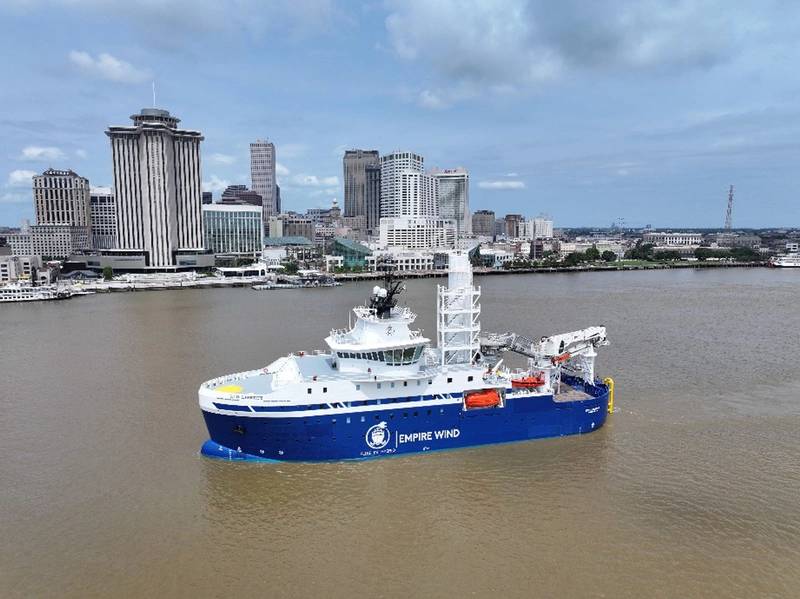 Image courtesy Edison Chouest Offshore/Equinor
Vessels
-
SPE OFFSHORE EUROPE 2025: DIRECTORY