Tech-Driven Energy Security
ABB’s Take on Technology and Energy Resilience
Technology as Enabler of Energy Security in Offshore Asia
In recent years, Asia’s offshore sector has regained strategic importance, particularly in countries such as Malaysia, Indonesia and Vietnam, as operators pursue new upstream opportunities while governments seek to strengthen domestic and regional energy security. Ongoing geopolitical developments and potential exposure to supply disruptions have sharpened focus on the role offshore projects can play in delivering stable and resilient energy supply. In this context, technology - particularly the way offshore assets are designed, powered and integrated - is becoming a critical enabler of execution certainty, reliability and long-term system resilience.
by Khaleef Khan, Vice President, Offshore Solutions, Energy Industries, Asia
Offshore developments are now expected to deliver predictable, resilient supply, making reliability, schedule confidence and execution discipline more important than ever. At the same time, projects are moving forward in a more challenging environment, from mitigating potential supply chain constraints, limited yard and manufacturing capacity, longer equipment lead times and rising cost influencing delivery schedules.
With capital investment becoming more selective, operators are prioritizing projects that demonstrate strong execution credibility, lower risk and greater long-term resilience, alongside faster asset monetization at optimal technical specifications.
Southeast Asia has a steady offshore pipeline - with a significant number of gas developments expected to reach FID by 2028 - and in a more competitive landscape, success is increasingly defined by resource potential, and the ability to engineer and deliver projects with confidence.
Structural Challenges Influencing FIDs and Project Timelines
Delivering on this pipeline requires careful navigation of evolving market conditions, with cost inflation across materials, equipment and offshore services continuing to shape project economics, while supply chain dynamics - including extended lead times for critical systems and availability of yard capacity for FPSOs and large infrastructure - are influencing schedules.
Manpower availability also remains an important consideration, with a tight pool of experienced offshore engineering and construction talent affecting timelines and overall project planning.
At the same time, project demands are also evolving. Developments are moving into deeper waters and more technically demanding reservoirs, with greater integration required across power, control, marine and process systems.
Together, these factors can extend development timelines and increase execution risk – reinforcing the importance of early engineering decisions, integrated design and greater delivery discipline.
FPSOs and the Shift to Integrated, Hybrid Systems

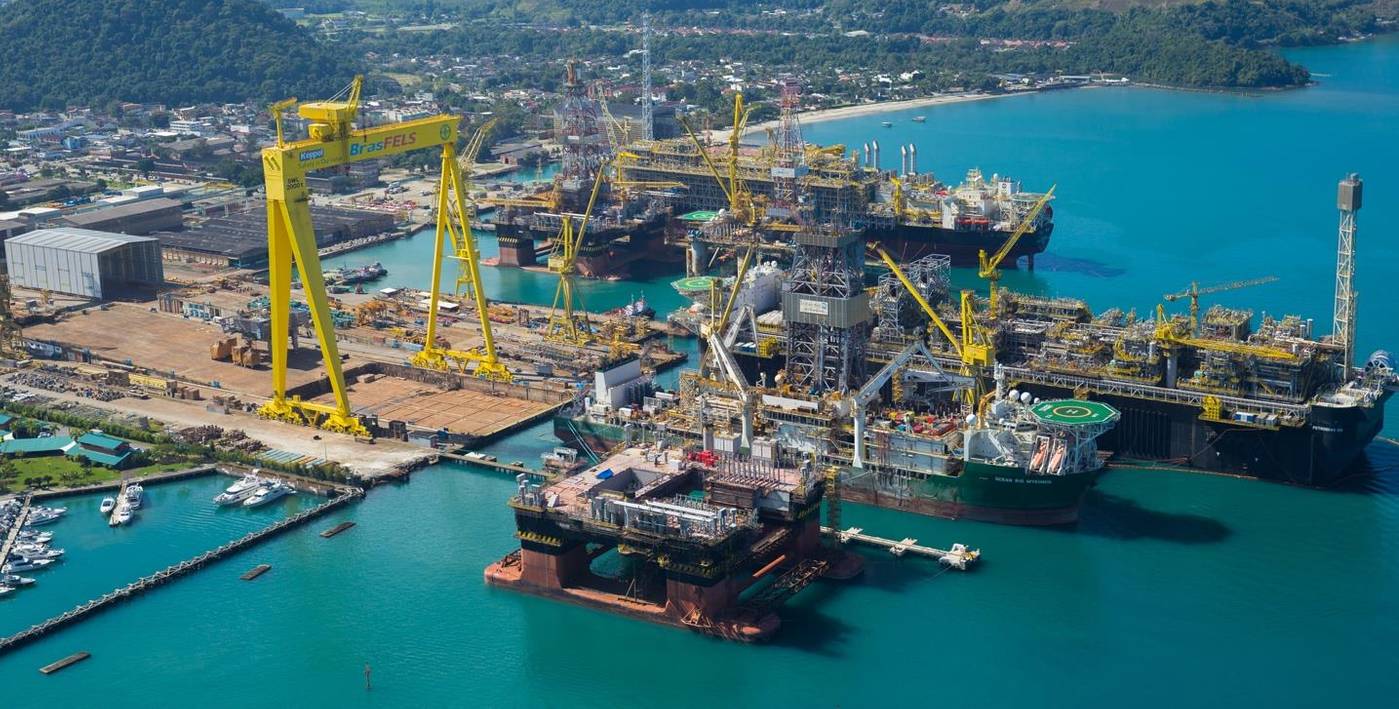
Alongside these dynamics, operators are turning to flexible development models. FPSOs continue to play a critical role in offshore development across Asia. Their flexibility, suitability for deepwater environments and ability to support phased development strategies make them a preferred solution for many operators.
Therefore, FPSOs are increasingly serving as primary production hubs, particularly for gas-led developments in Southeast Asia, reducing reliance on fixed export infrastructure.
FPSOs are becoming significantly more complex and power-intensive assets. Higher processing capacity, increased compression requirements, and expanded electrification, automation and digital systems are now being embedded and integrated from the design stage.
Our experience with modern large FPSO developments in recent years shows that early integration of power, automation and control architecture at the design stage is critical in reducing interface risk and improving commissioning certainty. As FPSO scale and power demand grow, coordinated engineering across disciplines becomes essential to successful delivery.
Hybrid Power Sources and Low-Carbon Integration at FEED Stage
Meanwhile, offshore power generation is a major driver of both operating costs and emissions for offshore assets – bringing hybridization into sharper focus in system design.
Several hybrid power sources are being staged, engineered for grid stability, and designed from front-end engineering design (FEED) phase. This early-stage approach allows hybrid solutions to be engineered for stability, performance and cost efficiency. Even partial integration can deliver meaningful emissions reductions without requiring full replacement of conventional systems.
Power system architecture decisions made at this stage - including grid stability, power management, storage integration and digital and automation solutions to balance supply and demand - ultimately determine how effectively hybridisation can be achieved economically.
Brownfield Optimisation and Digitalisation as Immediate Levers
As new developments advance through extended approval cycles, operators are unlocking significant value through strategic brownfield optimisation. By upgrading electrical and control systems, implementing advanced monitoring and diagnostics, and removing production bottlenecks, asset owners are delivering tangible results: extended asset life, improved availability, and accelerated production efficiency.
These proven approaches deliver lower implementation risk, faster return on investments, and sustained improvements in uptime, reliability, and operational efficiency. For today’s operators, brownfield optimisation represents a strategic opportunity to maximise value from existing assets.
Collaboration, Standardisation and Lifecycle Thinking
As these trends converge, successful delivery also depends not just on technology, but on how projects are coordinated across the value chain, including operators, engineering, procurement and construction companies (EPCs), yards, technology providers and regulators.
Interface complexity tends to increase on technically demanding FPSO and hybrid offshore projects, particularly where coordination spans multiple stakeholders and systems. In this context, greater standardisation and shared infrastructure concepts can help support more efficient integration, improve execution alignment, and enable the more effective adoption of hybrid and digital solutions.
At the same time, an integrated lifecycle approach is becoming essential. This involves bridging CAPEX and OPEX considerations and accounting for reliability, emissions and operating cost over multi-decade asset lifecycles.
Execution Capability Defines Offshore Winners in Asia
Southeast Asia’s offshore sector remains central to regional energy security and continues to offer strong long-term growth. In today’s dynamic environment, the real differentiator lies in execution capability – delivering projects reliably, safely, and on schedule.
As offshore developments become larger, more power-intensive and increasingly constrained by cost, schedule and supply chain pressures, resilience is being determined much earlier in the value chain. Projects that embed system integration, power architecture, hybridisation and lifecycle performance from FEED are better positioned to manage complexity, reduce delivery risk and sustain long-term operational value. At the same time, standardised architectures and early collaboration across the project ecosystem are becoming critical to execution certainty.
FPSOs, hybrid power systems and electrified offshore concepts are shaping the region's next phase of development. In this context, resilience is not achieved at the end of a project – it is engineered in from the start.
About the Author
Khaleef Khan
Khaleef Khan is the Vice President in Hub Asia of ABB’s Energy Industries Division within the Process Automation Business responsible for Offshore Solutions business, where the portfolio covers the Offshore and Onshore Upstream O&G and Offshore Wind projects, offering the entire ABB portfolio of Electrification, Automation, Digital and Telecom, often as modular solution.
 ©ABB
©ABB