Products and Technology
Halliburton Unveils Volta All-Electric Control System for Intelligent Completions
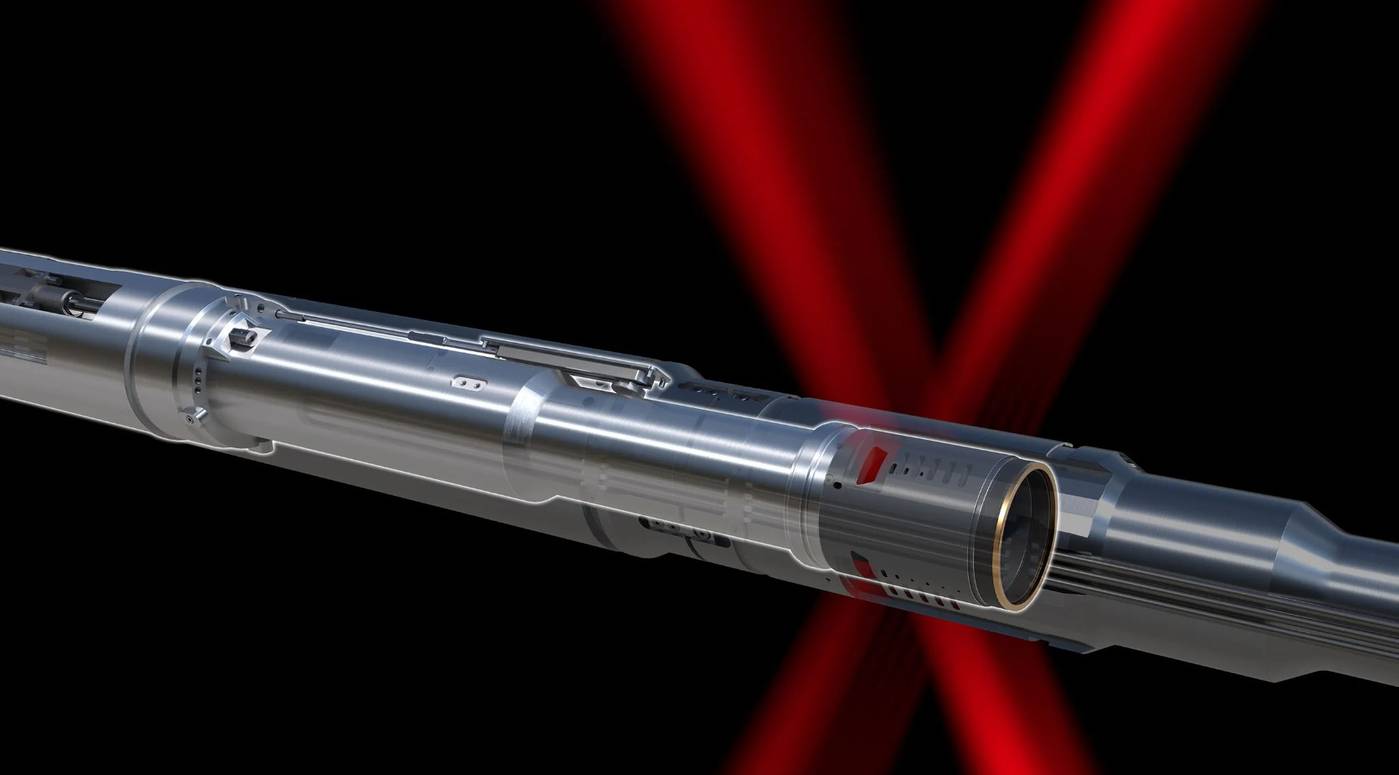
Halliburton has launched the Volta all-electric control system, part of SmartWell intelligent completions, aiming to set a new standard for engineered reservoir management, optimization, and insight.
The Volta all-electric control system uses field‑proven technologies and an open communication network to allow customers to execute continuous health and reservoir monitoring and gain critical insights to improve well performance.
This design increases annual well output, avoids deferred production through reduced recovery time from planned or unplanned shut-ins. The integration of Clariti digital reservoir management suite identifies opportunities to further optimize well performance.
The Volta all-electric control system architecture helps deliver maximum resolution and faster zonal control, which supports a wide range of well types and completion applications. Its mono-conductor, single-line design eliminates hydraulics to streamline deployment and minimize operational risk.
The modularity of the Volta all-electric control valve improves flexibility and reduces inventory. Pre-installation preparation of system sub-assemblies accelerates execution and supports consistent service quality.
Sonardyne Launches Intelligent Subsea Monitoring Tool

Underwater technology specialist Sonardyne has launched Observer, a new advanced monitoring system for real-time integrity management of subsea infrastructure across the offshore energy industry.
Observer combines high and low frequency motion and position monitoring, powerful in-built analytics and wireless communications to deliver live insight into how subsea assets are truly behaving.
This means unseen process and environmental challenges, from pipeline expansion and contraction to vortex and flow induced vibration, can be addressed before they become a problem, lowering risk and intervention and costs, while extending asset life.
Out the box, it’s ROV-deployable, can interface with a wide range of third-party sensors, and can be deployed for up to 10 years at 3,000 m, according to the company.
Observer is designed for use on all subsea assets, through the water column, including pipelines, risers, moorings, umbilicals, wellheads and associated infrastructure, helping integrity managers to reduce uncertainty and strengthen decision making.
The system is easily user configurable, putting control in asset managers’ hands, while data offloading is available on demand through Sonardyne's trusted underwater communications.
US Patent Advances Decom Engineering’s Subsea Cutting Tech Offering
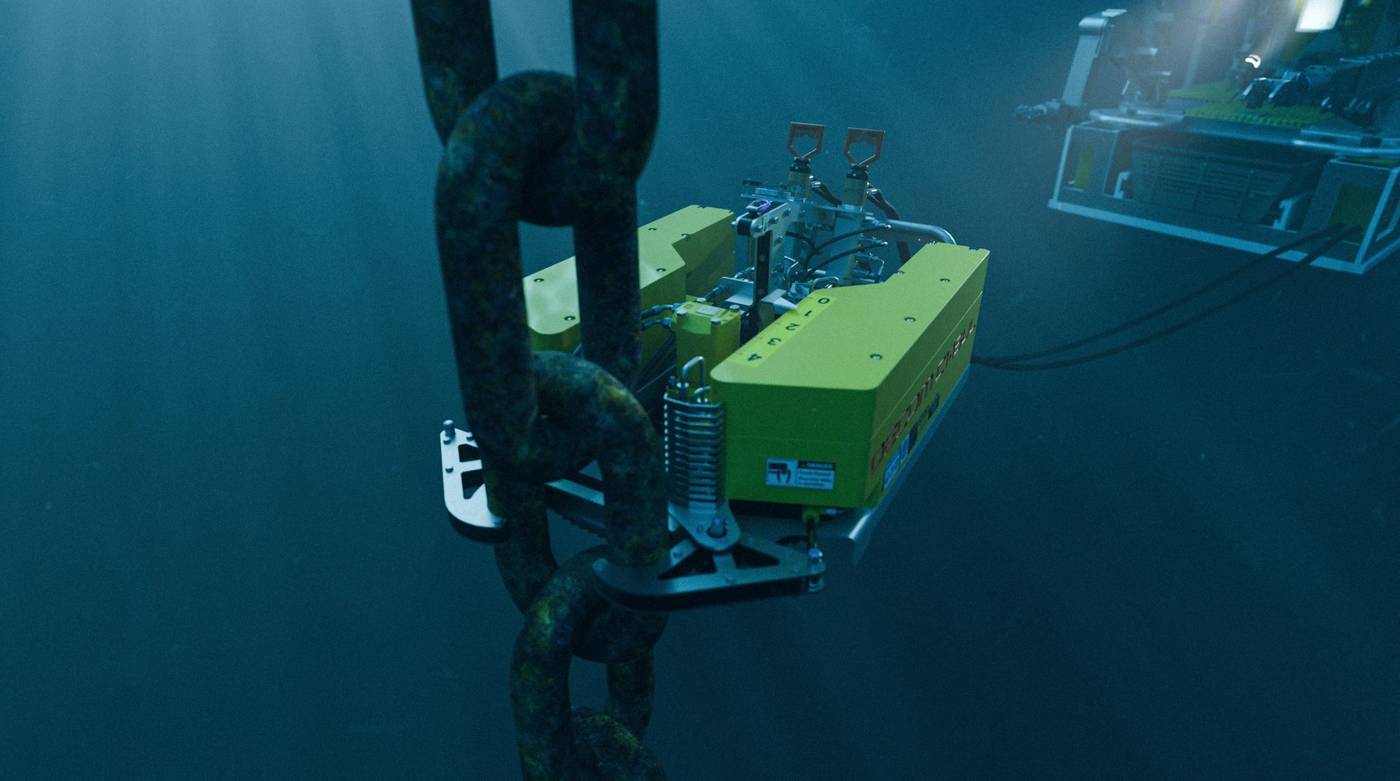
Aberdeen-based subsea technology specialist Decom Engineering has secured a United States patent covering key elements of its Chopsaw cutting technology, strengthening its position in the subsea and onshore cutting market.
The patent protects a combination of mechanical and operational features, including a linear drive cutting system, modular drive arrangement and adaptable clamping methodology, the company said.
Decom Engineering said its system differs from traditional cutting tools by using a controlled linear motion to guide the blade through materials, improving precision, control and consistency across applications.
The technology is designed to cut a range of materials, including carbon steel, duplex and coated structures, with the company’s C1 Chopsaw capable of handling diameters of up to 46 inches.
The patent also covers a modular drive system that allows components such as motors and blades to be replaced on site, as well as adaptable clamping configurations enabling use across different structures, from umbilicals to mooring chains.
Decom Engineering added that further patent applications covering the technology are progressing in multiple international jurisdictions.
Trendsetter Adapts Tethered BOP Tech to Manage Fatigue Risks Offshore
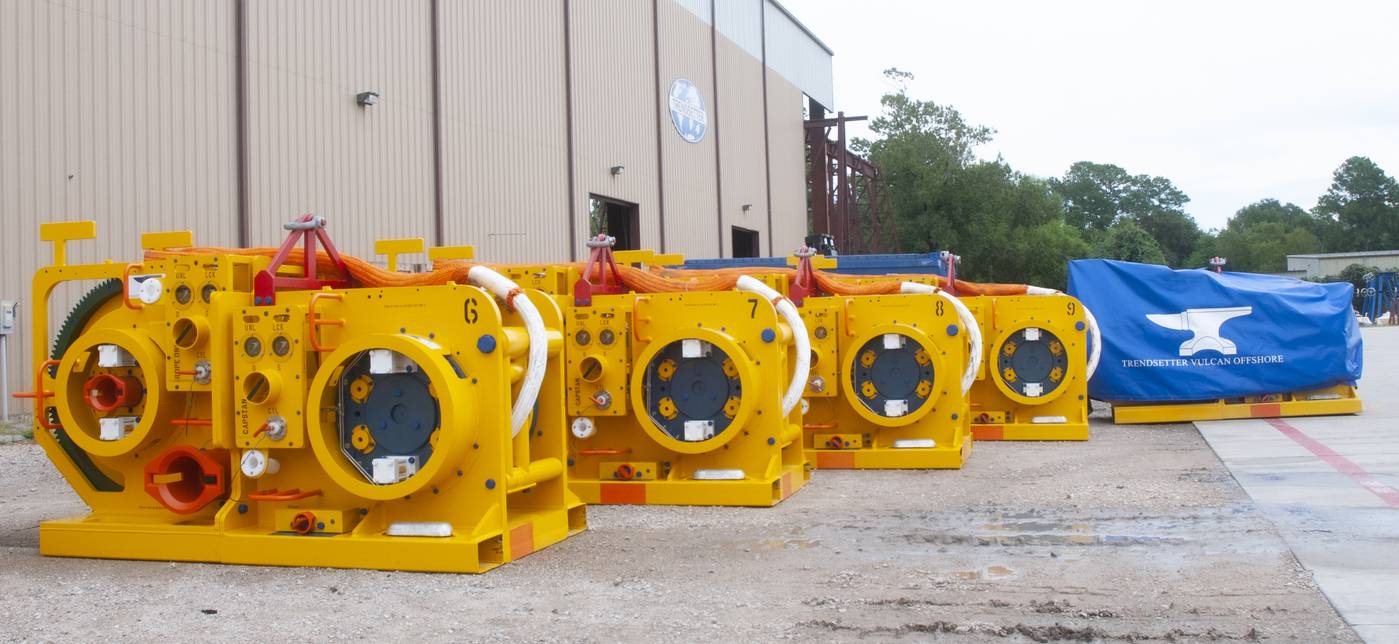
Trendsetter Vulcan Offshore has completed the installation of a tethered blowout preventer system (TBOP) in the Gulf of America to address wellhead fatigue in soft seabed conditions.
The system, based on the company’s Hercules tethered BOP technology, was adapted for a completion project in the Central Gulf of America in water depths of nearly 4,000 feet.
The technology uses four polyethylene-based tethers anchored to suction pile foundations to control blowout preventer stack movement above the wellhead, transferring loads to the seabed and reducing cyclic stress on the well system.
Trendsetter said the system was deployed in response to challenging seabed conditions that could lead to increased fatigue loading on the wellhead.
The Hercules system was originally developed to allow deepwater floaters equipped with dynamic positioning systems to operate safely in shallow water.
According to Trendsetter, the customized system enabled stable operations during critical phases of the well and helped manage fatigue risks in conditions that posed elevated technical challenges.
Agogo FPSO Hosts Offshore Carbon Capture System on Industry First

Yinson Production has started operating a pilot carbon capture and storage (CCS) unit on the Agogo floating production, storage and offloading (FPSO) vessel offshore Angola, which is deemed the world’s first post-combustion CO2 capture plant installed on an offshore facility.
The system has been developed in collaboration with Azule Energy and Norway-based Carbon Circle.
The unit is operating under real production conditions on the Agogo FPSO, which is part of the Agogo Integrated West Hub project in Block 15/06 offshore Angola.

“By integrating carbon capture into an FPSO, we are not only reducing emissions from operations, but also building understanding of how such systems perform offshore,” Yinson Production said.
Yinson Production added the deployment reflects ongoing collaboration with partners to introduce new technologies on operating offshore assets.
VibroJet Technology Cuts Noise in Monopile Installation for Offshore Wind

Van Oord has installed monopile foundations using a combined jetting and vibration method at commercial scale for the first time, aiming to reduce underwater noise during offshore wind construction.
The installation used GBM Works VibroJet technology together with CAPE Holland equipment at the Hollandse Kust West wind farm offshore the Netherlands.
The VibroJet system combines controlled water jets with vibration inside the monopile to fluidize surrounding soil and reduce resistance during installation, allowing piles to sink with lower force.
Van Oord said the method was deployed from its installation vessel Boreas and applied across the project’s monopile installation campaign, with all 52 foundations installed at the site.
According to GBM Works, the system allows precise operational control through its Fluidflow prediction model, which assesses soil behavior and optimizes water jetting performance in varying seabed conditions.
The system was used in dense sand conditions in the Dutch North Sea, where vertical vibration technology helps temporarily reduce soil resistance to enable installation.
Data collected during installation will be used to validate models for underwater sound and pile behavior to support wider adoption of low-noise installation methods.