Energy Ports
Port of Corpus Christi
Port of Corpus Christi: Deep Water, Big Energy, and a Playbook for the Next Era of U.S. Exports
Drive into Corpus Christi and you can feel the paradox that defines many port cities: the waterfront is everywhere, yet the maritime business that powers the place is easy to miss — until you look past the horizon of tanks, docks, and ship traffic and realize you’re staring at one of the world’s most consequential energy gateways.
By Greg Trauthwein
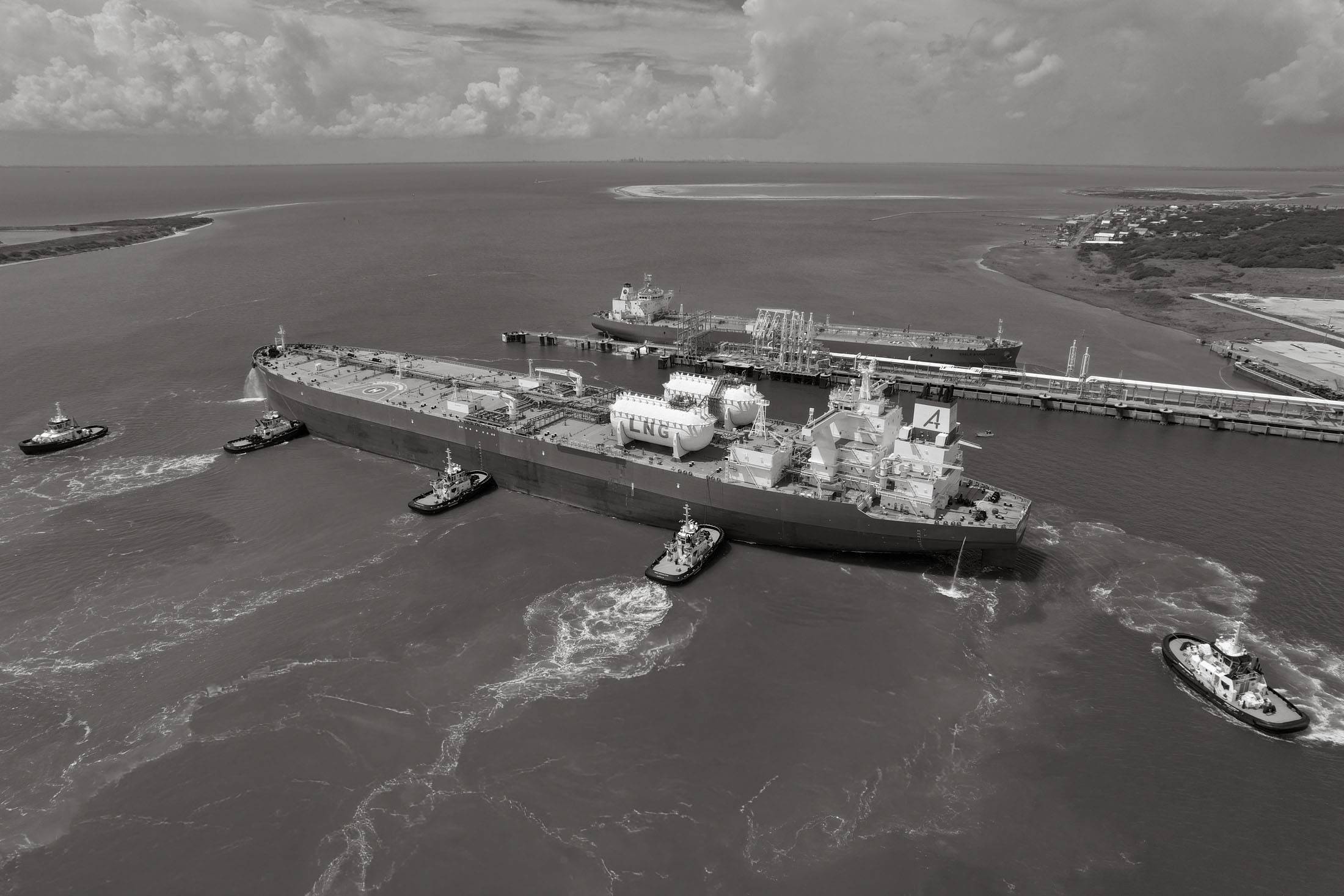
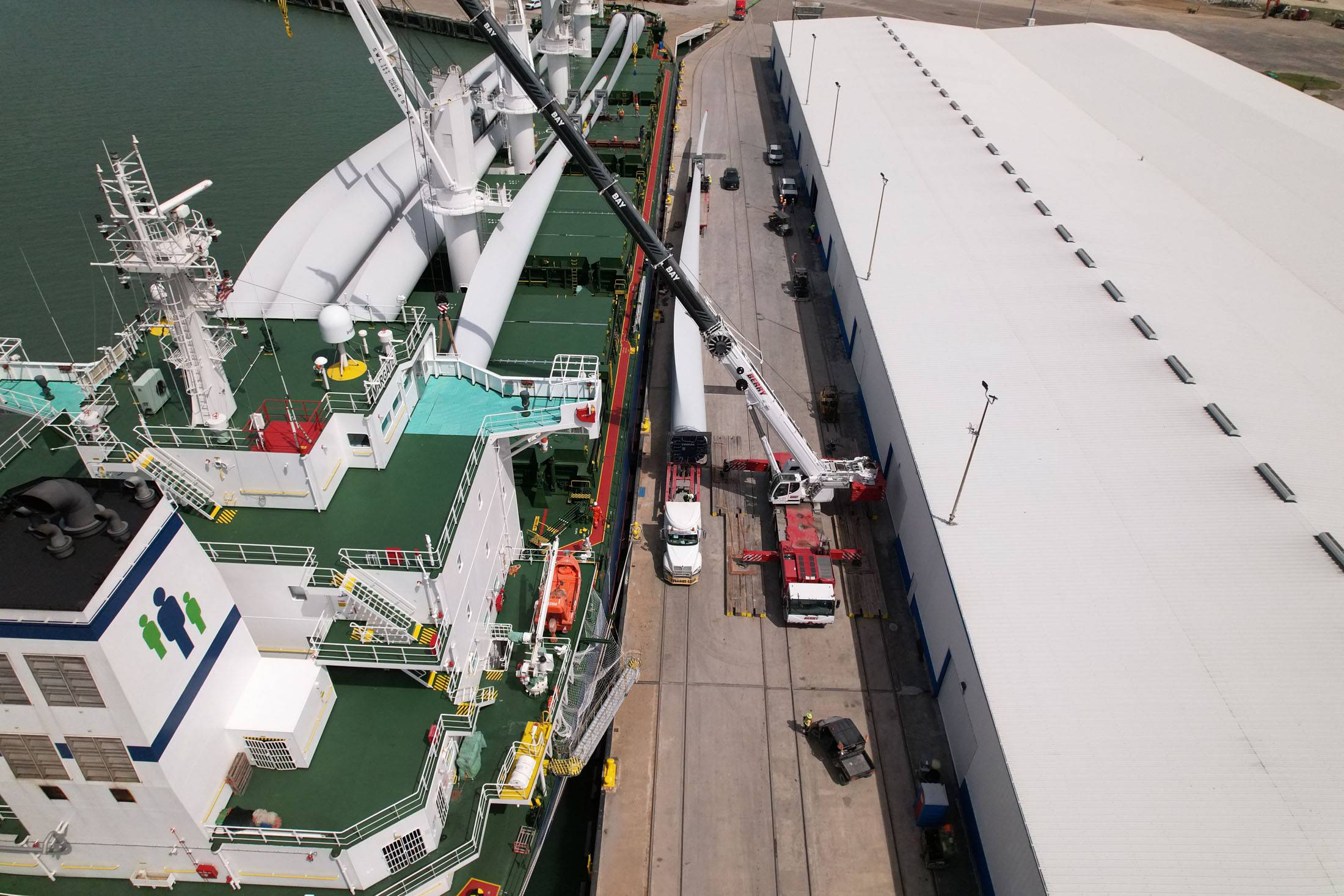
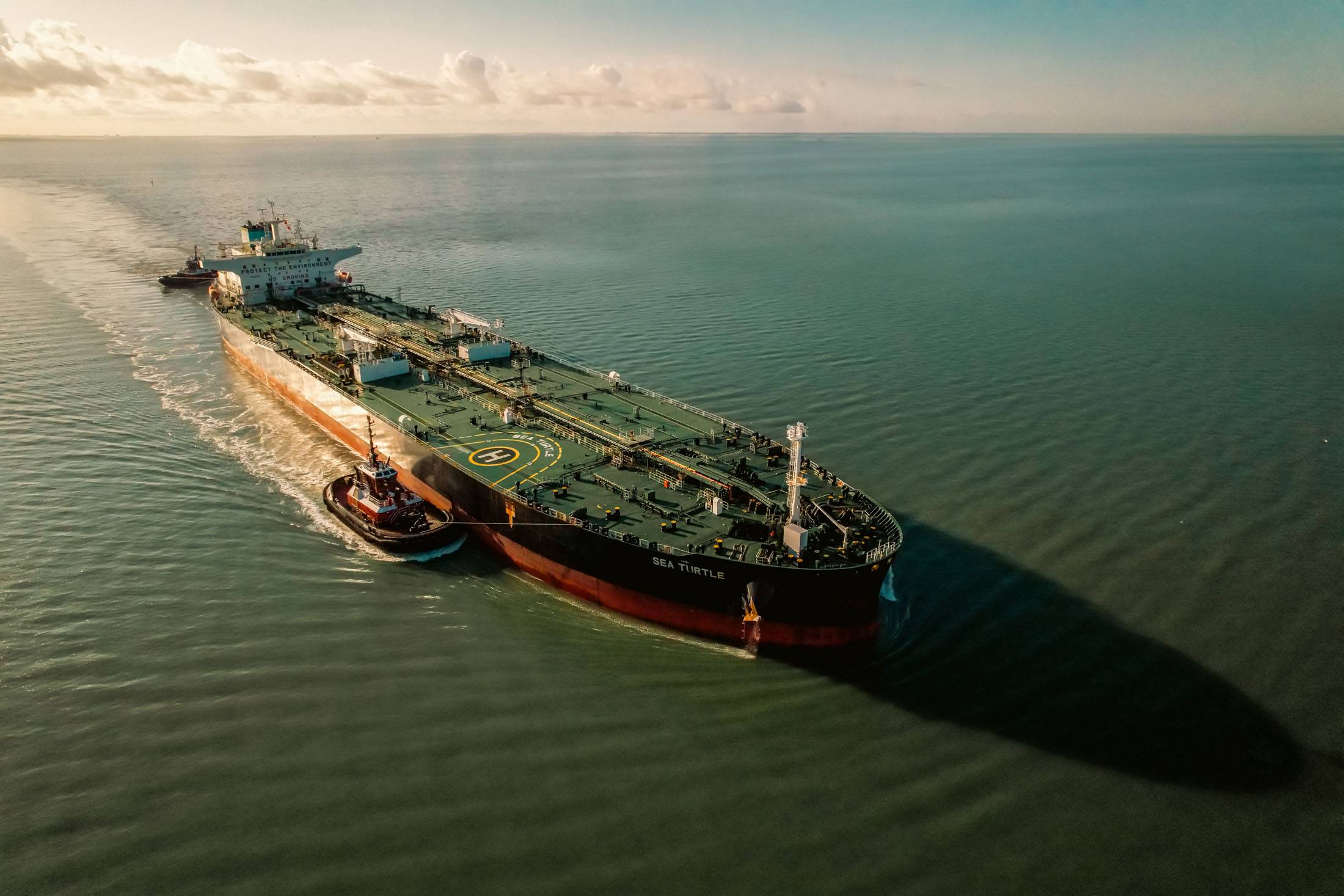
By volume, the Port of Corpus Christi has become a central export valve for U.S. crude oil and a fast-rising platform for LNG—an industrial ecosystem that has grown at a pace few ports can match. In 2025, the Port and its customers moved 203.4 million tons through the Corpus Christi Ship Channel, a 1.5% decline from 2024’s 206.5 million tons, as crude volumes softened modestly even while LNG continued to climb.
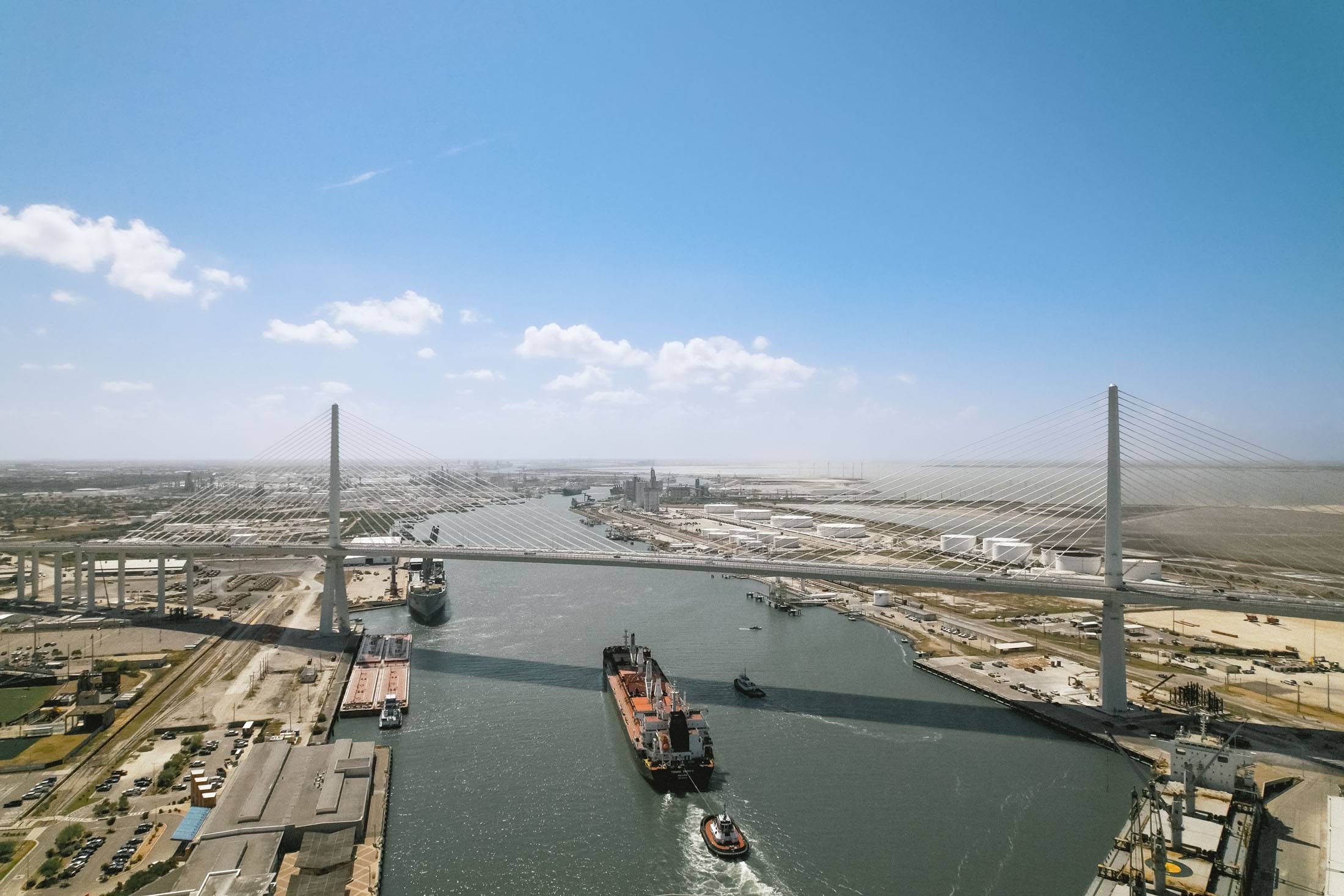
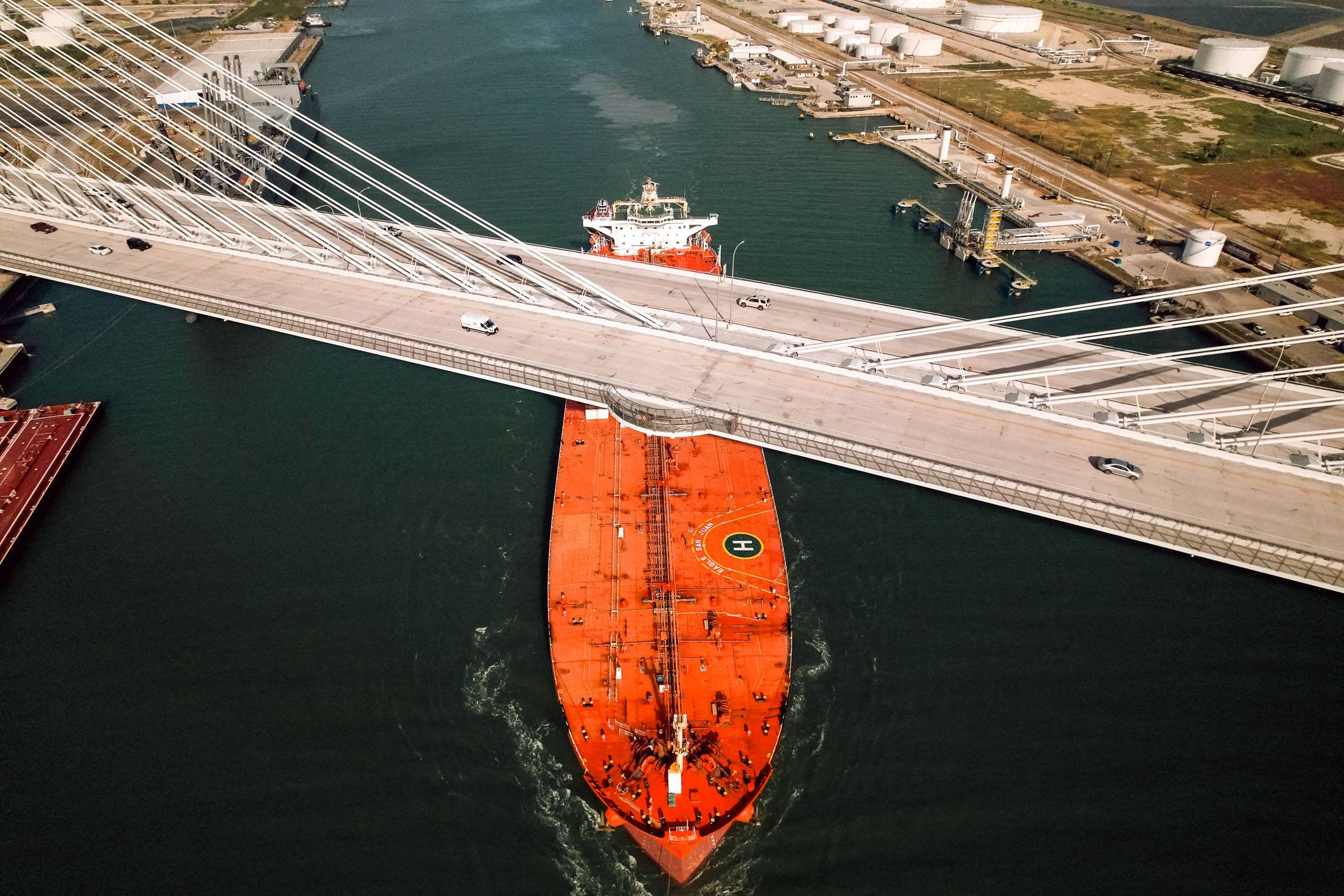
And in the background—quietly shaping everything from vessel size to berth productivity—Corpus Christi completed the kind of infrastructure program that changes a port’s trajectory for decades: the Corpus Christi Ship Channel Improvement Project, deepening the channel from 47 feet to 54 feet (MLLW) and widening it from 400 feet to 530 feet, with additional barge shelves built in for safety and operational fluidity.
For Kent Britton, CEO of the Port of Corpus Christi, the growth is real—but so is the responsibility that comes with being a key node in the energy supply chain.
“People sometimes don’t understand maritime even in port cities,” Britton told me. “So I try to do the same thing in one little speech after another.”
From Industrial Customer to Port CEO
Britton didn’t grow up through the traditional port authority ranks. Nine years ago, he wasn’t “in the port space” at all. His background runs through large industrial manufacturers—Glencore and Alcoa — followed by a move to Corpus Christi where he served as CFO at Sherwin Alumina, a plant with deep roots in the region’s heavy industry.
In other words: Britton arrived as a customer. He understood how industrial operators think about costs, reliability, and throughput — how a few hours saved on a berth window can ripple across a refinery schedule, a pipeline nomination, or a charter party.
He joined the Port of Corpus Christi in 2017 as director of finance — right before Hurricane Harvey — became CFO in 2019, and moved into the CEO role about two and a half years ago. His leadership style reflects that “customer-led” view of port investment: don’t build shiny things to admire; build what improves efficiency and competitiveness for the companies actually moving product.
Image courtesy Klaveness Digital
We're the third largest crude oil export port in the world, and we're the leading crude oil export port in the United States. 60% of the crude oil that gets exported out of the United States flows out of the Port of Corpus Christi; that's about 2.3 million barrels per day.”
- Kent Britton,
CEO of the Port of Corpus Christi
POCC: Punching Above Its Weight
When Britton talks to locals, he leads with a statistic that’s hard to ignore: Corpus Christi is now one of the world’s major crude export gateways. The Port has been widely cited as the largest U.S. crude oil export gateway and among the top crude export ports globally, moving roughly 2.3 million barrels per day in crude exports in recent years.
The tonnage story is equally striking. Over roughly a decade, Corpus Christi’s throughput has climbed from about 85 million tons to more than 200 million tons, driven largely by crude oil exports and supporting energy flows.
Yet the Port authority itself remains relatively lean. Britton puts headcount around 270 employees — a small number, considering the scale of cargo value moving through the channel every day.
And the economic gravity extends well beyond the Port’s payroll. Texas Comptroller reporting has highlighted the Port of Corpus Christi’s role in statewide trade and economic activity, including the Port’s substantial share of Texas seaport trade value.
Britton’s framing goes one step further: this isn’t only an economic story.
“It’s not just an economic driver,” he said. “Think about the energy that we’re supplying around the world… almost exclusively to our allies and trading partners… It’s a matter of national security as well.”


2025 Volumes: A Slight Dip—Driven by Crude
The Port’s 2025 tonnage of 203.4 million tons came in slightly below 2024, and Britton doesn’t sugarcoat how much the crude number drives the narrative. When crude is the dominant commodity, even small percentage moves can swing the whole annual result.
Here’s what the Port reported for 2025:
-
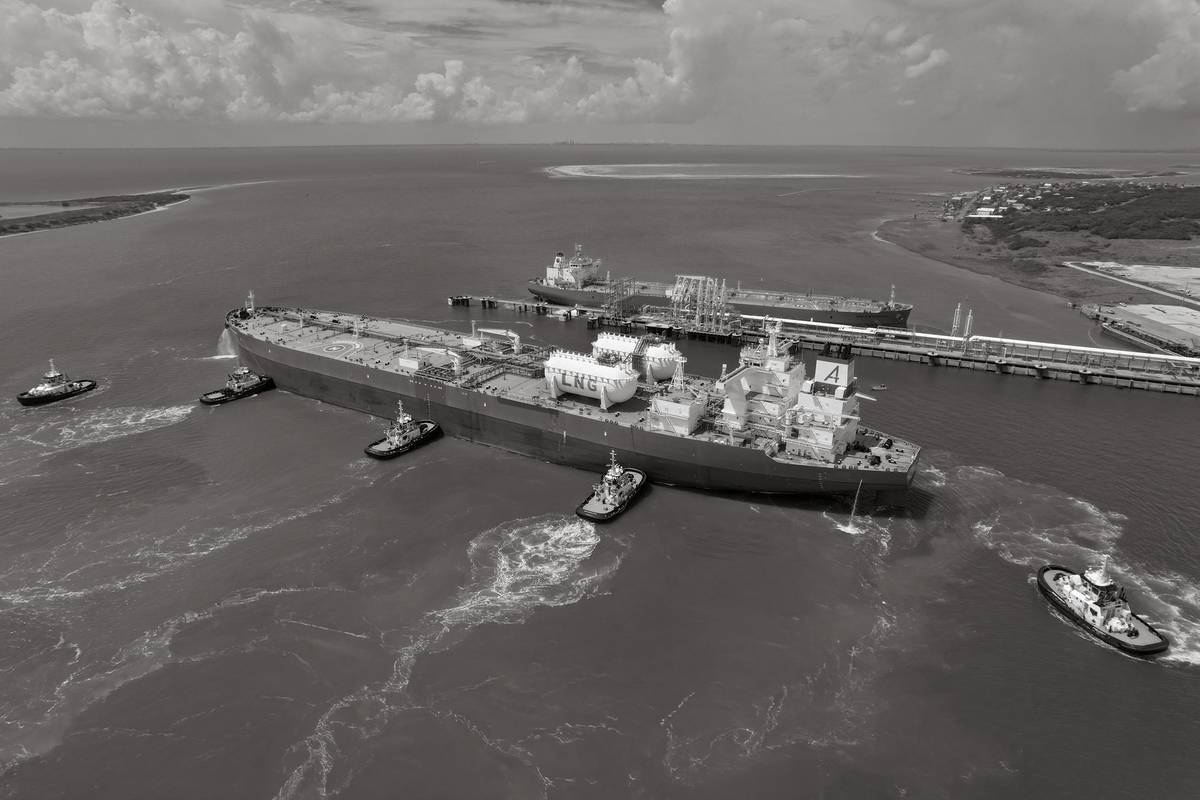
Liquefied natural gas exports rose 15.4% to 18.6 million tons -
Crude oil shipments fell 2.3% to 127.4 million tons -
Dry bulk declined 2.5% -
Agricultural goods fell 54%
In Q4 2025, Port customers moved 50.1 million tons, compared with 54.0 million tons in Q4 2024 (a record quarter). Leading commodities were crude, refined products, and LNG.
Britton’s “behind the numbers” explanation is rooted in the post-2015 U.S. crude export era: the export ban was lifted, shale production expanded, and pipelines converged on Corpus Christi. That surge matured into the 2019–2020 period when major crude pipelines arrived and positioned the gateway for scale.
In the last three years, he characterizes growth as relatively flat—up slightly, up slightly, then down slightly—driven mostly by crude export variability rather than a change in the Port’s underlying capability.
Meanwhile, the LNG runway is clearer. The Port’s LNG story is closely linked to existing and expanding liquefaction capacity, and Port-reported data show LNG tonnage rising meaningfully year over year in 2025.
Image Courtesy Port of Corpus Christi
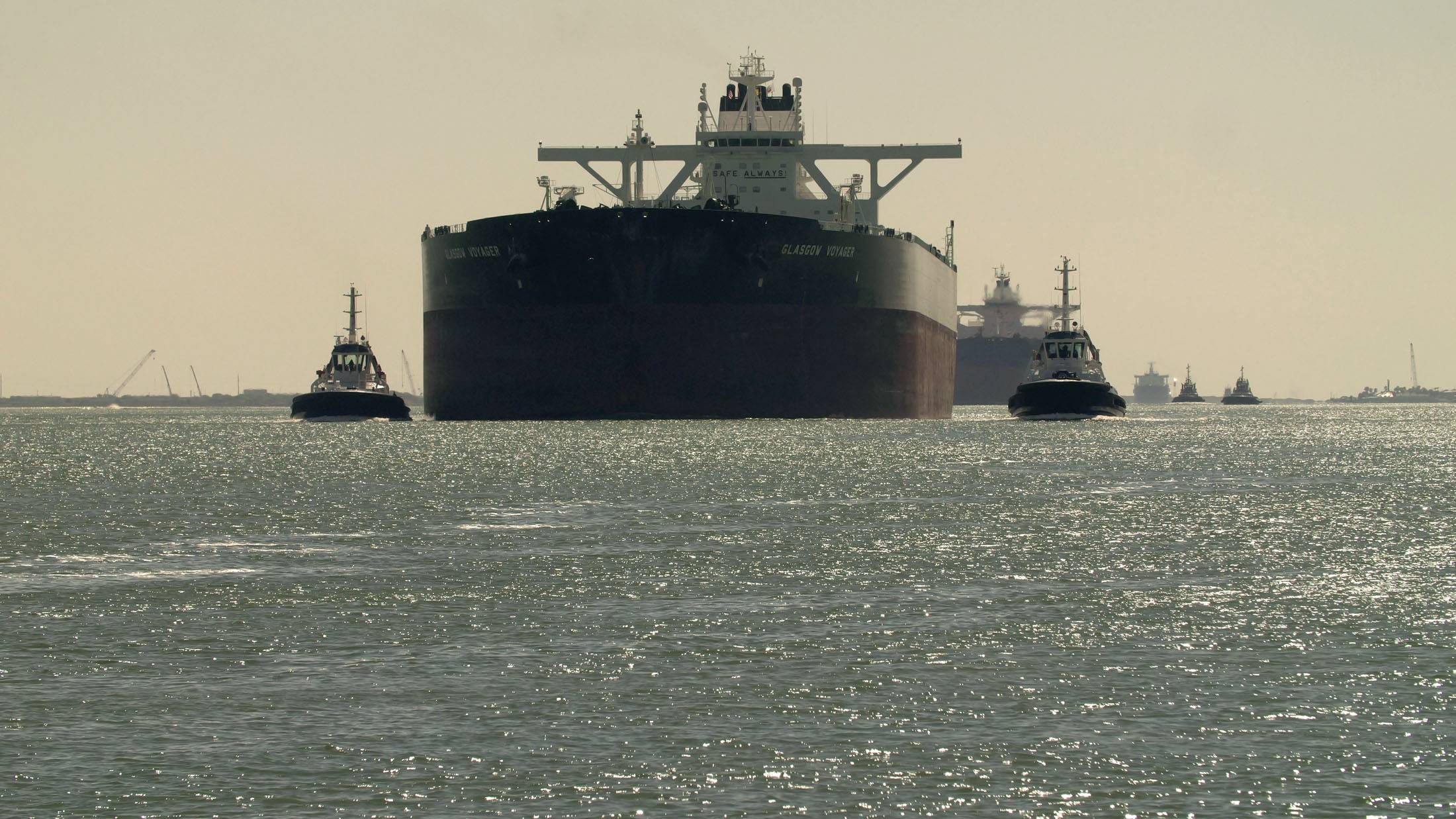
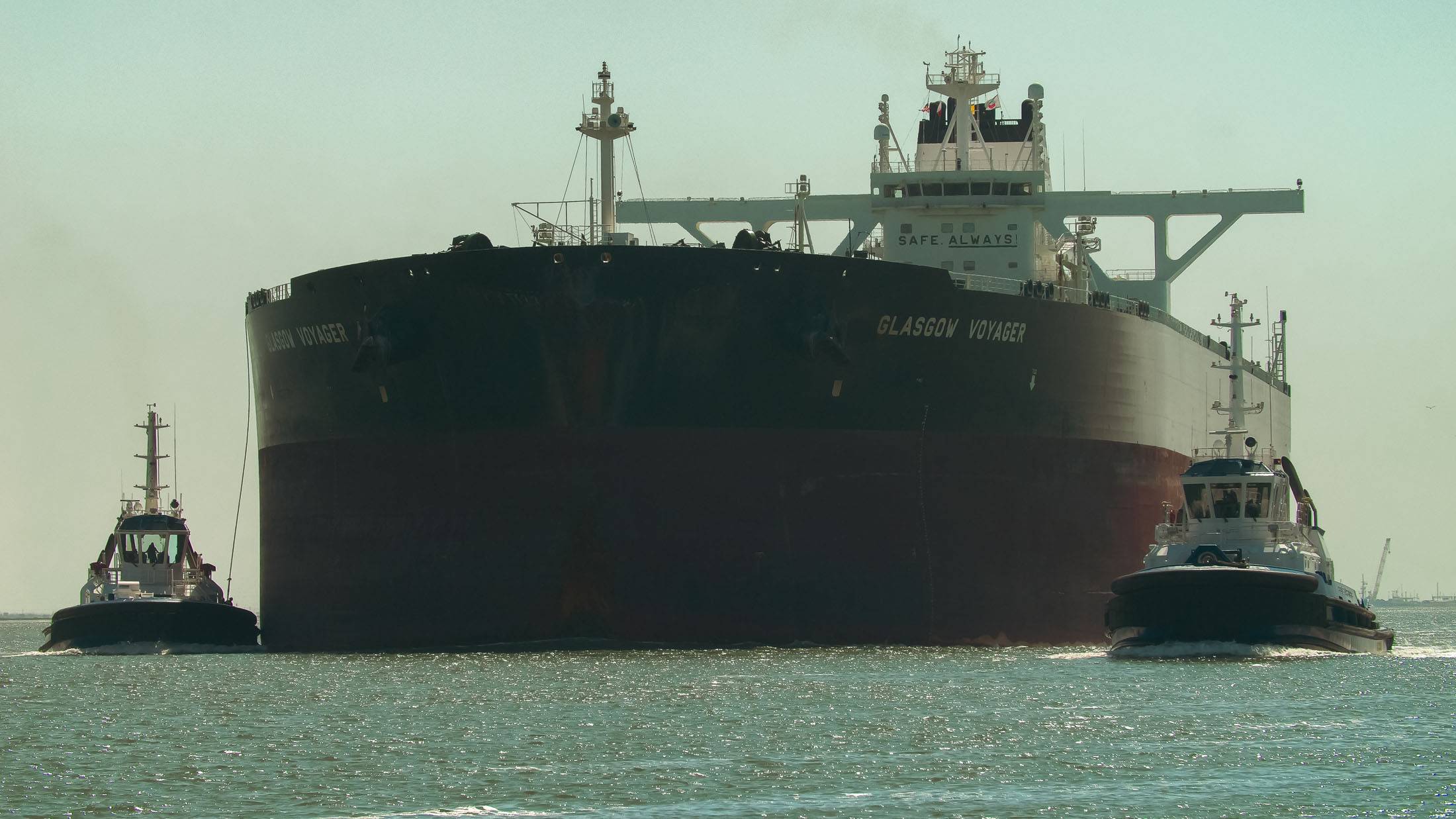
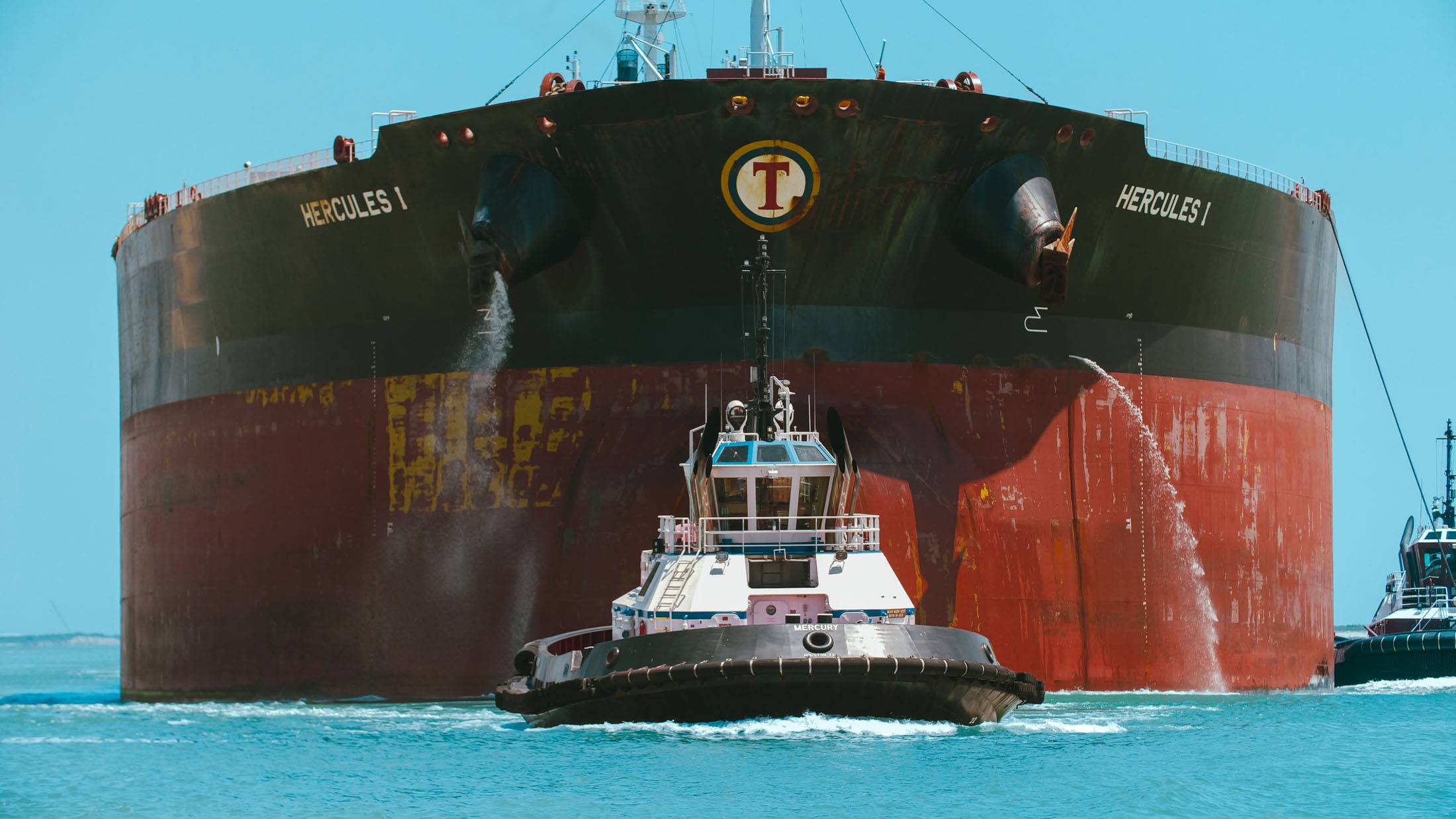
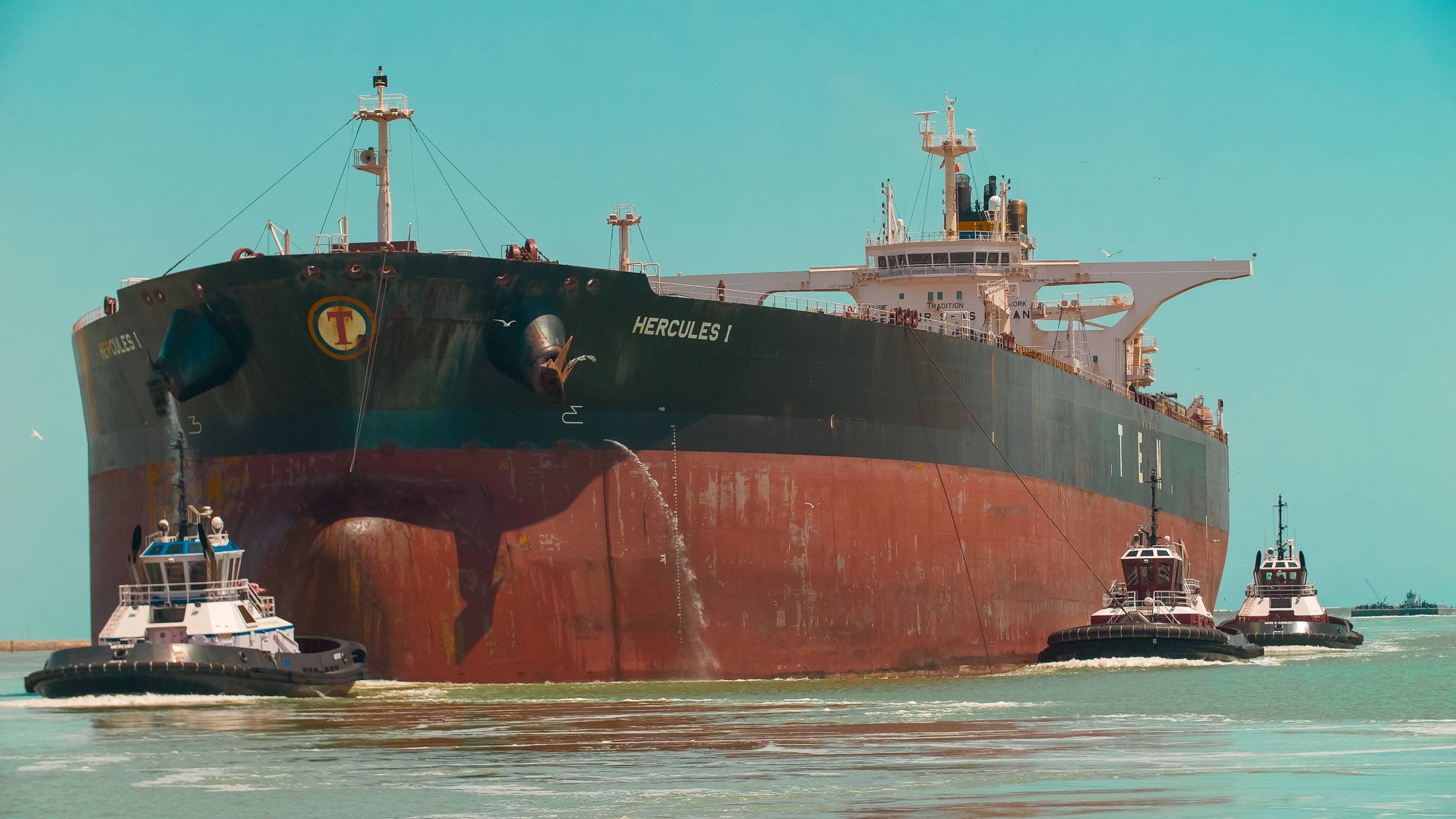
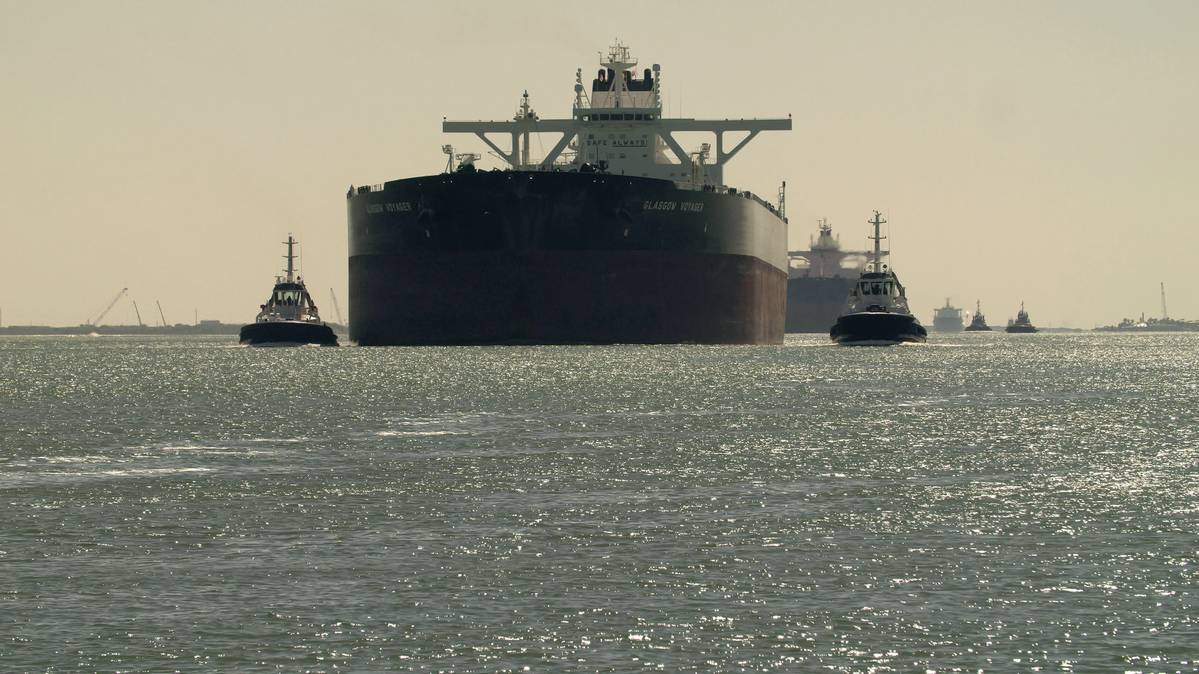
Other than the actual opening of the port a hundred years ago, the ship channel improvement project is the biggest and most important thing we've ever done here. It’s a $600 million project cost shared between us and the federal government that took the depth (of the main ship channel) from 47 feet to 54 feet, and widened it from 400 to 530 feet. Customers can now fully load SuezMax ships, and can more fully load VLCCs. That is a tremendous benefit for our crude oil moving customers.”
- Kent Britton,
CEO of the Port of Corpus Christi speaking at the Ship Channel Completion Event.


“The Biggest Thing We’ve Ever Done”
If you want to understand why Corpus Christi is positioned for the next cycle—whatever oil markets do next—start with dredging, width, and geometry. The channel improvement project is the kind of infrastructure work that’s easy to summarize and hard to execute:
\-
Depth increased from 47 feet to 54 feet (MLLW)
-
Width expanded from 400 feet to 530 feet
-
Barge shelves added for safety and traffic management
USACE and the Port marked completion in mid-2025.
Britton puts the project in historical context: other than the original opening of the Port, it’s the most important capital program the channel has ever seen. And the benefits aren’t theoretical; they show up in cargo economics, vessel loading, and reduced friction in daily operations.
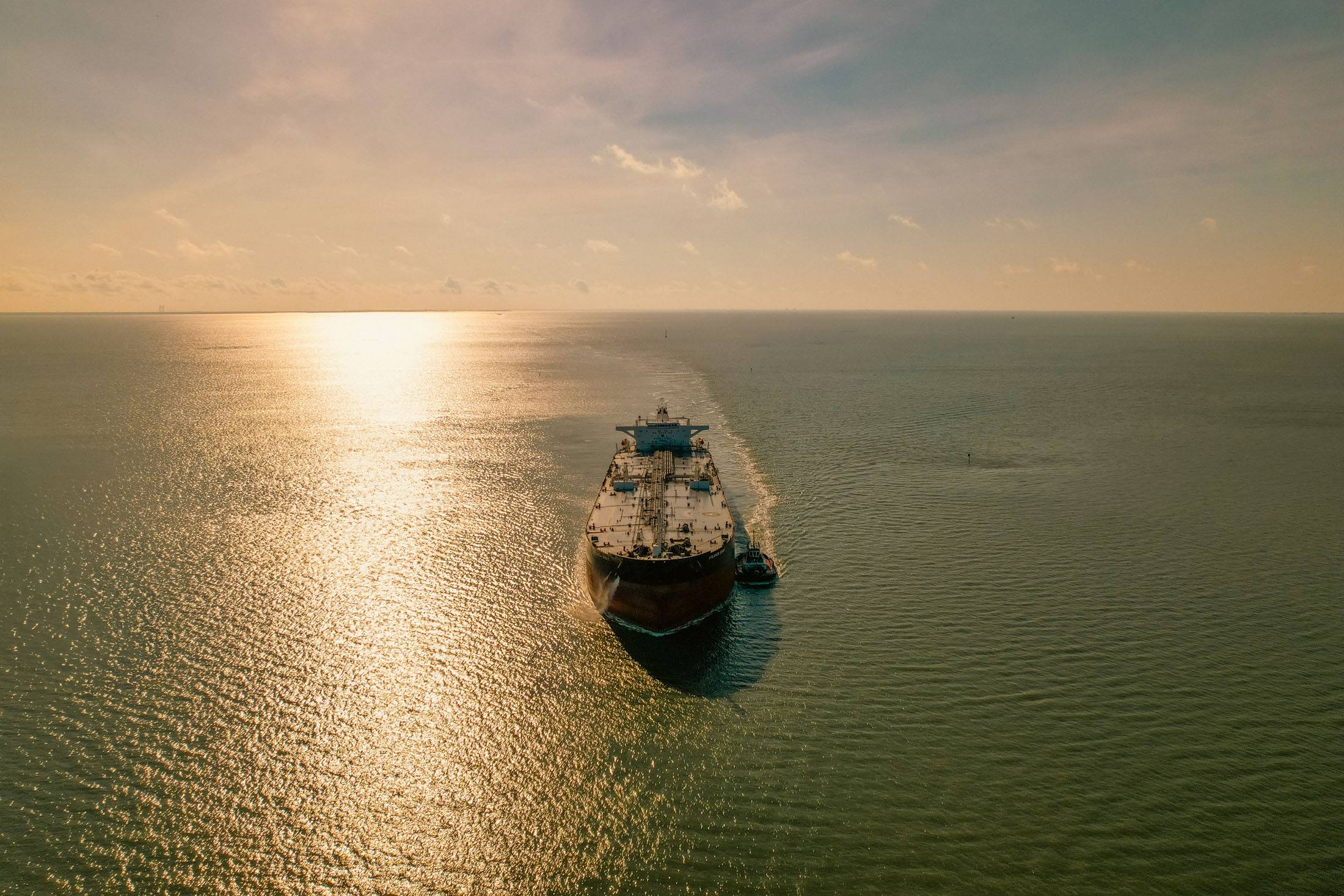
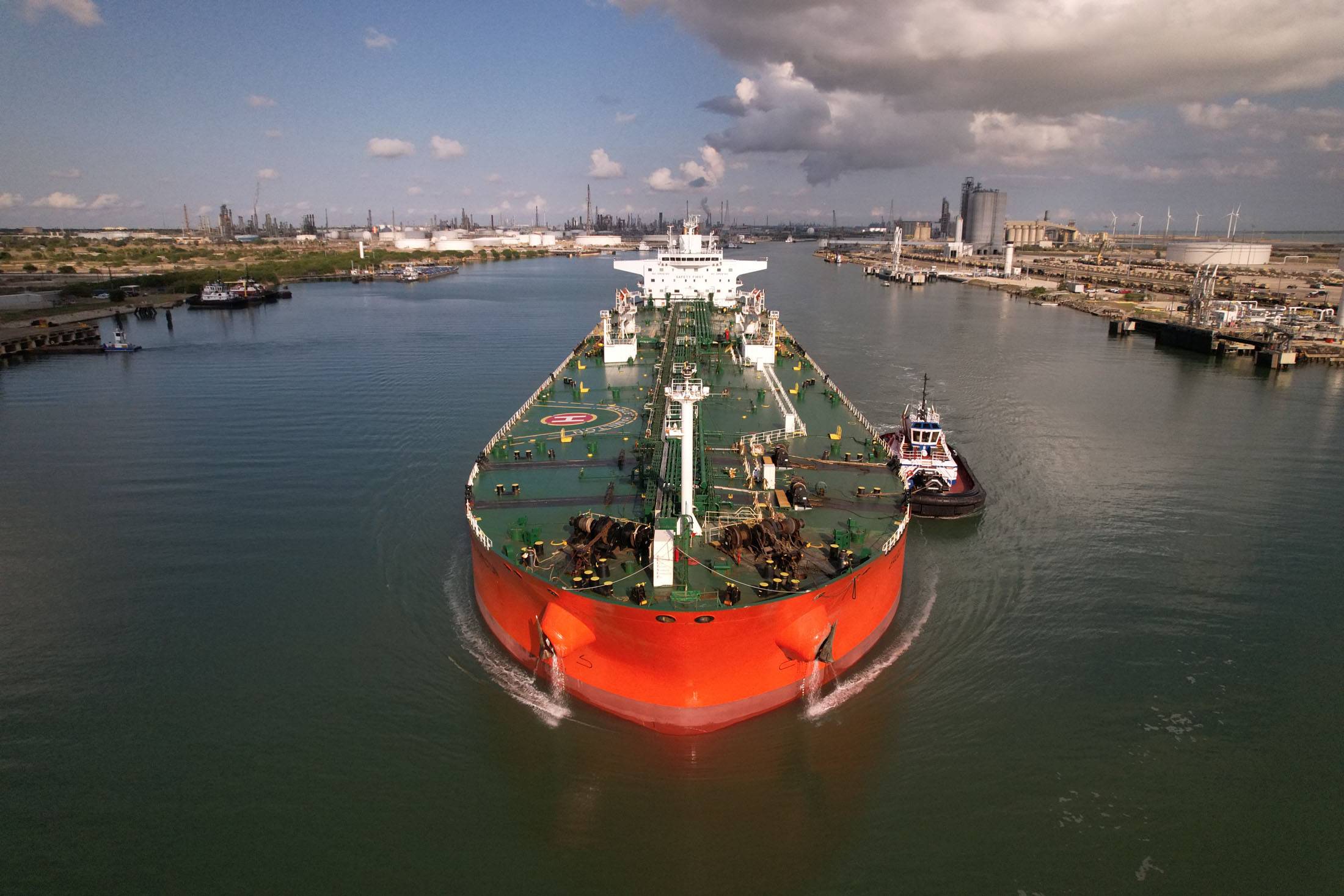
With 54 feet, customers can more fully load larger tankers. Britton explained that the Port can now fully load Suezmax-class tankers and more fully load VLCCs — still not to absolute maximum, but materially higher — reducing the need for inefficient workarounds and improving the competitiveness of the gateway.
The channel isn’t just deeper, it’s more efficient. Britton points to a telling indicator: more crude moved with fewer ships, reflecting improved transit fluidity and less congestion.
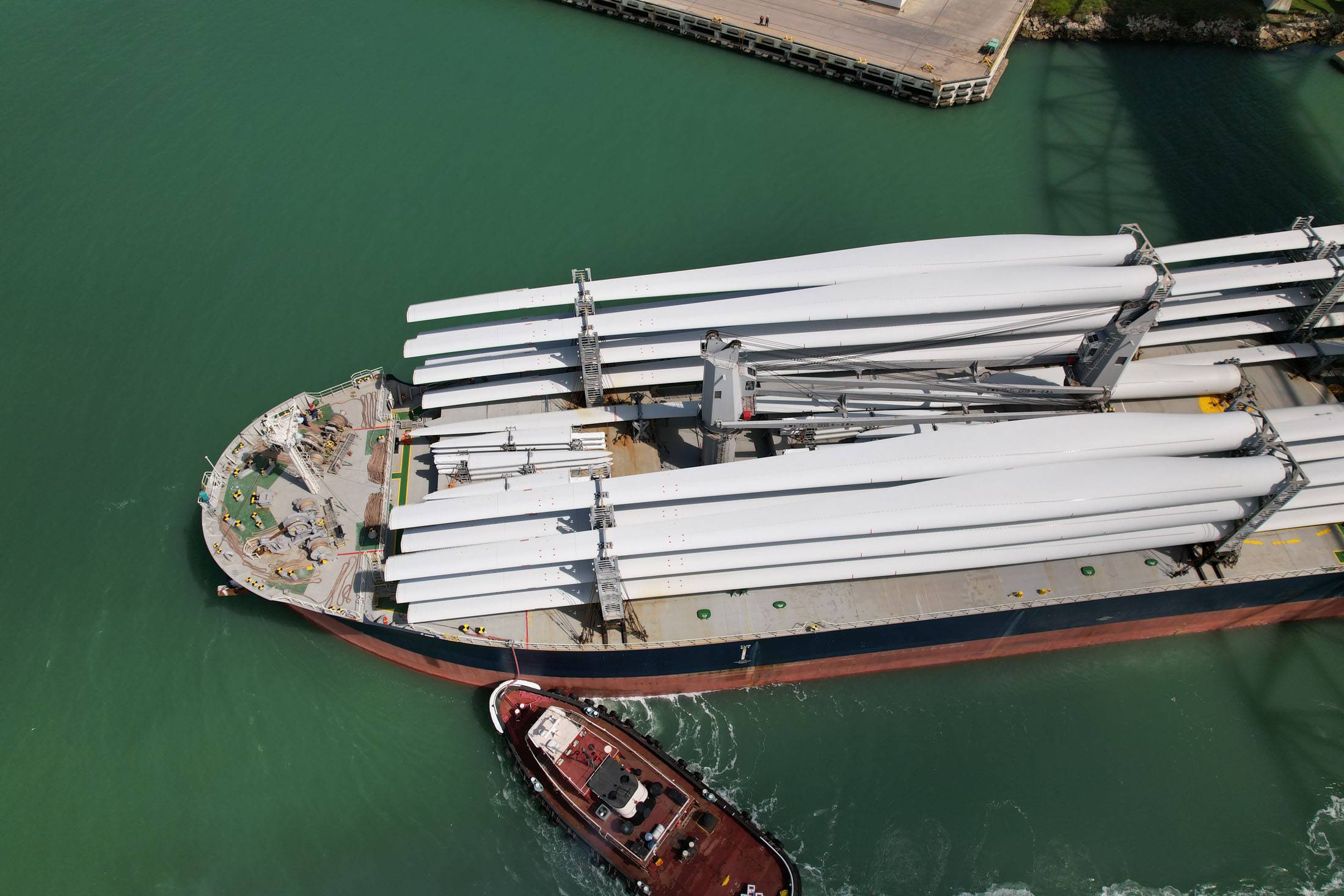
And with capability comes optionality. With improved navigation infrastructure, the Port can credibly evaluate cargo and vessel classes that previously sat outside its sweet spot — container services, cruise calls, and additional industrial flows — while still being anchored in energy.
Capital Priorities: Customer-Led and Focused on Throughput
After you complete a generational channel project, the next question is always: what’s next?
Britton’s answer is practical and disciplined. Corpus Christi is a landlord port — its customers operate the terminals — and the Port authority’s job is to provide the infrastructure and waterway reliability that makes those operators more productive.
So the metrics that matter aren’t abstract port KPIs; they’re operational outcomes:
-
Reduced dwell time in the overall transit
-
Faster turns at berth
-
Less demurrage from waiting offshore
-
More vessel calls handled per dock per year (through productivity and reliability)
Britton’s “customer-led” approach means the Port watches for clear demand signals before committing major capital — particularly for projects that would be difficult to repurpose. That conservative posture doesn’t mean slow; it means intentional.
Looking out five to ten years, he sees priorities like dock upgrades (to fully “commercialize” the deeper channel), potential rail improvements and yard capacity, and the possibility of a new turning basin to handle longer vessels that can now enter the channel but may not be able to turn efficiently in the inner harbor without additional geometry.
Image Courtesy Port of Corpus Christi
[Clients of the port] all want the same thing. They want ease in and out of the waterway, quick time to their dock, as little time on their dock as possible, and then getting back out of here because shipping is incredibly expensive right now. We heard numbers to the tune of $13 million to charter a VLCC, for example, from here going to the far east. That's an astronomical number. So quick in, efficient loading, quick out is important to them.”
- Kent Britton,
CEO of the Port of Corpus Christi
Funding Resilience: Grants as Accelerant, Not Oxygen
Ports love grants, but ports also know grants can disappear.
Britton’s view: build a capital plan that remains viable without state or federal funding, and treat grants as accelerant — helping projects move faster or be built more robustly.
Corpus Christi has funded major work through a mix of user fees (including fees tied to the energy volumes moving through the system) and access to bond markets. The point isn’t the instrument; it’s maintaining the ability to execute even when funding cycles tighten.
Automation and AI: A “Force Multiplier”
When people talk “port automation,” they often jump straight to container terminals — automated stacking cranes, autonomous yard tractors, AI-optimized gate appointment systems.
Corpus Christi doesn’t operate a container terminal, but Britton is clear-eyed about where automation can matter for a landlord port: use technology to make the waterway more reliable, predictable, and efficient.
That includes:
-
Tools that reduce fog-related delays (Britton cites roughly 30+ fog delay days per year)
-
Better coordination among the many parties involved in a vessel movement: pilots, tugs, agents, line handlers, Coast Guard, harbormaster
-
Back-office automation to keep the Port authority itself lean and responsive
The most intriguing thread is predictive analytics—particularly around shoaling and dredging cycles. If you can use sensor data and models to forecast where shoaling will occur and how fast, you can prioritize dredging resources more efficiently and reduce the risk of operational constraints emerging unexpectedly.
Britton described the Port’s push toward a digital twin—a model that can integrate weather, resilience, shoaling, and operational data into a decision-support layer. For a gateway moving energy cargo at scale, shaving uncertainty is often as valuable as shaving minutes.
Environment, Resilience, and the Reality of the Gulf Coast
Corpus Christi sits in a hurricane zone and operates in a regulatory environment where air quality, water quality, and habitat are not optional considerations.
Britton rejects the idea that doing things “the right way” environmentally must be in conflict with competitiveness. In his view, strong standards and smart planning reduce risk, protect the community, and help sustain the operating license that ports ultimately depend on.
Resilience also has an operational dimension: if the Port can anticipate disruptions and plan maintenance and capital improvements proactively, it becomes a more dependable link in global supply chains—especially in energy, where reliability translates to strategic value.


Measuring Success
Britton’s definition of success is both operational and strategic:
-
Fully commercialize the deeper channel by upgrading docks and associated infrastructure so customers can consistently capture the benefits of 54 feet.
-
Attract new business that diversifies the portfolio—without losing focus on what the Port does best.
-
Keep existing customers moving faster and cheaper, reducing friction that costs real money at today’s charter and demurrage rates.
-
Build the systems and maintenance discipline to make infrastructure last not just decades, but a century.
That last point is easy to overlook. Growth makes headlines. But ports, at their best, are built for longevity—assets maintained, modernized, and made resilient enough to serve industries that will evolve in ways nobody can perfectly predict.
In Corpus Christi, the channel is deeper, the pathway is wider, and the Port has positioned itself to be more than a beneficiary of the last decade’s energy boom. The next chapter will be written in how well it converts that new waterway capability into sustained industrial competitiveness—through disciplined capital, smart technology, and a relentless focus on the customers who turn a ship channel into an engine of national economic and strategic power.
If you want a simple takeaway, Britton offered it in his own way: stay in the lane—or, in Corpus Christi terms, stay in the channel—and make the channel the best, safest, most efficient route possible. Because when you do that at scale, everything else follows.