Washington Watch
NOIA
Project Certainty, Not Politics, Should Shape America’s Offshore Future
America’s offshore energy future does not hinge on ideology. It hinges on certainty. From oil and natural gas to offshore wind, carbon capture, subsea minerals, and emerging ocean technologies, offshore energy projects are among the most complex and capital-intensive investments in the U.S. economy. They require years of planning, billions of dollars in upfront capital, and a stable regulatory environment that allows projects to move from concept to construction to operation. When that certainty breaks down, investment stalls, workers are left in limbo, and America’s competitive edge erodes.
By Erik Milito, President, National Ocean Industries Association (NOIA)
That challenge is quantifiable. According to McKinsey & Company, an estimated $1.1 to $1.5 trillion in infrastructure investment is currently in the federal permitting process. More than 650 projects are listed on the Federal Permitting Dashboard awaiting approval, and long-duration projects routinely spend four to five years navigating the system. For offshore energy projects operating on multi-decade timelines, that uncertainty carries real economic and strategic consequences.
These realities were front and center at the Senate Environment and Public Works Committee’s January 28 hearing on permitting reform, where lawmakers from both parties acknowledged a fundamental problem: the current federal permitting system too often fails to deliver timely, durable decisions for major energy and infrastructure projects. While differences remain over policy and process, there was clear bipartisan agreement that predictability and finality are essential if the United States expects to build at scale.
The House of Representatives has already taken action. In December, it passed the Standardizing Permitting and Expediting Economic Development (SPEED) Act, a comprehensive update to the National Environmental Policy Act designed to bring structure, transparency, and accountability to federal permitting. The bill does not weaken environmental protections. Instead, it establishes clear timelines, improves interagency coordination, and reduces duplicative reviews that delay projects without improving environmental outcomes.
The SPEED Act is part of a broader effort in Congress to restore confidence in the permitting system. Additional bipartisan and bicameral proposals, including the recently introduced Fighting for Reliable Energy and Ending Doubt for Open Markets (FREEDOM) Act, reflect growing recognition that regulatory delay has become a policy outcome in itself. The FREEDOM Act focuses on enforceable permitting deadlines, protections for fully permitted projects, expedited judicial review, and mechanisms to reduce investment risk caused by agency inaction.
At the same time, recent actions by the executive branch demonstrate that permitting modernization is not limited to Capitol Hill. In January, the National Oceanic and Atmospheric Administration finalized revisions to its regulations under the Deep Seabed Hard Mineral Resources Act, creating a consolidated application process for seabed mineral exploration licenses and commercial recovery permits. This streamlined approach allows qualified applicants to pursue exploration and development through a single, coordinated review, reducing unnecessary delay while maintaining environmental oversight.
Together, these efforts underscore a shared understanding: certainty is essential to sustaining long-term investment.
This is not a partisan argument. It is an economic and strategic one.
Global Competitiveness and the Cost of Uncertainty
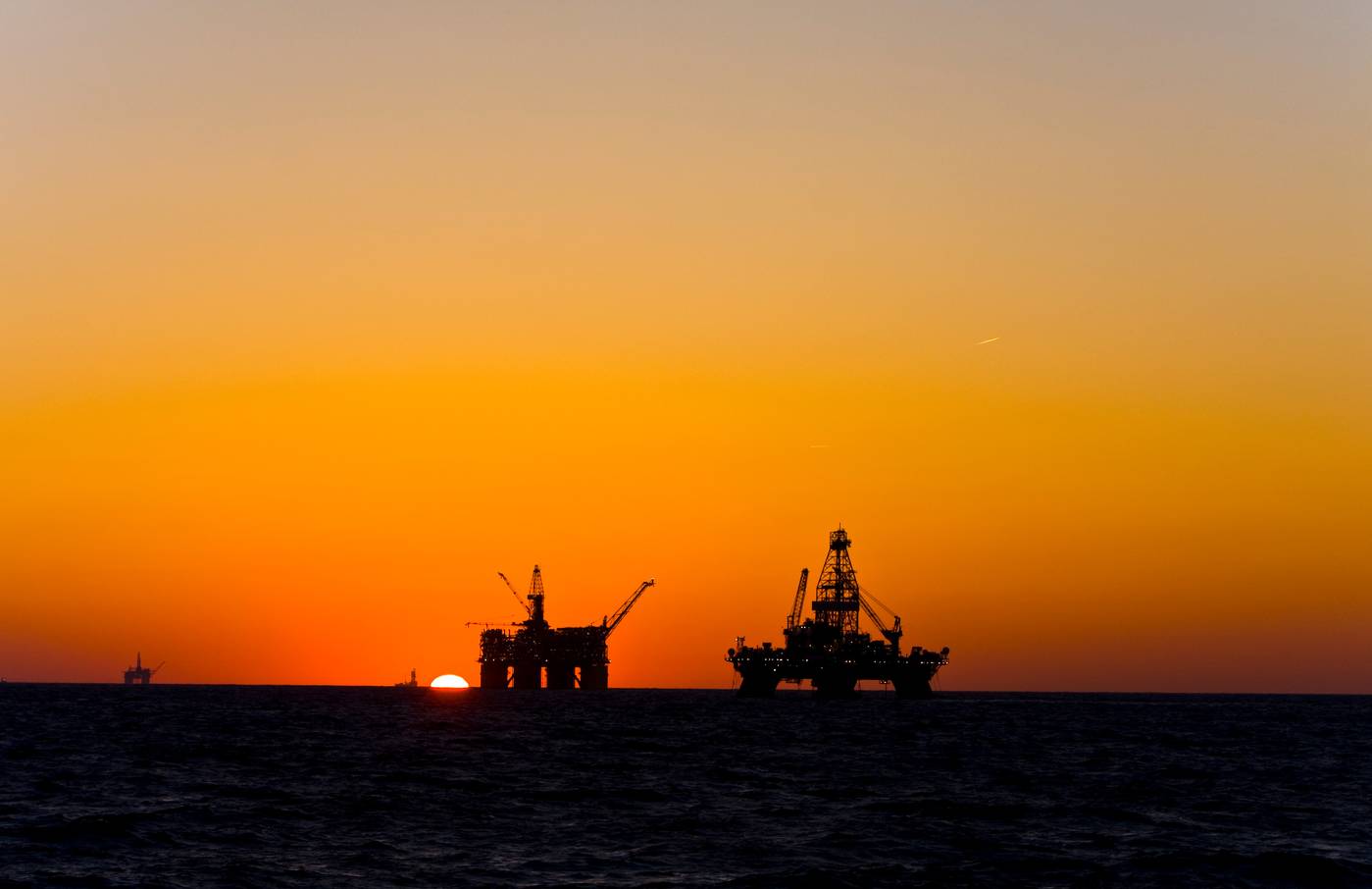
Offshore energy projects operate on 20- to 30-year timelines. Companies commit capital long before the first vessel mobilizes or structure is installed. Those decisions depend on predictable access to federal leases, coordinated agency reviews, and the assurance that once permits are secured, projects can move forward. When permitting becomes open-ended or reversible, capital migrates elsewhere.
Competing offshore regions, from Brazil to Guyana to the North Sea, actively market regulatory stability as a competitive advantage. The United States should not be signaling the opposite.
The consequences are tangible. Offshore energy supports hundreds of thousands of high-paying jobs across the country, sustains ports and shipyards, and anchors a sophisticated domestic supply chain that includes manufacturers, vessel operators, technology developers, and service providers. These jobs and investments depend on steady project pipelines, not stop-and-start policy cycles.
Project certainty also underpins innovation. Offshore energy continues to advance through improvements in subsea systems, digital monitoring, autonomous operations, and emissions-reduction technologies. These innovations are deployed, tested, and refined through active projects. Delays and uncertainty slow that progress and weaken America’s leadership in offshore technology.
That is where legislative efforts like the SPEED Act, alongside complementary proposals such as the FREEDOM Act, play an important role. Together, they reflect a growing consensus that permitting should deliver timely decisions, clear outcomes, and finality at the end of the process. Early stakeholder engagement, transparency, and accountability benefit regulators, communities, workers, and developers alike.
For offshore energy, the stakes are especially high. America’s oceans are a strategic asset, capable of supporting domestic energy and mineral production, strengthening supply chains, reducing reliance on imports, and supporting allies abroad. Offshore oil and gas, offshore wind, ocean mineral exploration, and other emerging ocean technologies are not competing interests; they are interconnected components of a broader offshore energy ecosystem.
As the Senate considers its path forward, permitting reform cannot become another casualty of political friction. Lawmakers have a real opportunity to deliver a durable framework that restores confidence in America’s ability to build.
If America wants to shape its offshore energy future, certainty must come first.
About the Author
Erik Milito
Erik Milito is president of the National Ocean Industries Association (NOIA), which represents more than 140 companies across the American offshore energy sector, including oil and gas, offshore wind, critical minerals, carbon sequestration, and other emerging ocean industries.
 ©National Ocean Industries Association