Drilling
Managing Downhole Vibration
From Reactive to Proactive: Managing Downhole Vibration in Complex Wells
As offshore wells grow deeper, hotter and mechanically more complex, drilling systems are operating closer to their structural limits than ever before. In this environment, torque, drag and vibration are no longer secondary technical considerations - they are central to performance, reliability and well economics. Recognizing the increasing operational and economic impact of downhole vibration, Neo Oiltools was founded in Luxembourg in October 2014 to develop a dedicated torque management solution.
By Amir Garanovic, Managing Editor at Offshore Engineer
Neo Oiltools’ downhole torque management tool, Neotork, manages torque generated by the drill bit while mitigating all four types of vibrations that can be encountered, protecting critical downhole equipment. According to the company, the tool’s simple, unique design automatically controls downhole torque. When torque exceeds a preset limit, the tool contracts to reduce the bit depth of cut. The excess torque stored in the system is slowly released as the drilling structure drills off.
In an interview for Offshore Engineer, Guy Feasey, Global Business & Operations Advisor at Neo Oiltools, said that addressing torque at source is becoming increasingly important as well designs push operational boundaries.
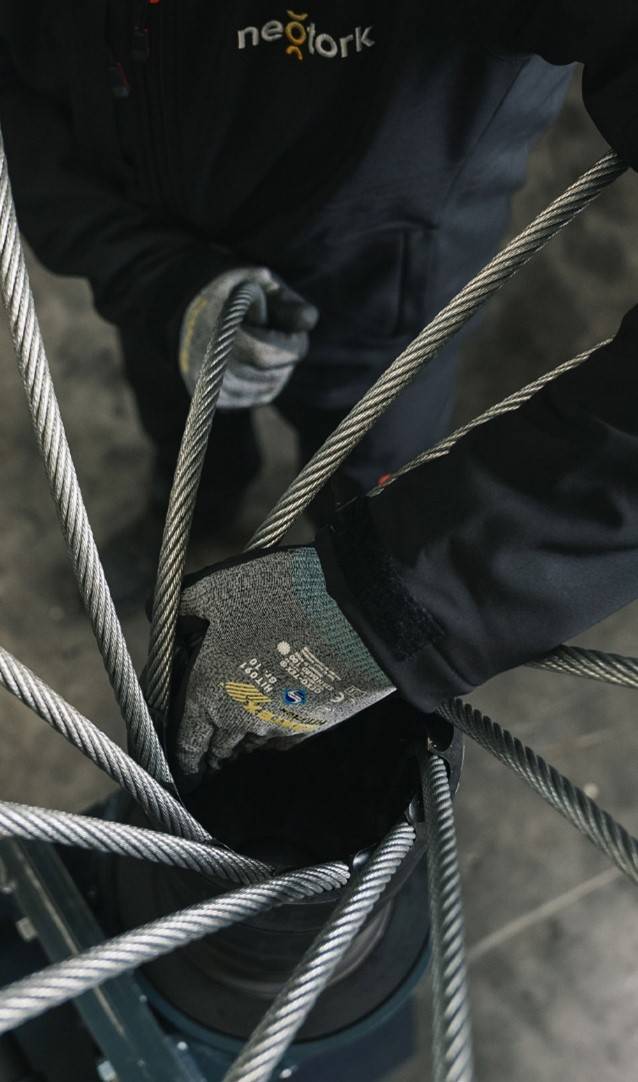
“Offshore operators increasingly face a critical challenge. Downhole vibration, once an acceptable byproduct of drilling, is now a focus of drilling optimization experts searching for any root cause impacting drilling performance, project economics, and equipment reliability,” said Feasey.
According to Feasey, the shift is driven by the evolution of well architecture. Extended-reach wells, high-pressure/high-temperature developments and aggressive directional trajectories are placing bottomhole assemblies (BHAs) under greater mechanical and thermal stress.
“These conditions have repercussions, creating a complex interplay of tri-axial vibrations created at the interface between the rock and bit, that coalesce into nodes of damaging dysfunction that lead to excessive tool wear, erratic rates of penetration (ROP), and unplanned trips, which undermine efficiency and inflate well costs,” he added.
As laterals extend and geometries tighten, torque, drag and friction intensify. In mature offshore basins, where reservoirs are compartmentalized and wellbores closely spaced, drilling often requires sharper build-and-turn sections and narrower operating windows.
“Working within these geometries in exacting downhole environments increases the range of vibration-triggering events that impact the drilling schedule,” Feasey pointed out.
From Surface Adjustments to Downhole Control
Historically, vibration mitigation relied on adjusting surface drilling parameters such as weight-on-bit (WOB) and RPM. But with operators facing strict cost and scheduling constraints, reactive adjustments offer limited protection against nonproductive time.
“Identifying the cause of the vibration in real time allows drillers to proactively adjust operations so drilling can progress and wear on equipment can be reduced,” said Feasey.
Today, Feasey explains, tools placed within the BHA are being used to suppress, dampen, isolate or alter vibration energy before it escalates. This allows drillers to apply more aggressive designs and drilling practices without increasing vibration magnitude to a level that compromises reliability.
The economic stakes, as Feasey claims, are considerable.
“Deepwater drill ships are commanding day rates around USD $500,000. For a well with a base drilling schedule of 80 rig-days, that equates to roughly USD $40 million in rig cost alone,” he said.
If vibration-related issues extend a program by just five days, incremental rig cost could reach USD $2.5 million. When services, consumables, additional runs and logistics are factored in, total additional well cost can easily double. Across multi-well campaigns, the financial impact becomes material.
Case Study: Bay of Thailand
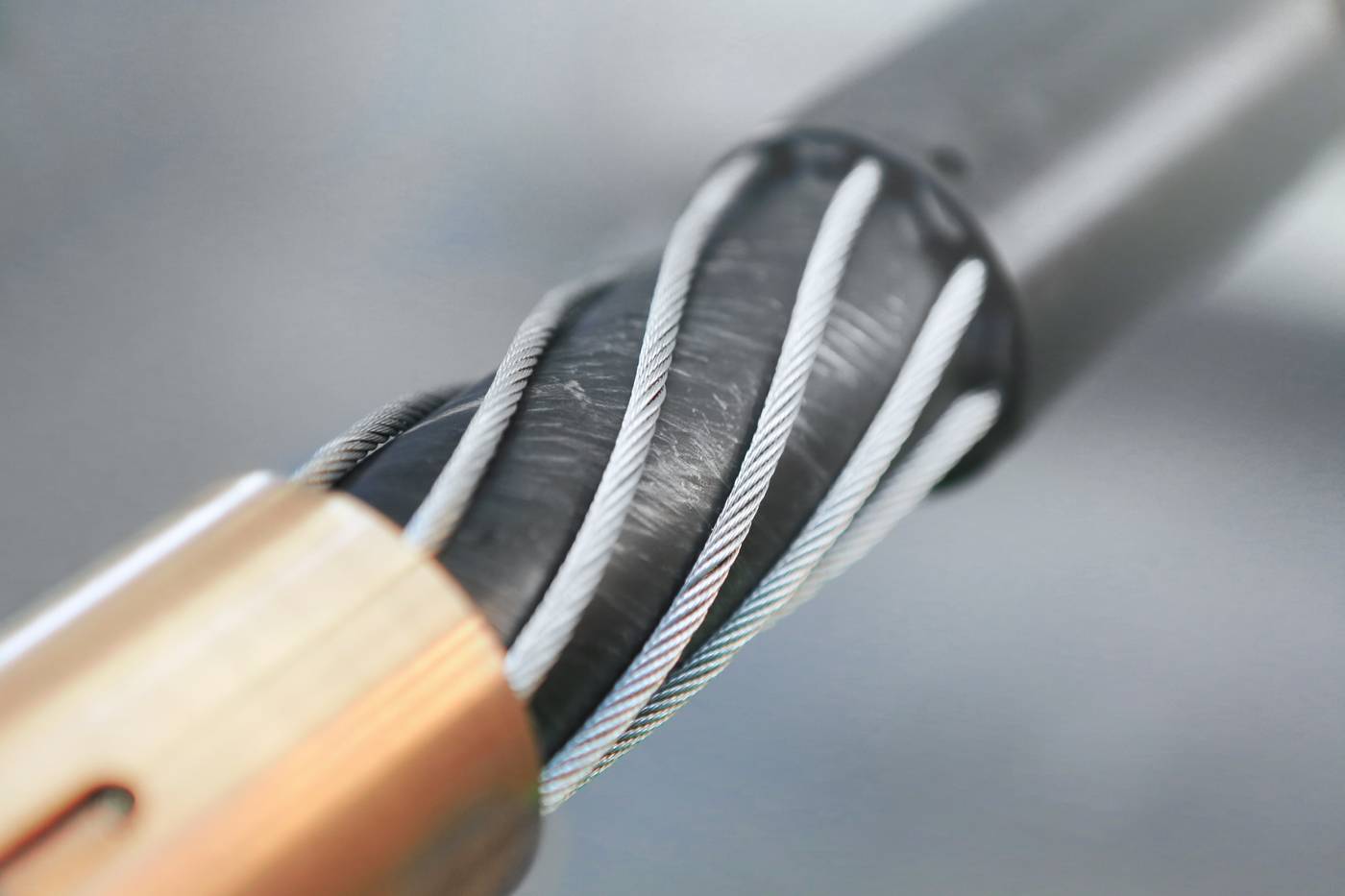
A recent multi-well drilling program in the Bay of Thailand, which involved the use of Neo Oiltool’s Neorork, demonstrated what proactive vibration management can deliver. The region’s stacked, faulted sands and frequent changes in formation strength and temperature have historically led to erratic ROP and premature BHA wear.
The operator deployed Neotork’s cable-based vibration control system across four wells and benchmarked performance against offset wells drilled without it. Each well was drilled with a single BHA and required no mid-run tool-related trips. Vibration amplitudes dropped from more than five g to less than two g. With instability suppressed, drilling energy translated more efficiently into penetration, increasing average ROP by about 39%.
“Mitigating vibration at the source enables BHAs to operate consistently closer to their design limits. Greater WOB and RPM become feasible without pushing mechanical or thermal boundaries. Torque response smooths out, directional control improves, cutter engagement becomes more uniform, and tool electronics wear slows,” said Feasey.
The outcome extended beyond faster drilling. Directional control improved, tool life was extended, and operational risk was reduced.
Mechanical Stability as a Strategic Advantage
As offshore operators navigate increasingly extreme environments and geological complexities, Feasey believes mechanical stability will increasingly define what is achievable.
“The results achieved in the Bay of Thailand demonstrate that vibration is not an unavoidable hazard but a manageable engineering challenge,” Feasey emphasized.
For operators, drilling managers and contractors alike, early adoption of vibration control strategies may deliver significant gains in wellbore performance, equipment longevity and operational predictability.
In a market where every additional rig day carries substantial cost, drilling in mechanically stable conditions may prove one of the most reliable ways to protect both performance and well economics.
About the Author
Amir Garanovic
Amir Garanovic is managing editor of Offshore Engineer. He has covered offshore energy and maritime industry since 2014, with a special focus on renewable energy sector and emerging clean energy technologies.