Digitalization
Tracking Cargo
OpenTug’s BargeOS: Real-Time Visibility, Predictive Intelligence to O&G Barge Logistics
The tow and barge industry is, to put it kindly, a conservative industry built on a traditional way of doing things. But times are changing, and the need for digital solutions to help track and verify cargoes – particularly in the high-value energy market – is becoming mandatory. The upside: gains in operational efficiency are real and measurable too, for both the transportation company and the shipper, as Jason Aristides, Founder and CEO, OpenTug, discusses in a recent interview with Offshore Engineer TV.
In the competitive world of offshore energy logistics, where the value of a single shipment can stretch into the tens of millions, efficiency, transparency, and predictability are paramount. Jason Aristides, founder and CEO of OpenTug, believes the barge sector, long hampered by manual processes and limited data visibility, is overdue for a digital revolution.
Founded out of Aristides’ firsthand experience at Foss Maritime, OpenTug began as a marketplace platform for barge transport before pivoting into a full-scale software-as-a-service (SaaS) provider. Its flagship solution, BargeOS, now serves as an operating system for barge logistics, enabling companies to quote, schedule, track, and reconcile barge voyages in a single digital platform.

Mind the [Visibility] Gap
Unlike tugboats, barges in the U.S. are not covered by AIS requirements, making it difficult for shippers to know where their cargo is in real time. For the oil and gas sector — where high-value liquid cargo demands absolute precision — this information gap can cause costly idle time and disrupt downstream operations.
OpenTug is filling that gap with a multi-pronged approach. The company tracks over 3,500 active barges each month, deploying GPS devices to deliver live location data, integrating voyage orders and traffic updates via AI, and consolidating this information into a single source of truth. For oil and gas operators, that means real-time ETA updates, operational alerts, and a verified record of voyage activity — all critical for safety compliance, contract accuracy, and optimizing fleet utilization.
Image courtesy OpenTug
With recent investment from maritime-focused backers, OpenTug is doubling down on AI-driven document processing, live tracking infrastructure, and collaborative tools designed to bridge operators, shippers and terminals.”
- Jason Aristides,
founder and CEO of OpenTug
Case Studies in Efficiency
One Gulf Coast carrier previously spent hours pricing voyages for customers, factoring in unpredictable river conditions, water levels, and lock delays. OpenTug’s automated quoting engine, part of BargeOS, turned that into an instant process, improving margin accuracy and helping close deals faster.
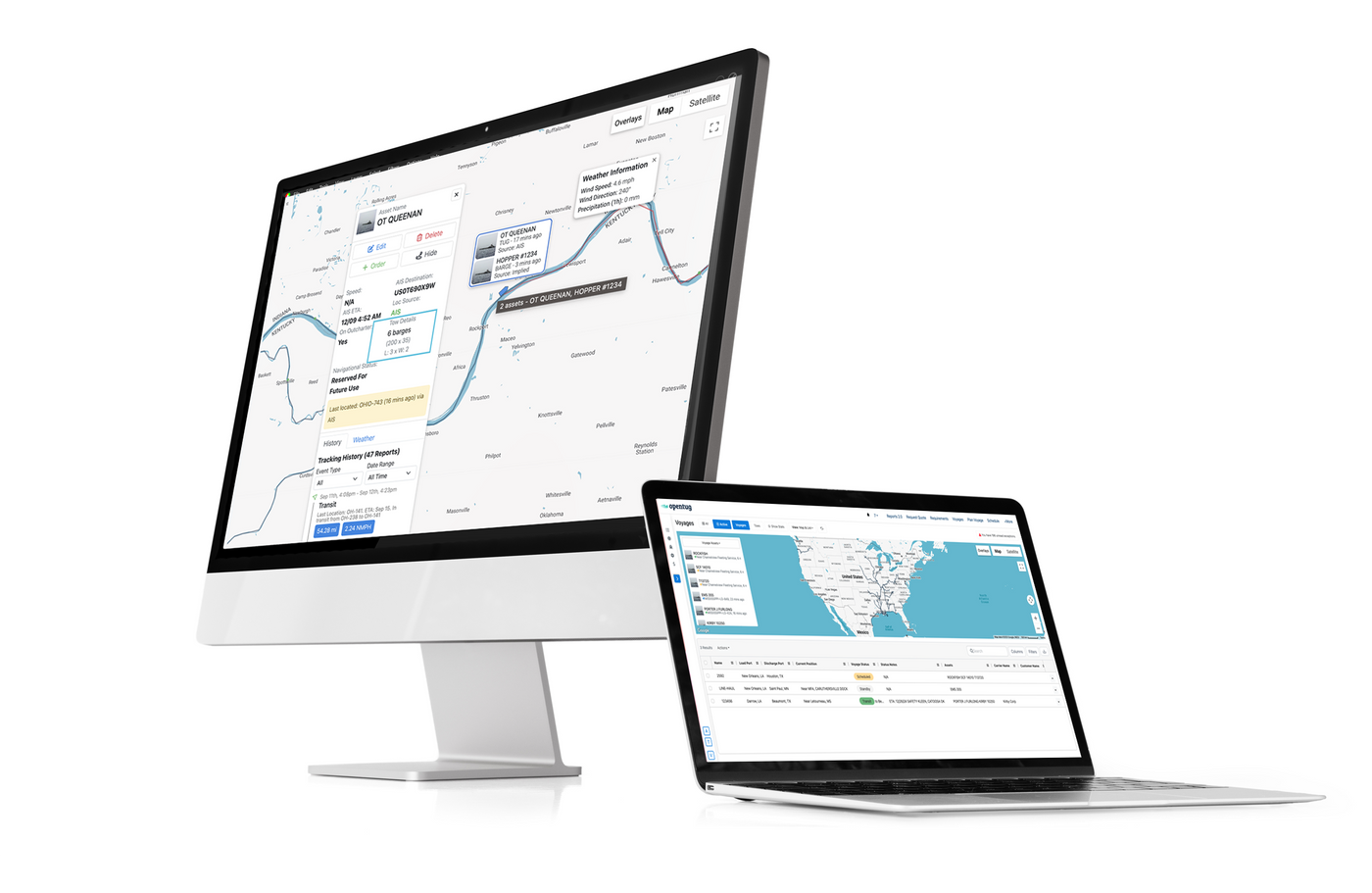
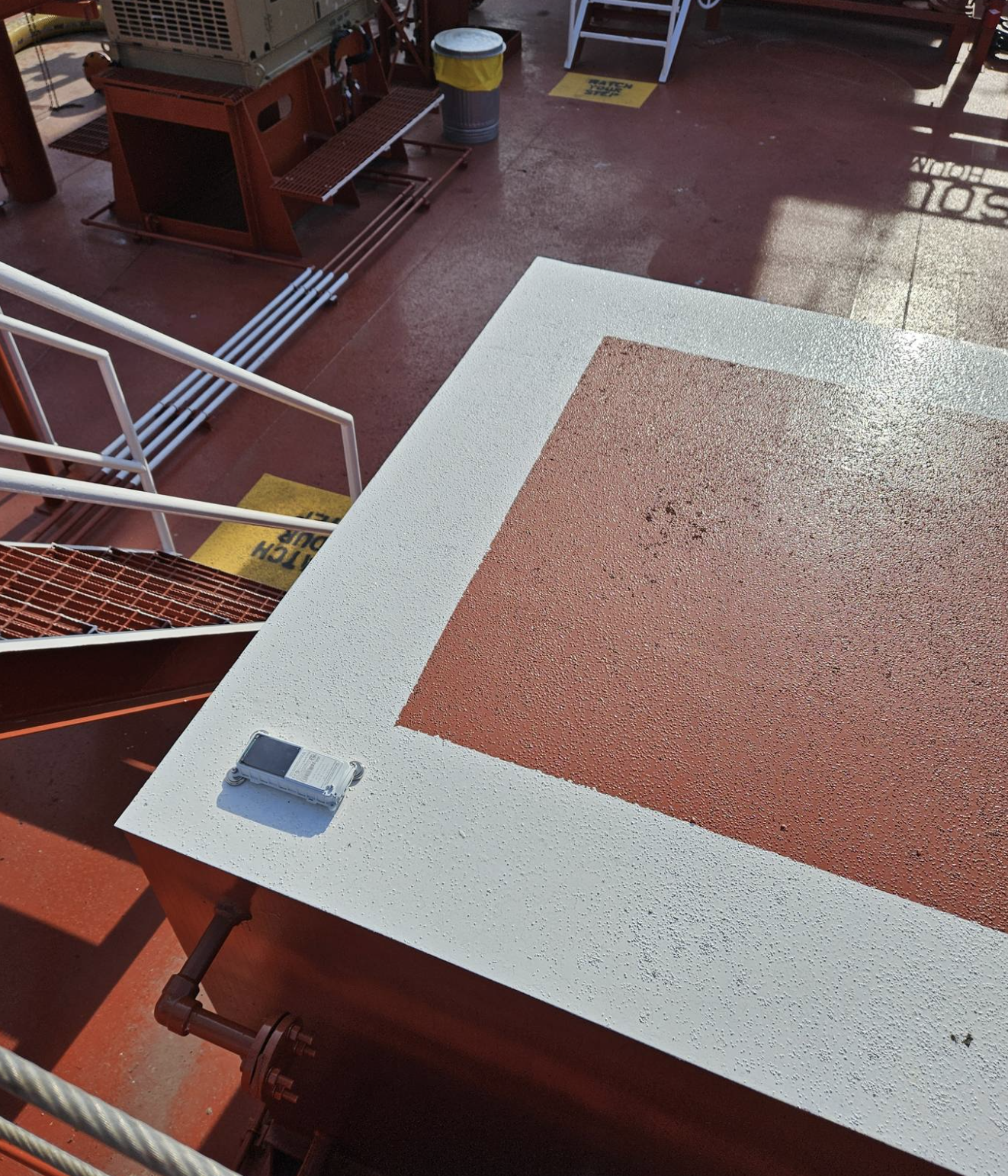
For a major oil and gas shipper, the challenge was coordinating multiple stakeholders who needed to know when barges would be ready for loading. By integrating GPS tracking, voyage management systems, and automated email data capture, OpenTug created a real-time operational dashboard. The result: less time spent chasing updates, more time making proactive decisions that cut idle days and boosted throughput.
With recent investment from maritime-focused backers, OpenTug is doubling down on AI-driven document processing, live tracking infrastructure, and collaborative tools designed to bridge operators, shippers, and terminals. Aristides’ vision is clear — make barge transport as accessible and predictable as road or rail, and in doing so, unlock its potential to move more cargo at lower cost without the need for new vessel construction.
For oil and gas players seeking to tighten control over high-value barge shipments, BargeOS is designed to be more than a logistics tool: if deployed it can provide a competitive advantage in a sector where timing, cost certainty, and asset efficiency directly impact the bottom line.