Markets
OSVs
The SEA Offshore Market: Today’s Reality, Tomorrow’s Outlook
Oil price weakness remains a key concern for most stakeholders in the industry. With prices hovering in the low to high 60s these days, this reflects a decline of more than 20% compared to a year ago. This recent dip in oil prices stems from several months of unwinding OPEC production adjustments, compounded by turbulent geopolitical developments. Together, these forces have stirred uncertainty across the market, casting a fog over the outlook and hinting at deeper, potentially structural, shifts taking shape beneath the surface.
By Michelle Yeo, Market Analyst at Fearnley Offshore Supply
In light of these developments, Rystad Energy have revised their May global greenfield commitment outlook to $85 billion this year, representing a 35% decrease compared to their outlook just a month ago. Several oil majors have also adjusted their spending forecast for this year, with ENI announcing a reduction of 6% in gross CAPEX expenditure while ConocoPhillips quoting a reduction of 5%. Other key oil producers have also reported cuts between 2% and 10%. While it remains unclear whether these cuts will translate into lower E&P activity, many of the oil majors have reiterated their commitment to maintaining overall production targets.
Global macroeconomic headwinds place us at a critical inflection point, setting the stage for a new paradigm as stakeholders recalibrate market positioning and plan for the coming decade. The depth and duration of the current muted price environment remain uncertain, but the overall long-term outlook remains promising. Regional commitments point to continued momentum through 2029, with average E&P vessel spending projected to grow by 5% in Asia Pacific and 4% in the Middle East.
Meanwhile, major offshore engineering contractors are also steadily building their backlogs. These backlog figures demonstrate the expected elevated levels of offshore upstream activity anticipated in the medium term, particularly as energy companies ramp up capital investment in oil and gas projects, in regions like the Middle East and Latin America. As of 2025 to date, Tier 1 EPC contractors report a combined backlog of $49.5 billion – the highest level seen in the past five years.
Although some project decisions have been delayed due to oil price volatility and shifting economic feasibilities, contractors remain optimistic about long-term demand. Offshore projects remain a preferred investment avenue for operators, with deepwater projects attracting a growing share of global capital, buoyed by improved project economics over the years. However, this could evolve as the industry navigates the shifting sands of geopolitics, which continue to cast uncertainty over oil prices and investment timelines.
Promising Medium-Term Outlook for Southeast Asia OSV Market
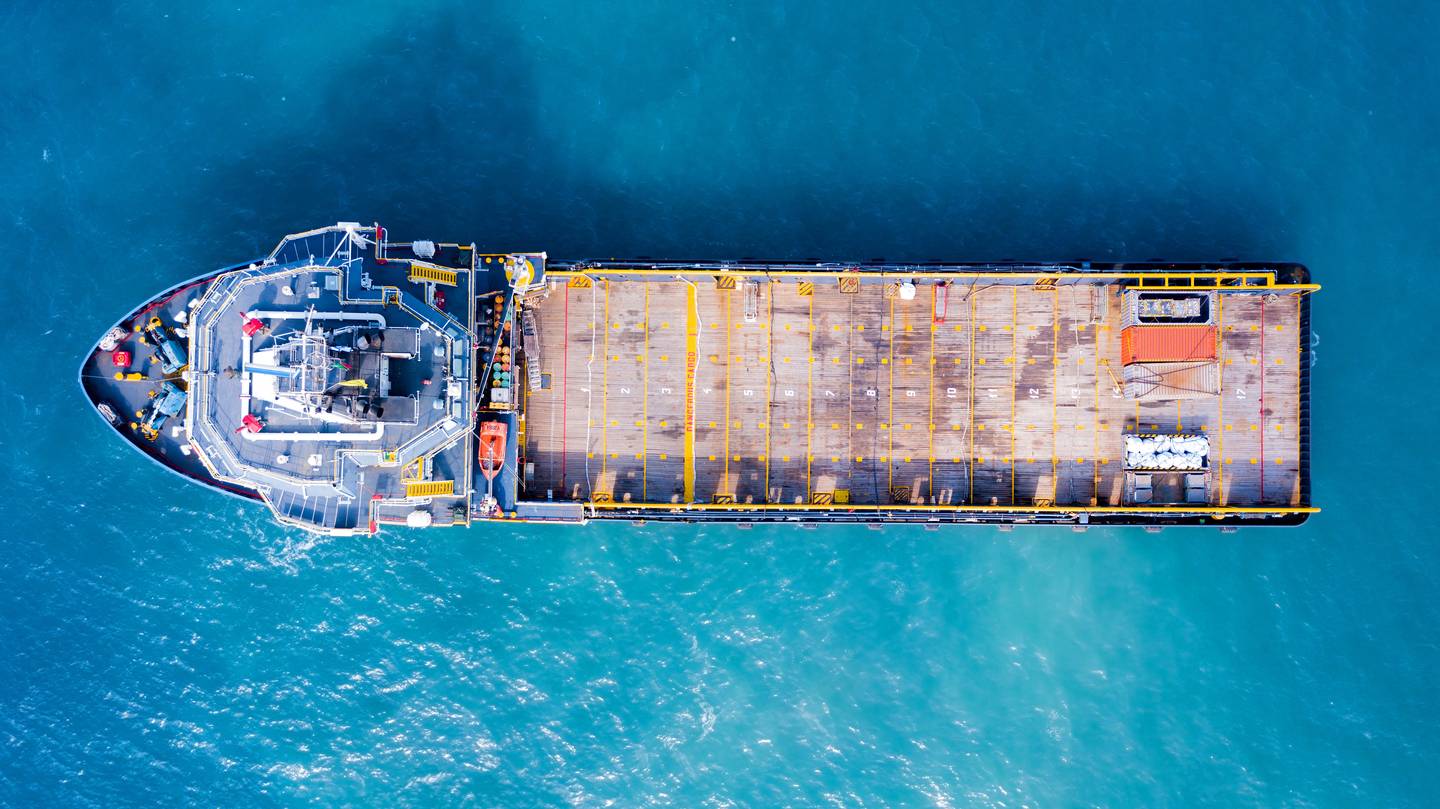
In the Southeast Asia OSV market, the tides have turned since last year, following the wider global macro trends. Just a year ago, vessel availability was limited and considered a prized asset in a bustling market. Today, a significant pool of vessels has empty windows between jobs, seeking employment in a slower-moving market. Dark clouds hover as projects face delays and softer market sentiment weighs on near-term demand. However, these dark times will pass soon, as committed vessel budgets and planned project expenditures point to a more promising medium-term outlook, with increased rig activity combined with a tightening vessel supply. Moreover, deferred project timelines pave the way for an uptick in activities in the latter half of the decade.
Taking for example the Salam-Patawali project off Malaysia, ConocoPhillips have pulled the plug resulting in a delay in the project progress. With a greenfield commitment expected at $1.7 billion, it is unlikely that Petronas will be able to move ahead with the project alone. Similarly in Thailand, PTTEP has suspended its Lang Lebah project and delaying it till next year. While no exact reason has been stated, it is believed that the political dynamics in Sarawak have contributed to market unease for operators working therein.
That said, the OSV market in Southeast Asia remains resilient, bolstered by encouraging forecasts for operational rigs and the current state of supply vessels. Based on a working fleet of 37 rigs – and assuming each deploys two AHTS and one PSV – this translates to demand for approximately 74 AHTS and 37 PSVs. At first glance, the region’s 200 AHTS (which only accounts for the 60 to 80-ton class, the typical workhorses) and 90 PSV fleet appear adequately sufficient and healthy. However, a deeper look at vessel age and operational readiness suggests otherwise. The average age of the fleet today is 16.5 years, and excluding vessels above 25 years, 17% of the current fleet is due for retirement by 2030. Moreover, both AHTS and PSV are routinely deployed for a broader range of offshore operations beyond rig support – including FPU support, towage, and standby duties – all of which contribute to intermittent demand that places additional pressure on an ageing fleet.
Looking ahead to 2026, and excluding vessels above the age of 25, we count a total of ~190 AHTS and ~75 PSV. With minimal newbuilds in the pipeline and deliveries expected mostly from late 2026, the rate of asset replenishment will lag behind retirements – tightening the market further.
And this trend is already visible in today’s market. During peak activity, newer tonnages are snapped up quickly, leaving older units to compete for fewer jobs. Interest in newbuilds remains tepid in this region, as traditional owners are reluctant to wait two to three years for delivery – especially amid ongoing market volatility. As a result, the S&P market has seen increased interest; however, the limited availability of vessels that meet buyers’ criteria continues to constrain options.
Heightened offshore activity in the Middle East has historically helped absorb excess vessel supply from Southeast Asia and has become even more pronounced in recent months. However, as activity in Southeast Asia begins to pick up in tandem from next year onwards, vessel availability could tighten quickly, potentially posing a supply challenge. Additionally, with the series of awards materializing in Southeast Asia, we can expect a higher rig activity level into 2026 and 2027. Outstanding tender requirements for jackups in 2026 continue to drive demand forecast and based on the forecast for the number of working rigs, we are expecting an increase of 20% in 2026 and 10% in 2027, compared to today’s level.
Future OSV Demand to Increasingly Come from Alternative Markets
Consequently, the expected dearth of newbuilds, combined with an ageing fleet, would continue to drive upward pressure on vessel rates and utilization. The majority of the coldstacked fleet is also unlikely to rejoin the fray, as reactivation remains largely economically unfeasible given their extended laid up status – particularly since over 80% of these stacked units have been stacked for more than 5 years. This narrows the true count of active, market-ready tonnage and sharpens the sense of looming scarcity.
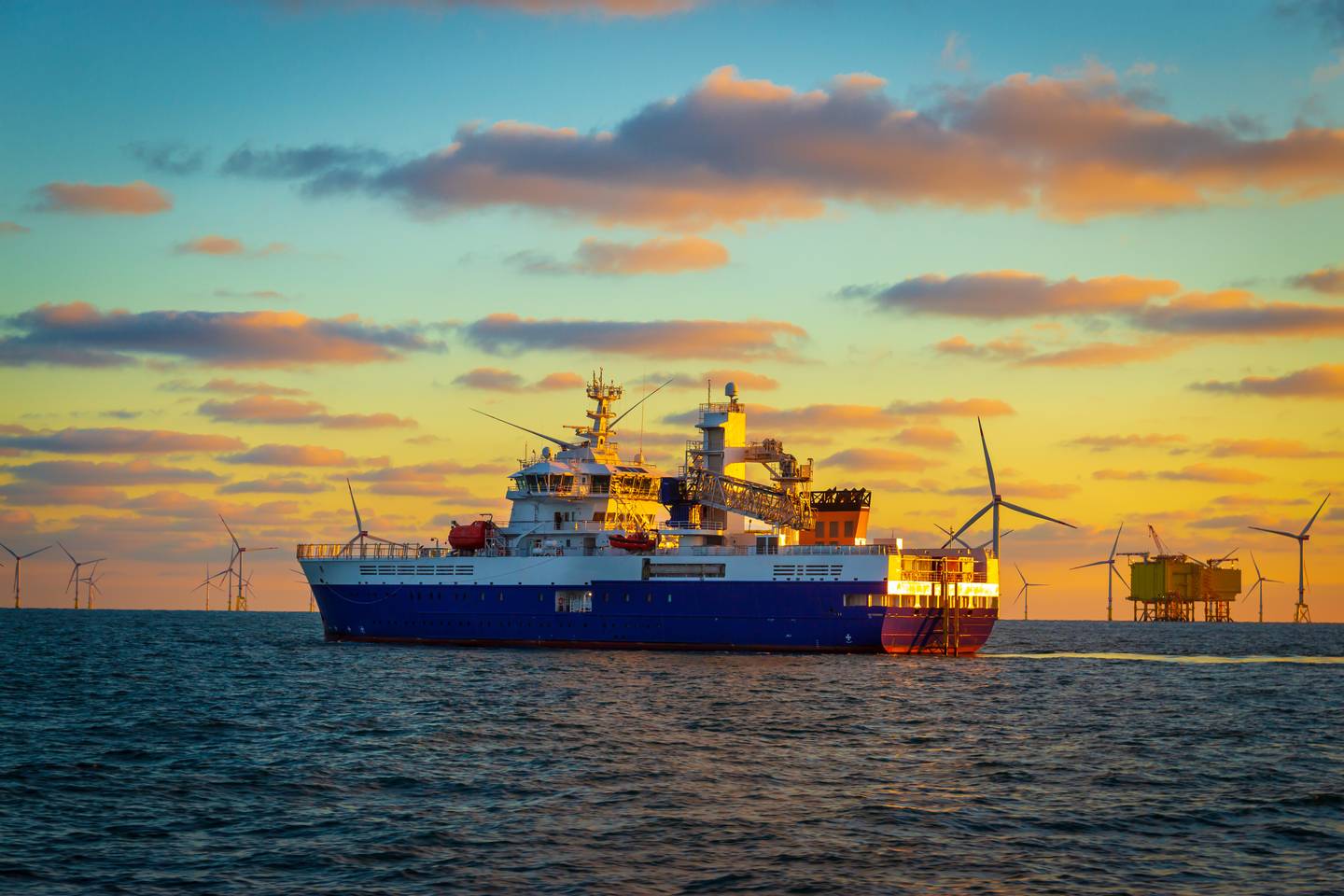
The supply conditions today countervail the weakened demand as reflected, suggesting that a new market paradigm is emerging – one that requires heightened sensitivity and adaptability. Future demand will not only come solely from traditional oil and gas scopes but increasingly from alternative markets as well. Rising focus on CCS, offshore wind, and decommissioning, while individually in modest volume, adds up collectively to the demand pull for the same assets. At the same time, an ageing fleet and limited replenishment exacerbate constraints. This bodes well for owners with operational tonnage but presents a challenge for contractors. Without proactive planning, the market may find itself underprepared when the next upcycle arrives. The question is not just whether we have demand – but whether we will have the right fleet ready to meet it.
The industry still bears the scars of the 2014 cycle, when a wave of overbuilding – driven by overly optimistic demand projections – flooded the market with new vessels just as oil prices collapsed. The result was a prolonged downturn marked by oversupply, weak dayrates, and widespread vessel idling. Today, the risk is not oversupply but undercapacity, especially as ageing units retire and newbuild activity remains subdued. Without a measured and forward-looking response, we could swing from one extreme to another – again finding ourselves caught off guard, but this time due to a lack of fleet readiness when demand rebounds. As geopolitics cast new shadows and macro shifts stir the waters, the course we chart now will determine how well we weather the next storm.
About the Author
Michelle Yeo
Michelle Yeo is a Market Analyst at Fearnley Offshore Supply, covering the offshore support vessel market, including both O&G and renewables. Based in Singapore, she focuses on macroeconomic drivers and supply-side dynamics shaping the offshore sector, with an emphasis on developments in the Asia Pacific and Middle East regions. Michelle holds a Bachelor of Science in Maritime Studies from Nanyang Technological University and brings a nuanced regional lens to market fundamental and emerging trends.
 ©Fearnley Offshore Supply