Vessels
New Delivers, Orders, Designs & Concepts
Meyer Werft Debuts “Vision”: A Battery-Electric Cruise Ship Concept
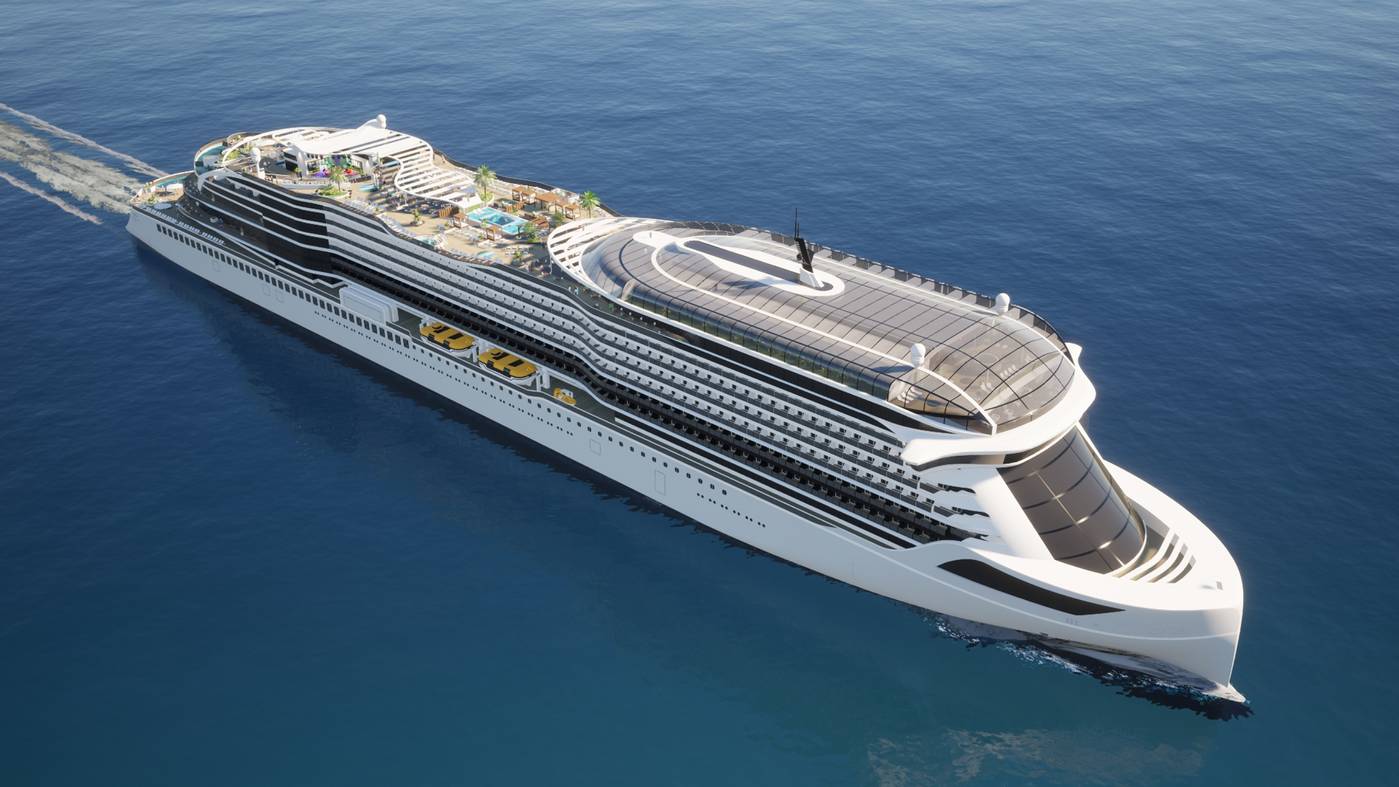
Meyer Werft introduced a concept for what it says would be the world’s first fully battery-electric cruise ship exceeding 80,000 gross tons, signaling a bold step forward in the industry’s push toward decarbonization.
The concept, dubbed “Vision,” is a 275-m vessel would accommodate 1,856 passengers and deliver up to a 95% reduction in greenhouse gas emissions compared to conventional cruise ships.
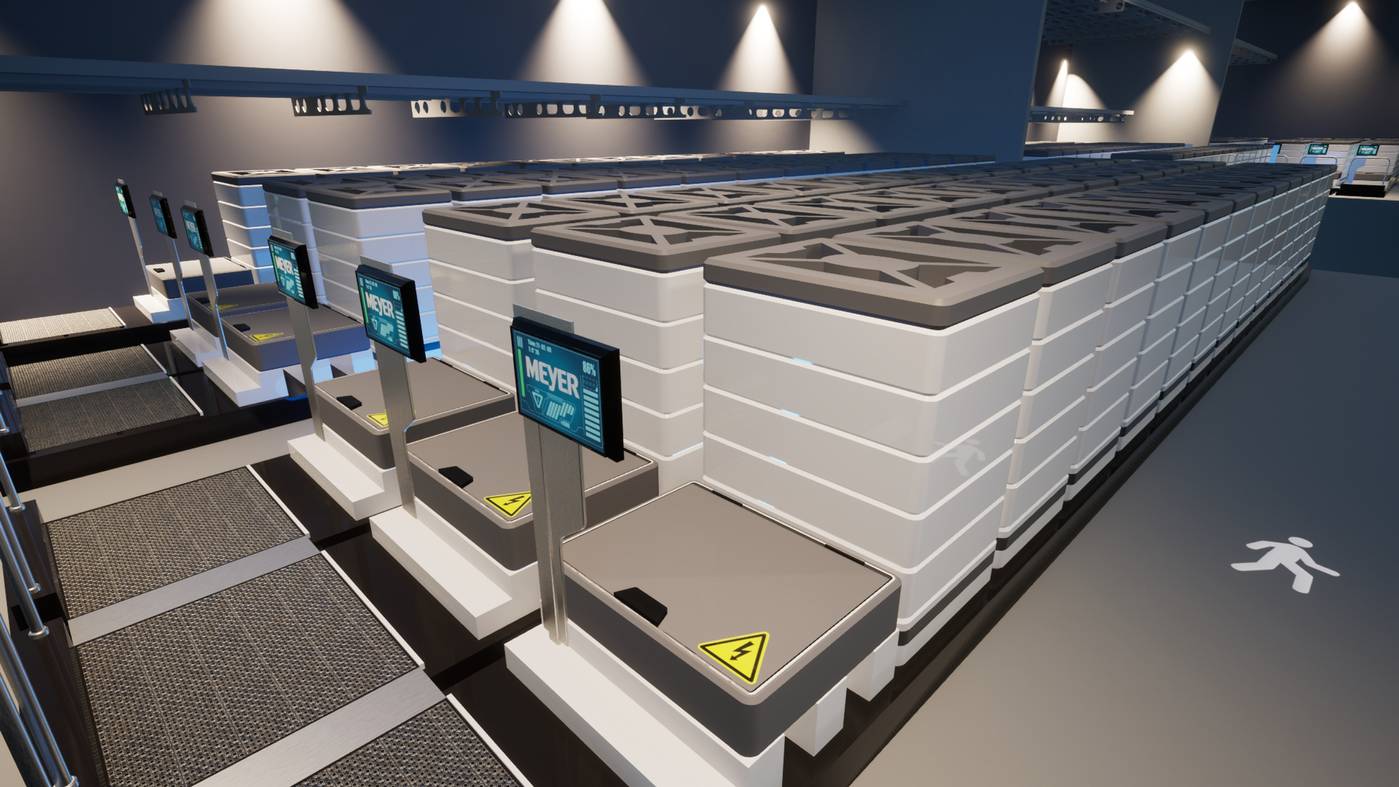
The design leans heavily on existing battery technology rather than speculative future solutions. Norway-based Corvus Energy has been selected to supply the battery system, a partner with a strong track record in hybrid and fully electric maritime applications.
Meyer Werft executives contend that the concept is not a distant ambition but a near-term possibility. If ordered within the year, the vessel could be delivered as early as 2031.
From an operational standpoint, the concept targets short- to medium-range cruise itineraries. The company said a majority of European routes — including high-traffic corridors such as Barcelona to Civitavecchia — would be achievable on battery power alone. By the end of the decade, more than 100 European ports are expected to offer the charging infrastructure required to support such vessels.
For longer voyages, including transatlantic crossings, the design can be adapted to a hybrid configuration with auxiliary generators.
Beyond propulsion, Vision reflects a rethink of cruise ship architecture.
The absence of conventional exhaust systems eliminates the need for a funnel and internal exhaust shafts, freeing up deck space and enabling redesigned open areas with uninterrupted views. The concept also incorporates enclosed, weather-protected spaces, including an indoor aqua park, positioning the vessel as an all-weather platform.
The shift to full electric propulsion also promises operational benefits onboard. With no main engines, noise and vibration levels would be significantly reduced, enhancing passenger comfort—an increasingly important differentiator in the cruise market.
While still at the concept stage, Meyer Werft’s Vision underscores a growing confidence that battery-electric propulsion can scale beyond ferries and short-sea vessels into larger passenger ships. The remaining challenge will be aligning vessel design with port-side charging infrastructure and evolving regulatory frameworks.
Still, the message from the German builder is clear: the technology is ready, and the timeline is closer than many in the industry may have expected.
‘World’s First’ Ammonia Dual-Fuel Ocean Carrier

Belgium’s Exmar has named a pair ocean-going ammonia dual-fuel midsize gas carriers, said to be the world’s first, marking a milestone in the development of low-emission shipping.
The two vessels, ANTWERPEN and ARLON, were built in South Korea in cooperation with HD Hyundai as part of a multi-year development program.
Each vessel has a cargo capacity of about 46,000 cu. m., including 45,000 cu. m. cargo tanks and two 500 cu. m. deck tanks. The design incorporates an extended hull and increased beam to boost cargo intake compared with standard vessels.
The ships are equipped with ammonia dual-fuel propulsion systems, enabling CO2 emission reductions of up to 90% during navigation, while also allowing cargo to be used as fuel.
Exmar said the project involved collaboration with multiple partners, including Wärtsilä Gas Solutions, WinGD and Lloyd's Register, with propulsion systems undergoing extensive testing.
New Order for Zero-Emission Passenger Vessel
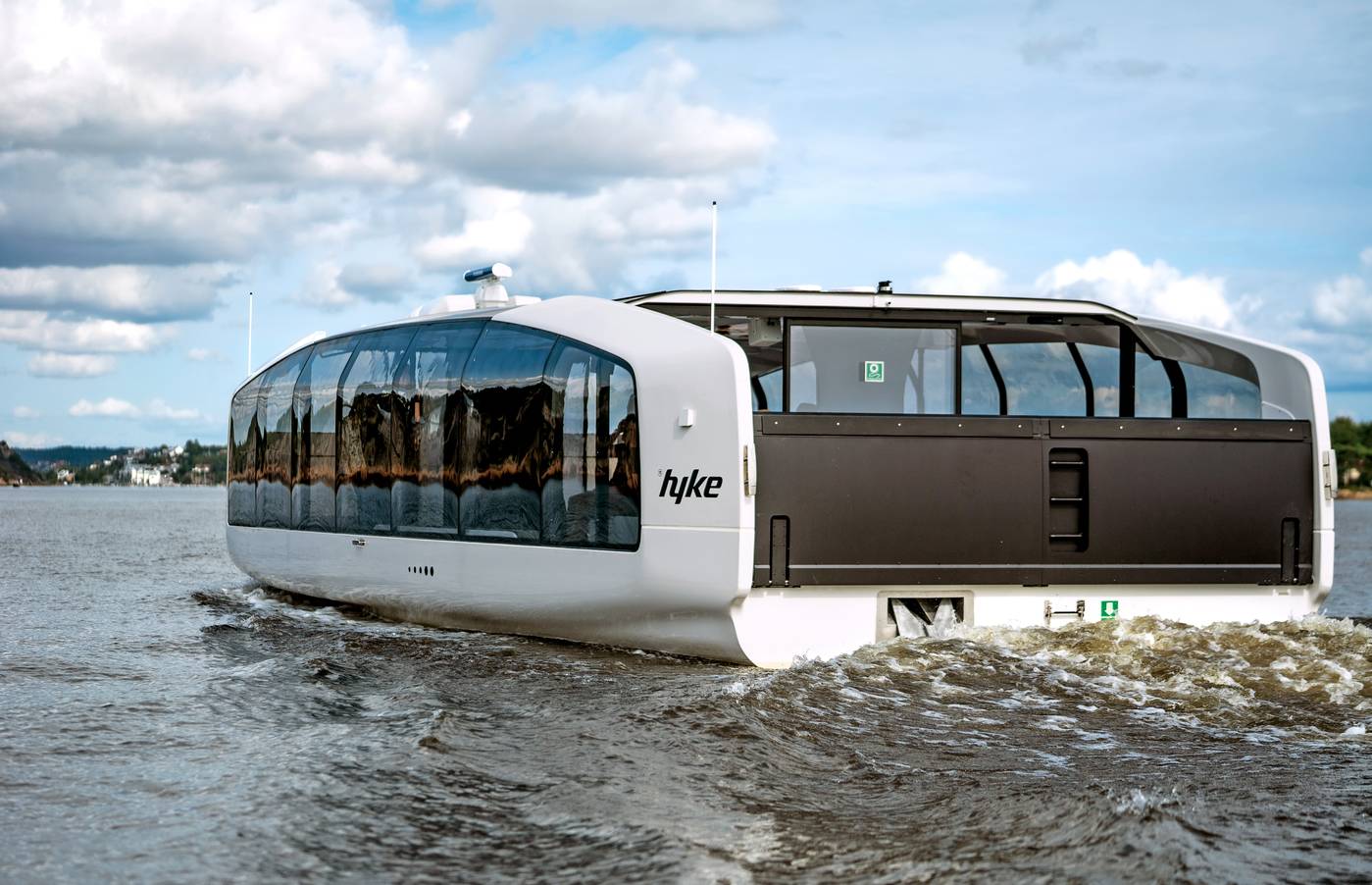
A new all-electric passenger vessel is set to enter service in western Norway, as newly formed operator Cityboat has placed an order for a zero-emission shuttle from Hyke to support tourism and local transport around Haugesund’s island network.
Cityboat — a joint venture between express boat operator Rødne and local tourism firm Viking Adventure — has selected the 15-m Hyke F-15 Shuttle, with delivery scheduled for late 2026. The vessel will be constructed by Herde Kompositt in Hardanger using primarily Norwegian-sourced systems and components.
The newbuild will support passenger and sightseeing operations in and around Haugesund, where Cityboat has already begun harbor cruises using a leased sister vessel from Hyke.
Margaret Hystad, owner and CEO of Viking Adventure and manager of Cityboat, said the electric vessel will enable a new class of tourism experience in the region.
“The Hyke vessel offers our guests an unforgettable experience in close contact with the surroundings, free from noise, vibrations and emissions,” she said, adding that the concept opens a new market segment for the company.
A key differentiator for the F-15 Shuttle is its charging flexibility. Unlike many electric passenger vessels that require dedicated shore infrastructure, the vessel can utilize standard electric vehicle fast chargers as well as conventional AC connections.
Hyke CEO Halvor Vislie said the vessel’s efficiency allows for a full day of operations without recharging, noting that its energy consumption is exceptionally low for its class.
The design has already been proven in public transport operations in eastern Norway, providing a foundation for broader deployment in both tourism and short-route passenger markets.
For Rødne, the investment reflects a broader strategy to expand environmentally friendly maritime transport while exploring new, smaller-scale routes.
CEO Lars A. Rødne said the company has closely followed Hyke’s development efforts and sees the vessel as a commercially viable solution for niche services that were previously uneconomical.
“With its minimal energy consumption and low operating costs, the Hyke F-15 Shuttle represents something completely new in the market,” he said.
The F-15 Shuttle is designed, developed and built in Norway, with a focus on lightweight construction, modular systems and serial production. This approach is intended to reduce both build costs and delivery timelines, supporting wider adoption of electric vessels in coastal and urban environments.
With capacity for 50 passengers, the vessel measures 14.9 meters in length and is equipped with a 196 kWh battery system. Fast-charging capability includes 150 kW DC and 22 kW AC options, enabling operational flexibility across different ports.
Early operations in Haugesund have reportedly generated strong passenger interest, pointing to growing demand for low-impact tourism experiences in sensitive coastal environments.
“If things continue like this, there will be more Hyke ferries both in Haugesund and in other cities,” Hystad said.
The project underscores a broader trend in the maritime sector, where advances in battery technology and vessel design are enabling zero-emission solutions not only for ferries and workboats, but increasingly for tourism-focused passenger services as well.

Main Particulars
| Length | 14.9 meters |
| Width | 5.7 meters |
| Passenger capacity | 50 |
| Weight | approx. 11 tons |
| Installed battery capacity | 196 kWh |
| Charging | 150kW DC, 22kW AC |
Fincantieri Launches “Norwegian Aura” at Monfalcone
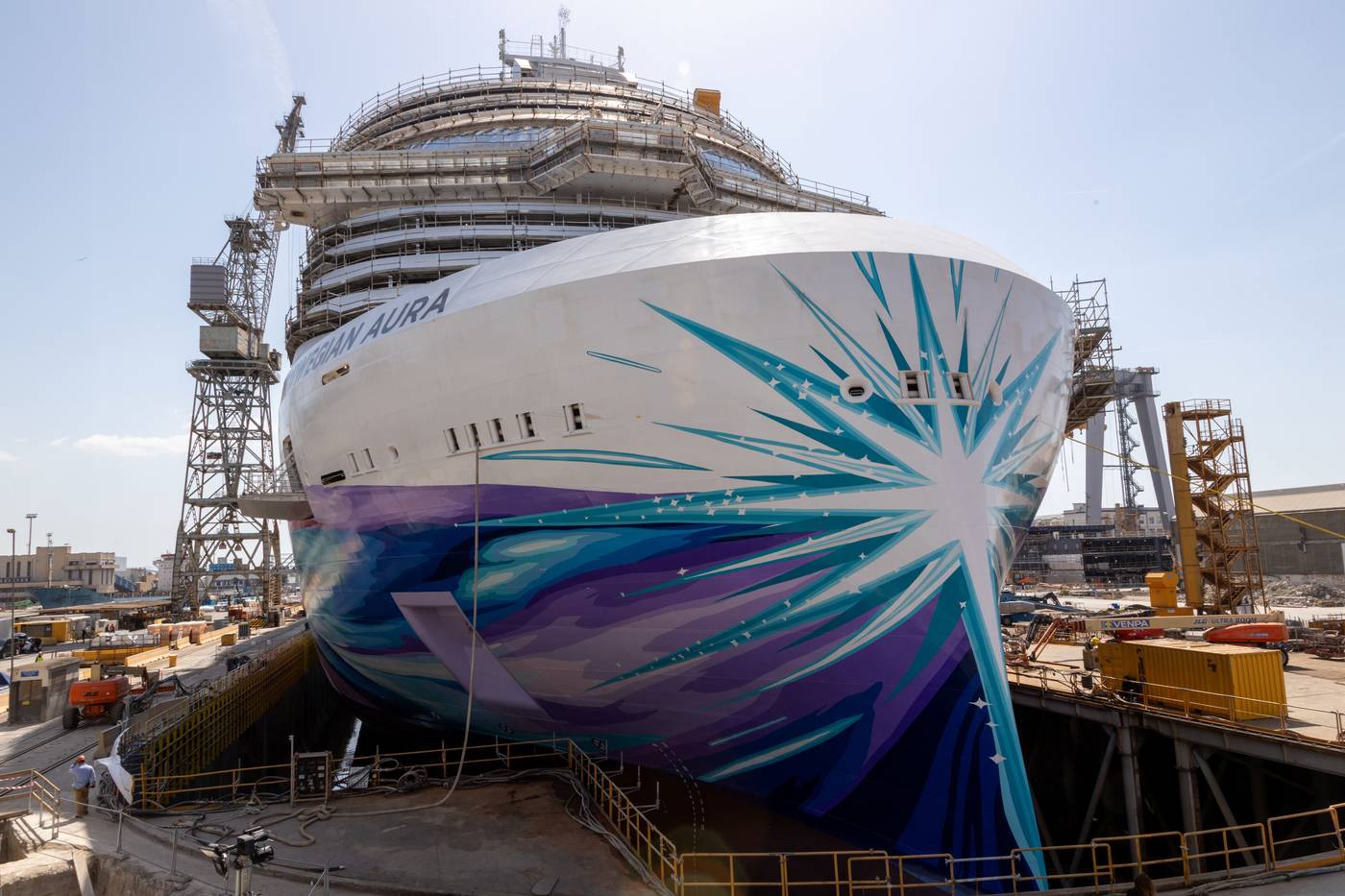
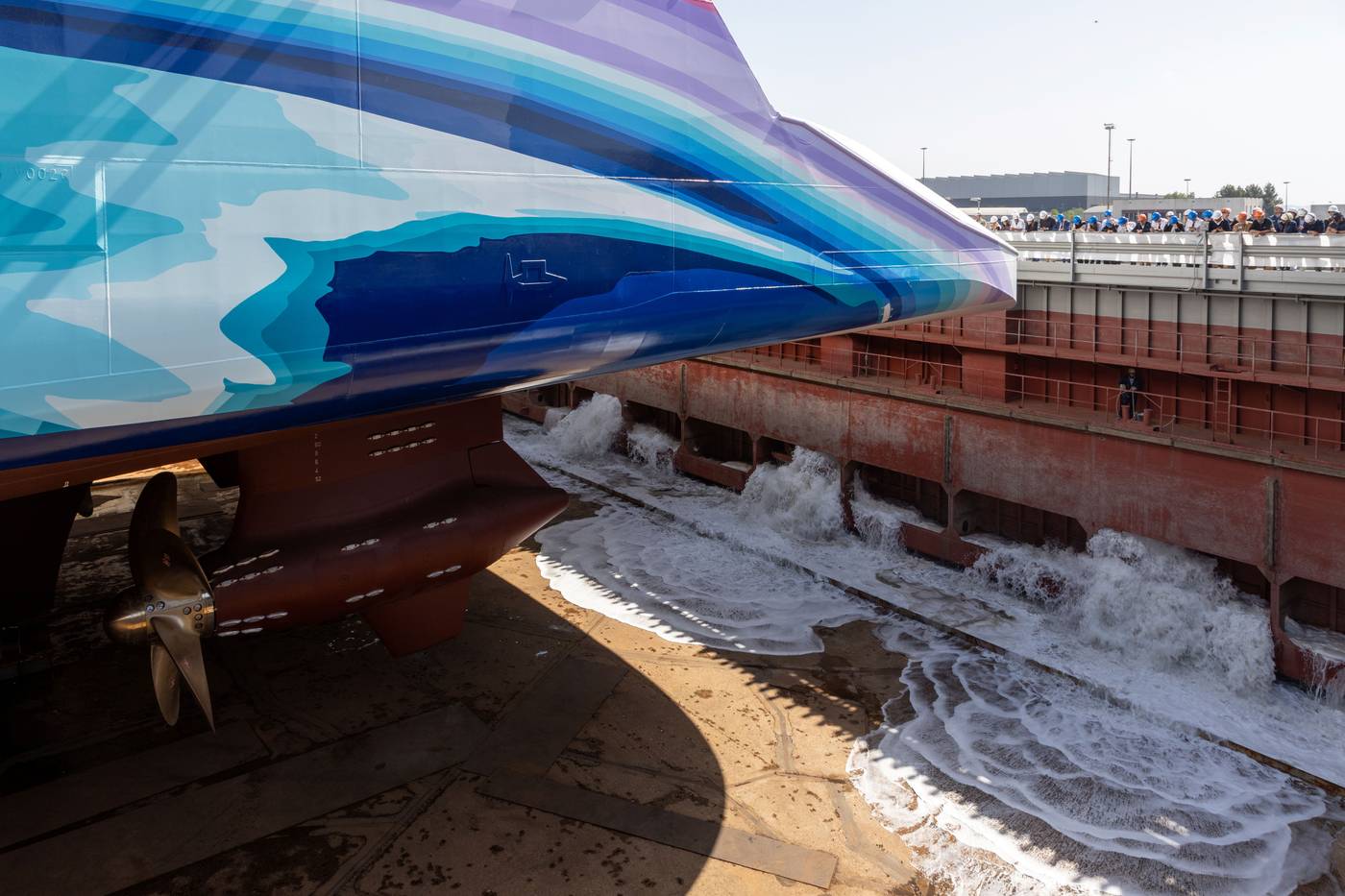
Fincantieri launched Norwegian Aura, the latest cruise ship under construction for Norwegian Cruise Line, at its Monfalcone yard, marking a key milestone as the vessel moves into final outfitting ahead of delivery in spring 2027.
At approximately 170,000 gross tons and 344 meters in length, Norwegian Aura represents a step up in scale for the Prima Plus platform, coming in roughly 10% larger than its predecessors, Norwegian Aqua and Norwegian Luna. The vessel will feature 1,976 cabins and accommodate about 3,880 passengers.
The ship is the first Norwegian Cruise Line vessel to be built at Monfalcone, underscoring the yard’s growing role within Fincantieri’s cruise production network. The facility has delivered more than 40 cruise ships to date and remains one of the group’s primary hubs for large, next-generation vessels.
From a design standpoint, Norwegian Aura continues the line’s focus on expanded outdoor and activity spaces. Features include an enlarged water park, a suspended adventure course, climbing wall and the Ocean Boulevard promenade, a full-circumference exterior walkway integrated into the vessel’s superstructure.
The launch comes as Fincantieri and Norwegian Cruise Line Holdings deepen a long-standing partnership. A recent order for three additional vessels—one each for the group’s NCL, Oceania and Regent brands—brings the combined backlog to 16 ships scheduled for delivery through 2037.
With the hull now afloat, work will shift to interior outfitting and systems integration, a phase that will define schedule performance as the vessel advances toward delivery.
Kongsberg Maritime to Propel Indian Navy’s Missile Vessels
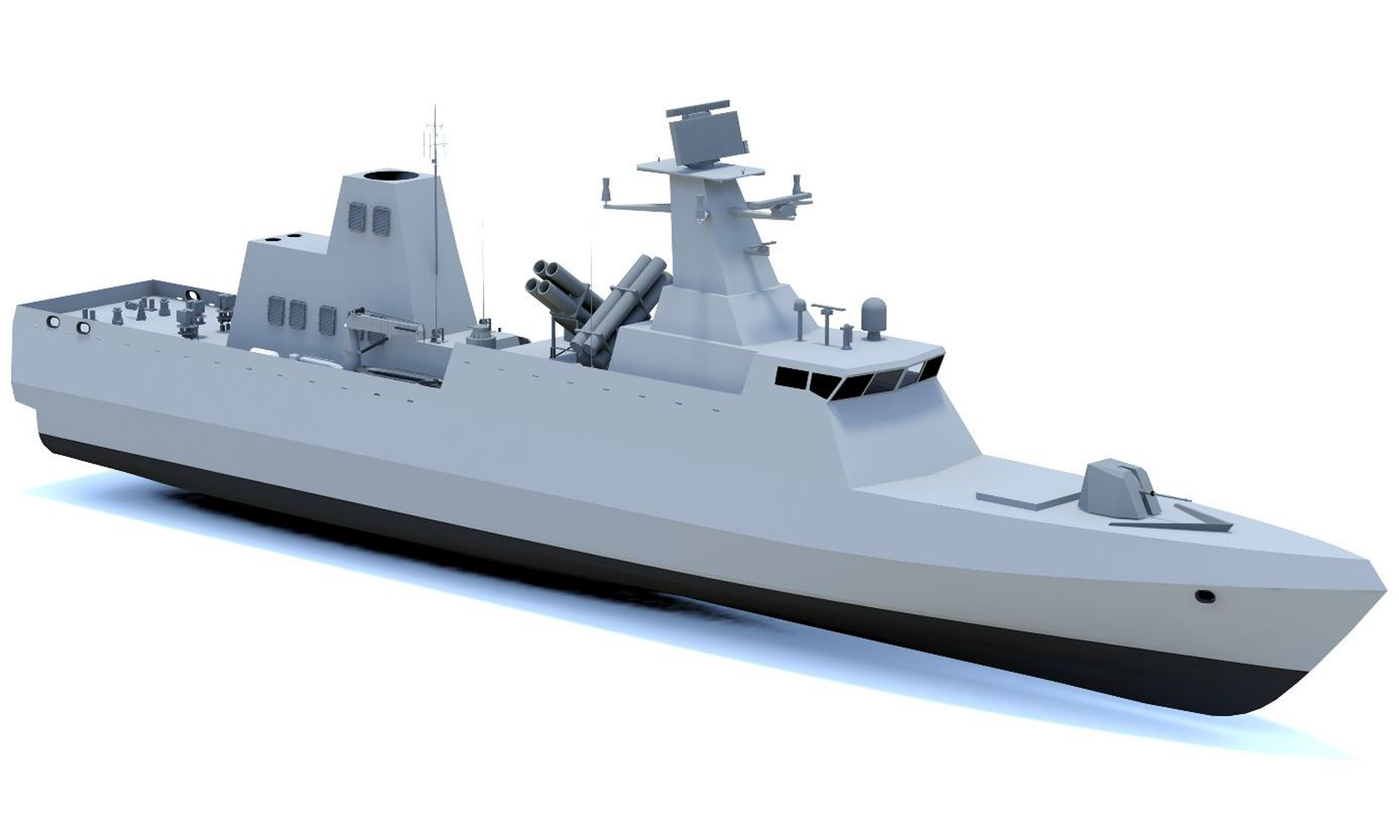
Kongsberg Maritime signed a landmark contract to supply 18 large Kamewa waterjets for the Indian Navy’s Next Generation Missile Vessel (NGMV) program. Each of the vessels will feature waterjets, delivering exceptional speed and maneuvrability for high-performance naval operations.
The NGMV fleet is being built by Cochin Shipyard Limited and will play a critical role in India’s maritime defense strategy.
This contract marks Kongsberg Maritime’s largest single waterjet order to date.
“This is a milestone project for Kongsberg Maritime and a testament to the trust placed in our waterjet technology for demanding naval applications,” said Anders Valkeinen, VP, High-Speed Craft, Kongsberg Maritime. “Our Kamewa waterjets will deliver the speed, agility, and reliability required for these advanced missile vessels.”