Vessels
New Delivers, Orders, Designs & Concepts
Fincantieri Delivers Norwegian Luna
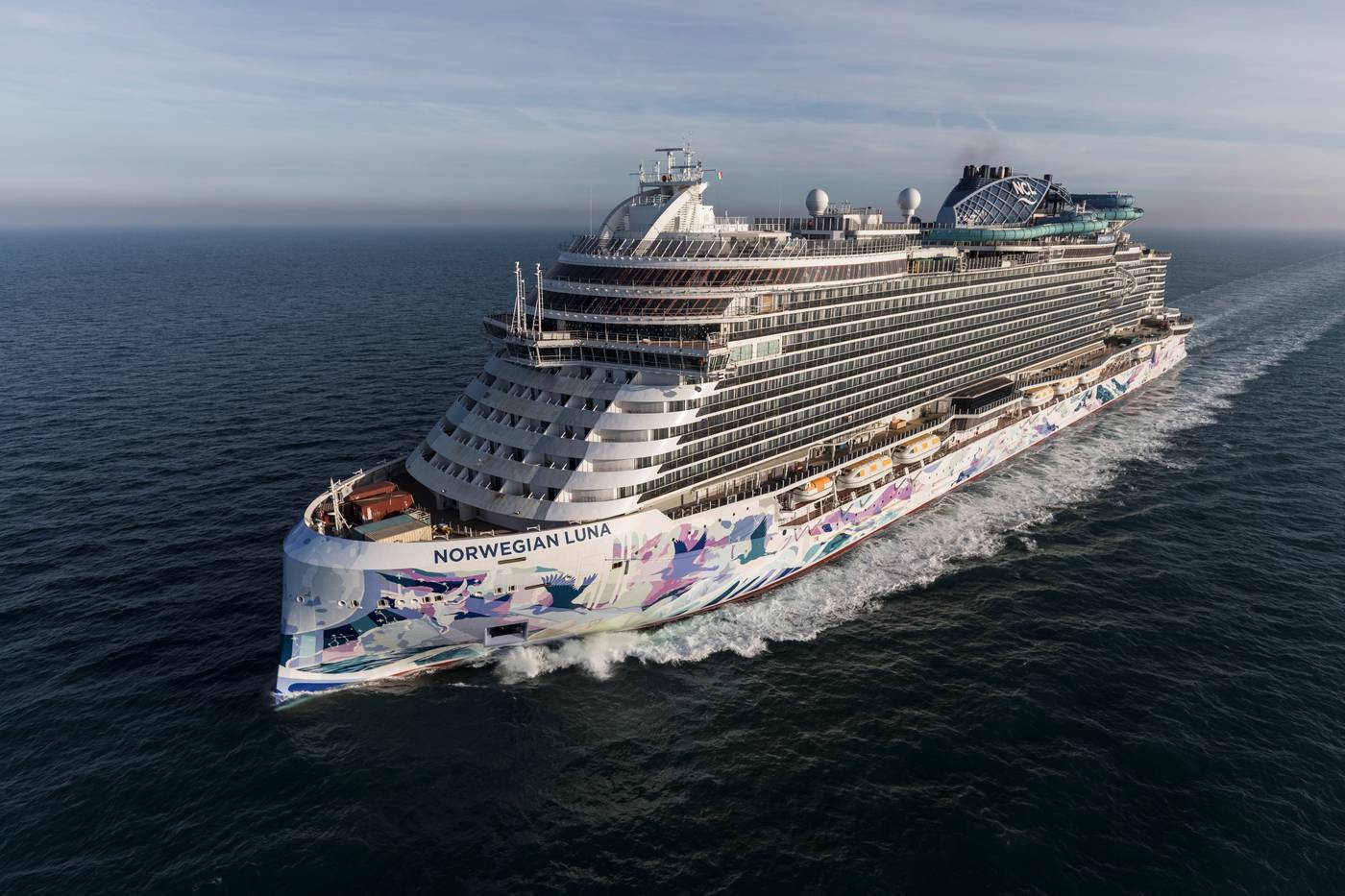
Fincantieri delivered the cruise ship Norwegian Luna to Norwegian Cruise Line during a ceremony at the builder’s Marghera shipyard in Italy, marking the second vessel in the expanded Prima Plus class. The 156,000-gt ship follows sister vessel Norwegian Aqua, delivered in 2025, and represents an evolution of the original Prima-class ships Norwegian Prima and Norwegian Viva, which were also built by Fincantieri. At approximately 321 meters in length with capacity for about 3,550 passengers, Norwegian Luna is roughly 10% larger than the earlier Prima-class vessels.
The ship features a range of new entertainment and recreation concepts, including the Aqua Slidecoaster — Norwegian Cruise Line’s hybrid roller coaster and waterslide attraction — as well as the Glow Court interactive sports complex, the Luna Midway outdoor carnival-style entertainment area, and the Moon Climber multi-level obstacle course. Like its sister ships, the vessel also incorporates Ocean Boulevard, the cruise line’s expansive 360-degree outdoor promenade.
The delivery comes shortly after Norwegian Cruise Line Holdings Ltd. and Fincantieri announced a new agreement to build three next-generation cruise ships, including one for the Norwegian Cruise Line brand. Those vessels are scheduled for delivery between 2030 and 2037 and will add to the four-ship order announced in early 2025.
Step Aboard John F. Kennedy (CVN 79)
HII marked a major achievement with the successful completion of builder’s sea trials for John F. Kennedy (CVN 79), the second Gerald R. Ford-class nuclear-powered aircraft carrier built by HII’s Newport News Shipbuilding (NNS) division. The video captures Kennedy’s first time underway and the teamwork and technical expertise driving this critical step toward delivery.
Filmed in the Atlantic Ocean, the video takes viewers aboard the carrier as HII NNS shipbuilders, industry and U.S. Navy partners, and sailors conduct intensive testing of propulsion, steering, navigation, weapons systems, anchors, and firefighting capabilities. Working around the clock, teams evaluated performance across nearly 2,000 spaces, using hundreds of sensors to test system limits and verify the ship’s readiness to operate as a floating city at sea.
Beyond the technical achievement, the video captures the human side of shipbuilding and the years of craftsmanship now brought to life. As one shipbuilder reflects in the film, “Every hand that’s touched this boat has left its mark.”
The sea trials reflect HII’s broader focus: delivering the core fleet while advancing integrated, all-domain capabilities that enable manned and unmanned teaming. The company continues to strengthen the maritime industrial base while deploying technologies that connect platforms and enhance warfighting advantage.
TradeWinds Towing Delivers McMurdo Docking Pier in Antarctica

The McMurdo Docking Pier, constructed by Gunderson Marine & Iron (GM&I) and designed by Glosten for the U.S. Army Corps of Engineers, has arrived at McMurdo Station, Antarctica following a 9,159 nautical mile voyage across the Pacific Ocean and Southern Ocean.
The pier, towed from the Pacific Northwest by TradeWinds Towing, was underway for 69 days, averaging 5.5 knots over the course of its journey. This total includes four days of route adjustments to avoid severe Southern Ocean weather systems. During the final leg of the voyage from New Zealand to McMurdo, the tow encountered seas reaching 30 feet, underscoring the extreme conditions the structure was engineered to withstand.
The McMurdo Docking Pier will replace the traditional seasonal ice pier historically used at the station. Designed with a raked hull to ride on top of sea ice and engineered for long- term durability in polar conditions, the new pier will provide more reliable, lower-maintenance mooring infrastructure to support cargo operations at the largest research facility in Antarctica.
The successful arrival marks a major milestone in the multi-year effort to modernize logistics infrastructure supporting U.S. Antarctic research operations.
New Design: NYK Subsea Cable-Laying Vessel
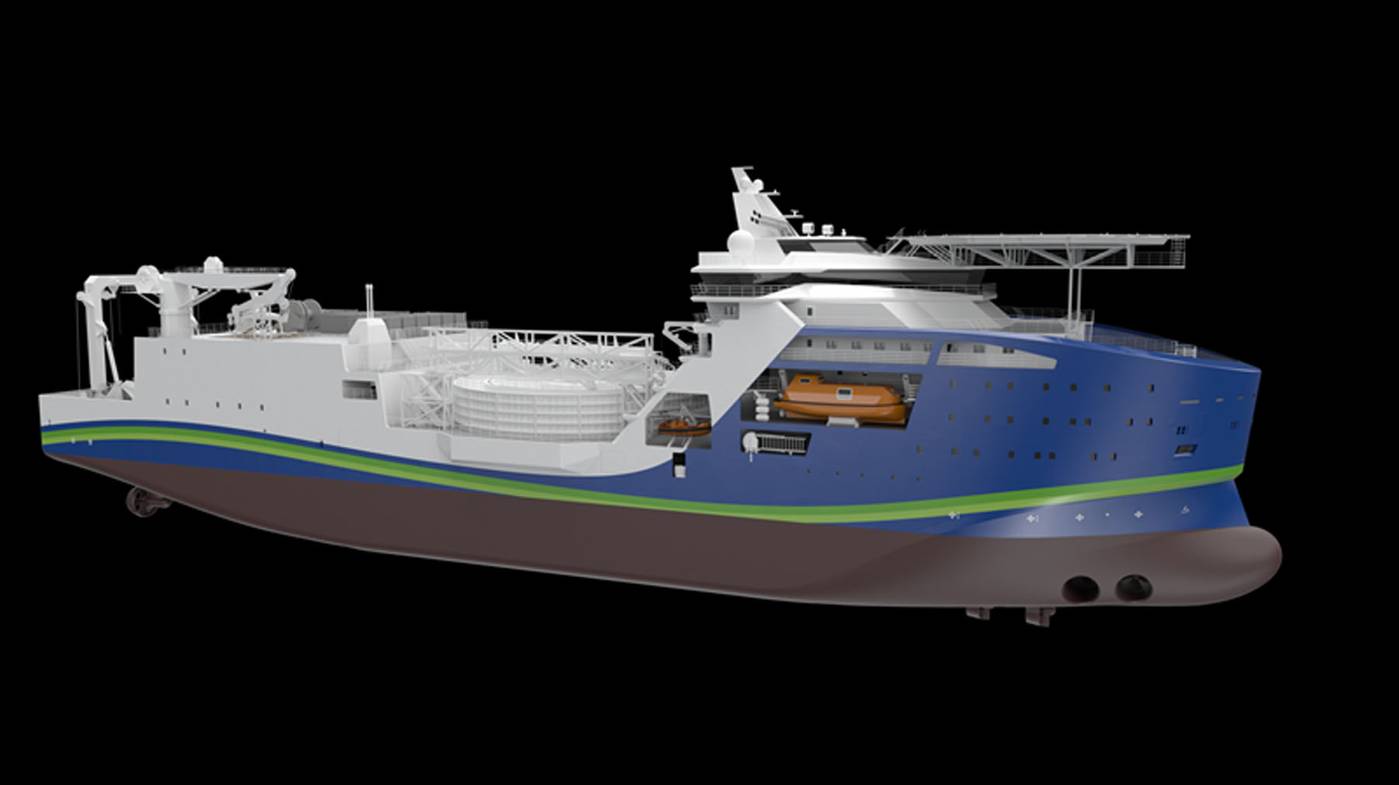
Japan’s NYK Line completed the basic design of a new long-distance subsea cable-laying vessel intended to support the development of Japan’s future high-voltage direct current (HVDC) transmission network, marking a key milestone in a national effort to strengthen offshore renewable energy infrastructure.
The vessel’s design recently received General Design Approval (GDA) from classification society ClassNK.
The project is part of Japan’s broader push to build an efficient subsea power transmission system capable of transporting electricity generated by offshore wind farms to major demand centers onshore. Long-distance subsea DC transmission — supported by specialized cable-laying vessels capable of jointing and burial operations — is seen as a critical component of that strategy.
The vessel design work is being conducted under Japan’s RIGHT Project, a research initiative led by New Energy and Industrial Technology Development Organization aimed at advancing high-voltage direct current transmission technologies for renewable energy integration.
Within the program, NYK is part of a four-company consortium that includes Sumitomo Electric Industries and Furukawa Electric. The partners are working to develop advanced cable protection methods as well as specialized vessels capable of installing subsea transmission infrastructure suited to Japan’s unique coastal and offshore conditions.
In 2024, the concept received Approval in Principle (AiP) from ClassNK, confirming the feasibility of the design. The newly granted GDA represents the next phase, validating the basic design against classification rules before a final ship construction decision.
Seatrium Delivers Next-Gen WTIV Newbuild to Maersk Offshore Wind

Singapore-based Seatrium has delivered a next-generation wind turbine installation vessel (WTIV) to Maersk Offshore Wind, following the completion of sea trials and final readiness evaluations.
The custom-engineered vessel is designed to install 15+ MW-class offshore wind turbines and is equipped with a 1,900-tonne main crane featuring a 180-metre hook height.
The construction program included heavy-lift operations, full system integration and validation by international classification societies.
The WTIV features a feeder-based installation design with a stabilizing system that holds feeder vessels during component transfer, even in high sea states.
Seatrium said this configuration extends the operational weather window and reduces installation time and costs. The solution is U.S. Jones Act compliant and can be deployed in other regions.
The vessel is scheduled to sail in March 2026 for its first assignment at the Empire Wind project offshore New York, where it will support the installation of turbines intended to supply electricity to 500,000 homes.
Freire Shipyard Inks Deal for Four Naval Support Ships

Freire Shipyard signed a contract with the Swedish Defense Materiel Administration (FMV) to construct four new vessels for naval support missions. The ships will be 47m long, capable of reaching speeds of up to 12 knots and offering an endurance of up to 10 days, with accommodation for 16 crew members.
The vessels will mount two main cranes on the main deck, as well as an auxiliary crane for supplies, which will permit fully autonomous loading and unloading operations. A stern ramp will allow the onboarding of wheeled cargo.
Propulsion in based on a diesel-electric system, with four variable speed generators and direct current distribution systems to enhance fuel efficiency and reduce emissions, meeting the highest environmental standards. These vessels will be able to navigate in ice conditions and built to withstand harsh weather conditions. Azimuth fixed pitch propellers and bow thrusters will provide a smooth maneuvrability.
Nam Cheong Inks $64.5M Deal to Build Four OSVs

Malaysia-based offshore support vessel (OSV) builder Nam Cheong has secured shipbuilding contracts worth $64.5 million from a UAE-based global energy maritime logistics company for the construction of four offshore support vessels, marking its first newbuild contract win in over a decade.
The order comprises two dive support vessels (DSVs) and two 60-meter remote operated landing crafts (ROLC), with deliveries scheduled between the second half of 2027 and early 2028. All four vessels will be constructed at Nam Cheong’s Miri Yard in Sarawak, Malaysia.
The two ROLCs will be the first vessels of their kind to be built, according to the company. They will be fully unmanned and remotely operated via satellite connection from shore, equipped with auto docking capability and based on a remote-control system developed by SeaOwl Group.
Nam Cheong said the contract signals a resurgence in demand for its shipbuilding activities after more than 10 years without a newbuild award.
AET Orders Hybrid Electric Dynamic Positioning Shuttle Tanker
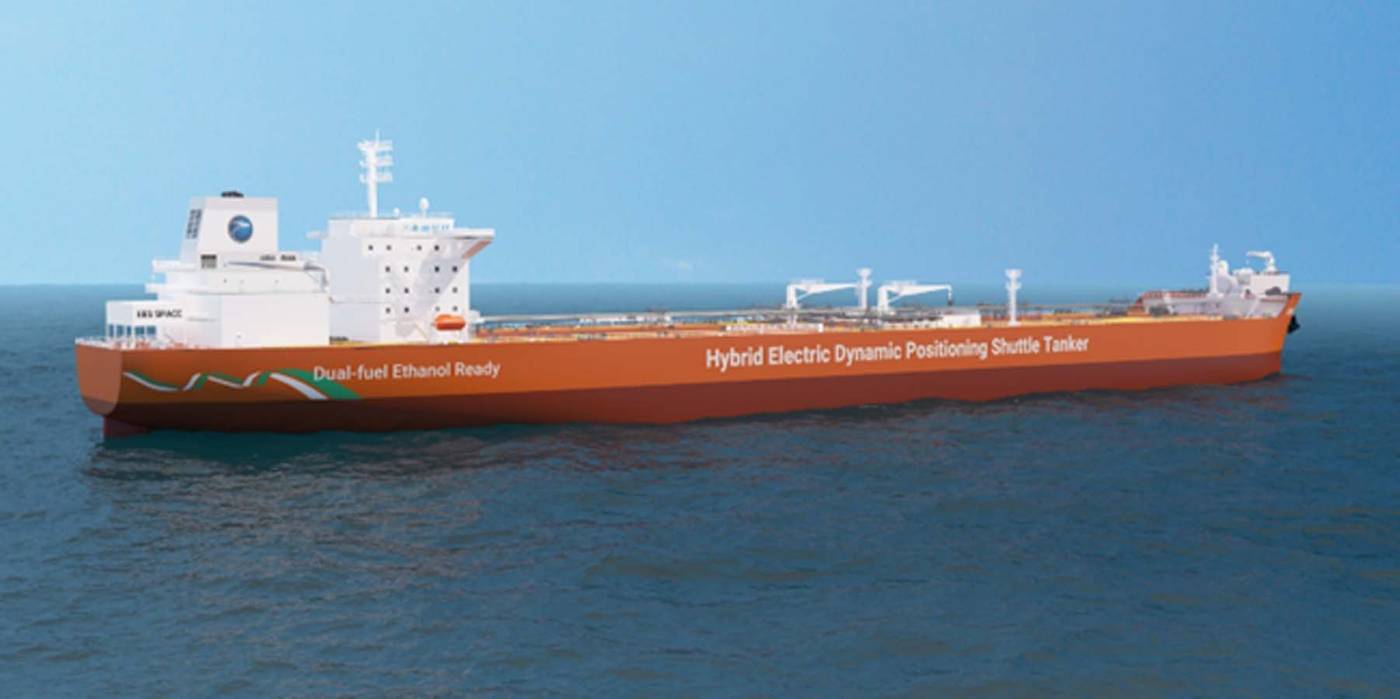
AET signed an agreement for its first hybrid electric Dynamic Positioning Shuttle Tanker (DPST), designed to be dual-fuel, lower-emissions-ready and secured on long-term charter.
AET operates one of the world’s largest DPST fleets, with 17 vessels deployed across Brazil and Norway, and further growth planned. With dual-fuel capability across all tanker segments, the addition of hybrid electric propulsion further broadens lower-emissions optionality for customers while enhancing competitiveness.
The agreement was signed with Dalian Shipbuilding Industry Corp. for the construction of a 154,000-dwt Suezmax DPST equipped with an Electric Energy Storage (EES) system and designed to be dual-fuel ethanol-ready, with projected delivery in 2028.
Sallaum Lines Receives MV Ocean Legacy

Sallaum Lines reveals the delivery of MV Ocean Legacy, the latest Pure Car and Truck Carrier (PCTC) to join its Ocean Class fleet, arriving just one month after putting MV Ocean Explorer into service. The arrival of this next-generation vessel underlines the pace of the company’s Ocean Class Program and reflects a clear strategic focus on modern tonnage, improved efficiency, and lower-impact maritime operations.
Built at China Merchants Jinling Shipyard (Jiangsu) co. ltd., MV Ocean Legacy measures approximately 199.9 meters in length and 37.7 meters in breadth, with a car-carrying capacity of 7,400 units distributed across 13 cargo decks. The vessel is equipped with LNG storage capacity ranging between 36 and 37.8 tons, ensuring extended endurance and reduced emissions during long-haul voyages.
The vessel integrates contemporary LNG dual-fuel propulsion and energy-efficient design solutions that go well beyond regulatory requirements. These technologies enable a significant reduction in greenhouse gas emissions and other air pollutants, while enhancing operational reliability and fuel flexibility.