
It’s Time to Rethink Watchkeeping
Push to Cut Carbon Intensity Embedded in Operational Metrics
LEO Satellite NetworksSupporting maritime safety, efficiency and innovation
Klaveness & Shipping’s Digital MoveIngrid Kylstad, Managing Director, Klaveness Digital
InsightsFMD Leverages Robotics, Additive Manufacturing to Help Keep USN Sailing
Tech ReportHull Cleaning Robots
Image courtesy UKHO
table of contents
-
 Copyright Oleksandr/AdobeStock
MARPOL Redux: Look Back, because Something may be Gaining on Us
Amidst the IMO sustainable fuel regulation highs and lows there are other parts of the maritime regulatory environment that may warrant a closer look.
-
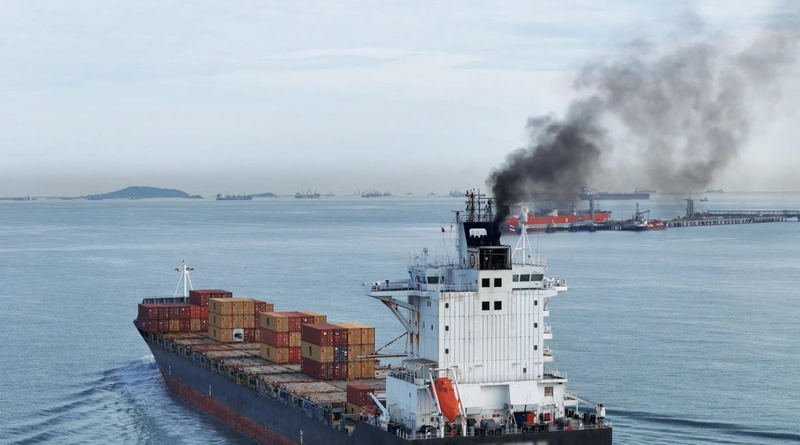
Preparing for the Next Wave of Carbon Intensity Requirements
A profound wave is approaching the maritime industry. It is not a single regulation or isolated rule, but a coordinated global push to measure, manage, and ultimately reduce the carbon intensity of vessel operations. What once felt like a distant environmental objective is now embedded in operational performance metrics, inspections, and long-term fleet strategy.
-
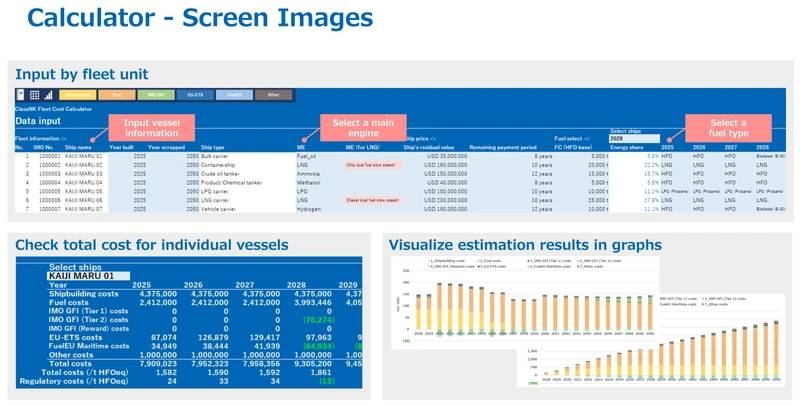 Image courtesy ClassNK
Fuel Transition: Emissions Targets and Cost Management
ClassNK’s Fleet Cost Simulation service is reducing the heavy burden on shipping companies attempting to estimate the costs of transitioning to low- and zero-emission operations.
-
 Copyright helivideo/AdobeStock
When the Climate Becomes a Cargo Risk
Rising temperatures and humidity are increasingly compromising cargo integrity during transit, making prevention essential for operational resilience.
-
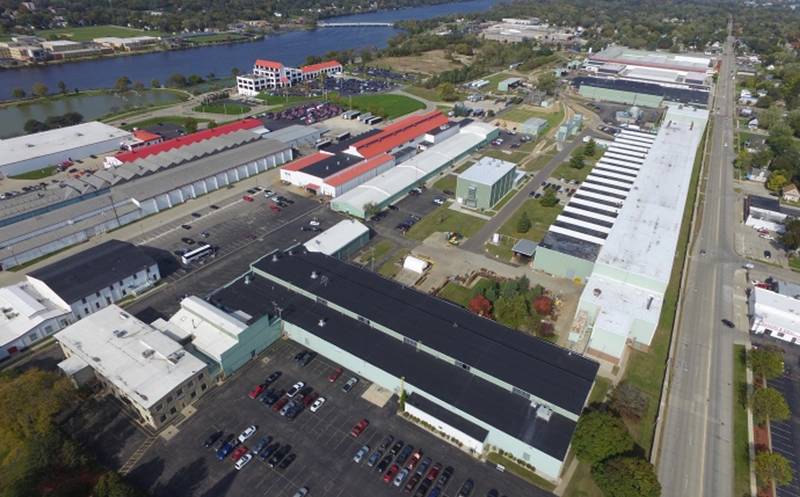 Credit: Fairbanks Morse Defense
FMD Leverages Robotics, Additive Manufacturing to Help Keep USN Sailing
When Steve Pykett stepped into the role of CEO at Fairbanks Morse Defense (FMD) in May 2025, he inherited a business with deep roots in U.S. naval propulsion, and a mandate that extends well beyond engines. Today, FMD sits at the center of a shifting defense-industrial landscape, where readiness, sustainment, and speed of response increasingly matter as much as new construction. Pykett and Nirav Patel, FMD’s Nuclear Navy Segment Director, recently sat with Maritime Reporter & Engineering News to outline how the company is positioning itself to support the evolving needs of the United States Navy and the United States Coast Guard.
-
 Image courtesy Klaveness Digital
Klaveness Facilitates Shipping’s Digital Move
For much of its modern history, shipping has relied on experience, instinct and relationships as much as data. Decisions were – and in many cases still are – informed by spreadsheets, phone calls, intuition and experience built over decades. Today, that foundation is being reshaped by digital tools designed to bring clarity, visibility and confidence to some of the industry’s most complex challenges.
-

Time to Rethink Watchkeeping
It’s time to consider the role of “digital watchkeepers” as the become an increasingly complex tool for bridge teams.
-
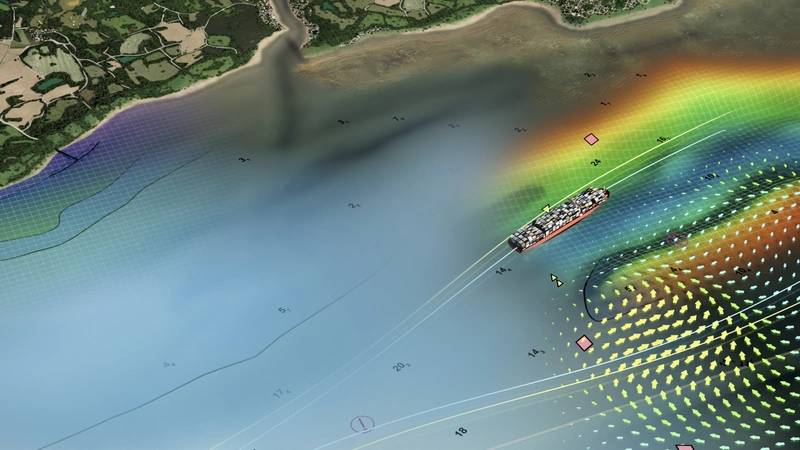 Image courtesy UKHO
LEO Satellite Networks
Supporting maritime safety, efficiency and innovation
-
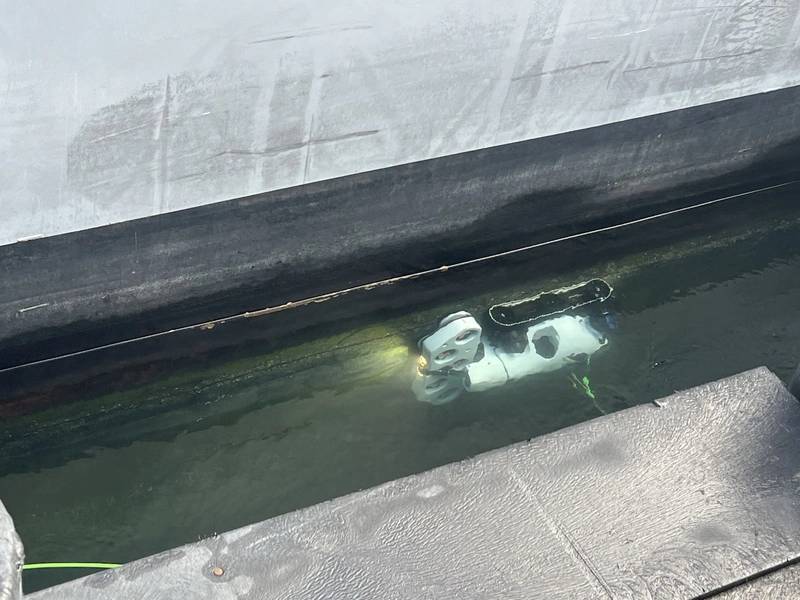 Image courtesy U.S. Army Colonel Rachael Hoagland
Rise of the Hull Robots: Maritime’s Quiet Efficiency Revolution
For centuries, shipowners have fought a persistent enemy beneath the waterline: biofouling. Today, the convergence of robotics and digitalization have delivered a new class of underwater robotics aiming to dramatically increase human safety and hull cleaning efficiency, helping to reduce hull drag and fuel costs.
-
 Copyright OrangRobot/AdobeStock
Why Scope 3 Emissions is a Procurement Concern
As alternative fuels and efficiency measures reduce operational emissions, a growing share of shipping’s carbon footprint is more than just fuels. Procurement-related emissions are fast becoming one of the industry’s challenges.
-
 Photo courtesy Fincantieri
Vessels
New Delivers, Orders, Designs & Concepts
-
 Image courtesy Mitsubishi Shipbuilding
New Tech
Latest Products, Systems and Concepts