The Future
Wind-Assisted Propulsion
WAPS: Making the Wind Blow for Shipping’s Decarbonization
In the evolving landscape of maritime decarbonization, few subjects are as timely or arguably as misunderstood as wind-assisted propulsion. Yet the shipping industry finds itself at a decisive moment, driven by regulatory tightening, customer expectations for greener supply chains, and an urgent need to manage escalating fuel costs. Wind-assisted propulsion systems (WAPS), and wingsails in particular, are no longer speculative technologies. They are proven, available, and scalable solutions ready to meet the moment, writes
Dr. Lee Kindberg, previously Head of Environment and Sustainability for AP Moller-Maersk (Maersk) in North America, and now a board member at WAPS manufacturer, OceanWings.
Most global shipping companies have long-term multi-faceted strategies to reduce both carbon footprint and other environmental impacts, and for example, container vessels have made significant improvements in efficiency (transport work) since 2005. Their tactics have evolved over the 20+ years since customers initially approached container shipping companies to find ways to measure, report and reduce the carbon footprint of their shipments. In this sector, much of the "low hanging fruit" has already been harvested. This includes larger vessels, a variety of energy efficiency retrofits and technologies, and operational changes like slow steaming.
In the last few years shipping companies have built vessels designed from the beginning to operate on cleaner fuels like LNG and methanol at high efficiency and low carbon footprint. They have implemented IT approaches to optimize routing, speeds, drafts and other criteria. Now with IMO’s new performance criteria and reporting, and with the EU’s FuelEU Maritime and Emissions Trading System, more sophisticated engine modifications and data systems are in the works, as are new low carbon fuels and operational measures like just-in-time arrival and shore power.
Reduce Fuel & Carbon
Technologies and operational approaches that reduce fuel consumption also reduce environmental impacts. This is especially true for decarbonization, since fuel savings and low carbon fuels translate directly into reduced greenhouse gases. Wind-assisted propulsion systems reduce the fuel required for voyages and can be retrofitted to existing vessels or installed on new builds. WAPS have the potential for some of the largest savings available to ship owners and operators.
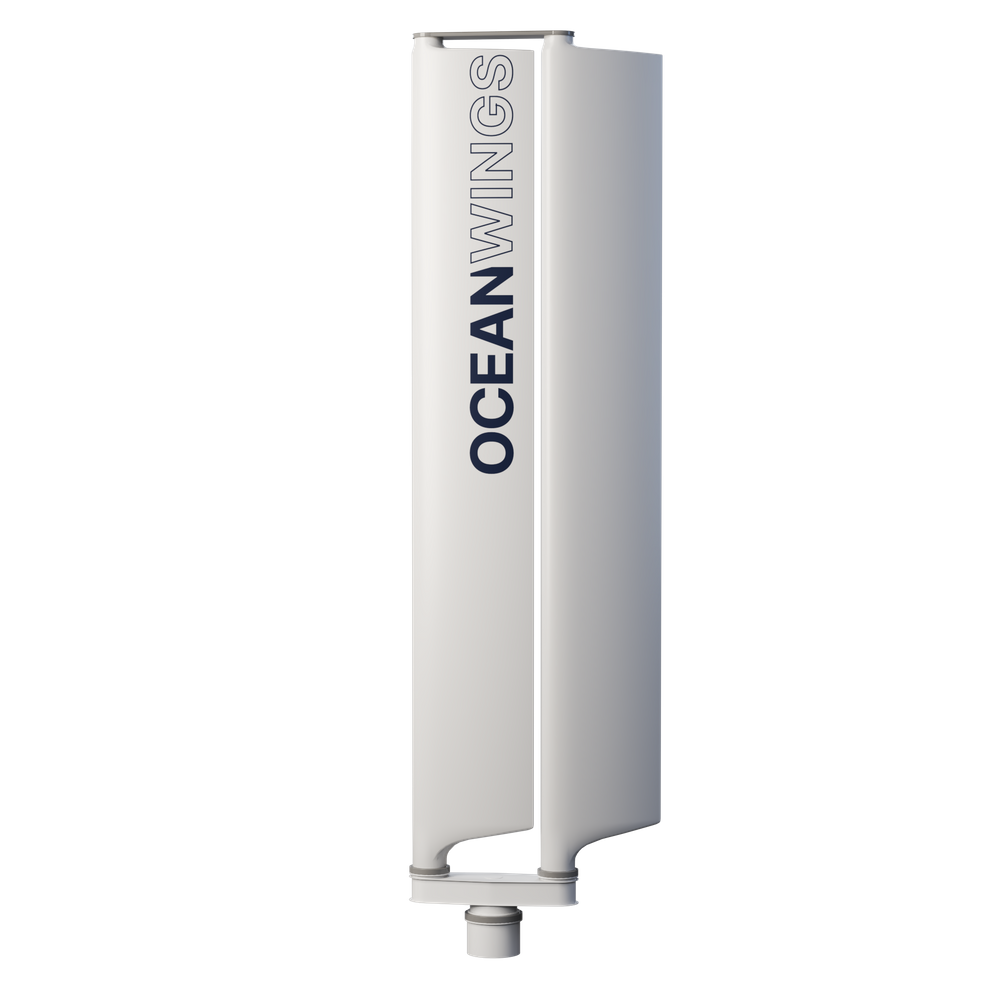
Current and emerging regulations, regional fuel taxes, and carbon prices increase fuel costs for shipowners and operators. New technologies like wingsails are delivering significant fuel savings: as much as 35% in recent real-world fuel studies with OceanWings. As vessels adopt more costly low carbon fuels, achieving fuel savings becomes even more important. The more expensive the fuel, the more money the ship owner can save, and the faster the investment payback. The Canopée vessel’s two-year operational results demonstrated consistent fuel savings of up to 2.2 tonnes per day per wingsail, and 99% wingsail uptime. These are not theoretical models but validated data from daily commercial use, establishing wind propulsion as one of the most effective tools available today.
Any addition of a major new technology requires a change in thinking, in planning and in operational execution. Vessel performance with wingsails can be enhanced with better understanding and use of wind patterns, waves, draft and routing. New training is needed for mariners, shore personnel and Coast Guard. New or modified data systems will also be needed, and experience sharing will become essential as more vessels adopt technologies like wind-assisted propulsion systems.
Demo Tech to Fast Track Adoption
Establishing credibility is a very important factor in the early days of a technology’s introduction. One powerful way that ports, governments and other entities can encourage adoption of new technologies is by establishing technology demonstration programs. A structured technology demonstration program can accelerate adoption by bringing together stakeholders, vessel operators and technology providers, and assisting them in finding financing, technical support and interpretation and communications of the results.
Incentives programs such as those based on the Environmental Ship Index (ESI) and other regional and port programs can also be very impactful. These incentives may include small or larger monetary incentives, recognition of innovation and results, technology demonstration support grants, or ways to assemble collaborative groups to spread both risk and knowledge in early development phases. The new ESI 2.0 is expected to recognize innovative technologies, and new IMO regulations are structured to reward those who innovate or simply use less fuel.
Early movers do need additional support and flexibility. For later stages programs can become more standardized or integrated into regular incentive structures to encourage those second and third movers. In some cases, it actually takes regulation to get the more conservative stakeholders to take action. Any new technology also brings new challenges in safety standards, risk management and insurance. A process to put all these together promptly can facilitate implementation and avoid delays or unplanned costs. Again, this is particularly important at the first mover stage.
Class Developments
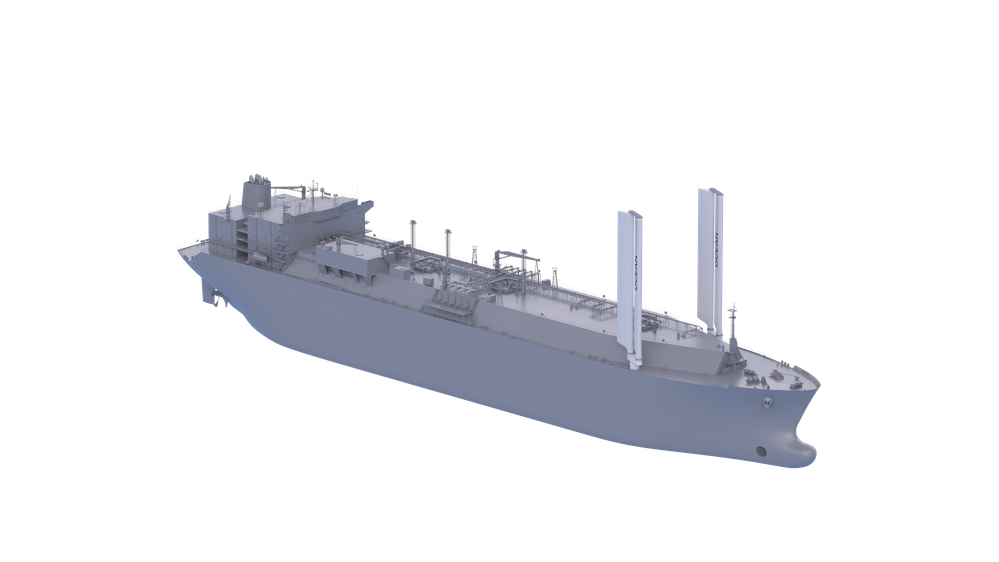
Classification societies are instrumental in bridging the gap between innovation and commercial deployment, and it's encouraging to see many WAPS companies making steady progress through constructive engagement with these bodies. Without formal recognition from class, even the most promising technologies can stall. That is why the recent Type Approval Design Certificate (TADC) awarded to OceanWings by DNV represents a key milestone for the WAPS sector.
This certification confirms that the design of the rigid OceanWings system, in both its tiltable and fixed configurations, meets DNV’s rigorous technical and regulatory standards for safety, reliability, and operation. It provides shipowners, yards, and flag states with a streamlined path to implementation. It removes ambiguity, simplifies documentation, and de-risks decision-making for those looking to integrate wind power into their fleets.
The certification is a clear signal that wingsails are not a future concept, but a ready-now solution prepared to scale across global fleets. The technology is one of few that are ready to transform ship propulsion in the search for fuel consumption savings, compliance and financial security.
About the Author
Dr. Lee Kindberg
Dr. Lee Kindberg is a maritime environmental expert, former Maersk executive, OceanWings board member and consultant at Starcrest, advising on port sustainability and decarbonization initiatives with international regulatory and industry bodies.