Digitalization
Recruitment & Retention
Crewed Up, Not Crew Cut: How ARC Is Rethinking Retention at Sea
By Chris Heibel, COO, American Roll-On Roll-Off Carrier (ARC)
ARC Liberty.
Image courtesy ARCFor the last few decades, the U.S. maritime industry has faced a slow-burning situation: few ships, an aging mariner workforce and too little visibility into what it takes to sustain both. In the aftermath of COVID-19, that challenge grew more urgent. Globally, ships that once had their pick of licensed officers suddenly found themselves short-crewed and companies like American Roll-On Roll-Off Carrier (ARC) had to rethink what retention and recruitment meant in practice as a matter of national capability.
ARC operates the largest U.S.-flag roll-on/roll-off fleet in international trade, carrying heavy vehicles, equipment and personal property for the U.S. military and various government agencies. That means crewing our vessels with American mariners is a fundamental aspect of America’s sealift readiness, as well as commercial strength.
As the global shutdown rippled through supply chains, an aging workforce accelerated its retirement plans. Many countries restricted shore access, which made an already challenging lifestyle even more difficult. Every billet was at risk. Companies had to look beyond quick fixes and ask what would make people want to serve aboard vessels.
For ARC, our answer began with quality of life. Pay will always matter, but for today’s mariners, connection matters just as much. Internet access, digital training and meaningful contact with family and shoreside staff are baseline expectations rather than a perk of the job.
Recognizing that, we invested heavily in digital infrastructure to turn those expectations into reality. Each ARC vessel can now move up to five terabytes of data per month through its onboard systems. This bandwidth strengthens the community through virtual meetings, compliance training and streamed movie nights, fostering connection and belonging across the fleet.
The return on that investment is measurable. Crew turnover has declined, repeat assignments have increased and ships are operating with greater consistency. The investment in connectivity is returned many times over by the savings from retaining existing, trained crewmembers. This is especially important because U.S. warfighters and our allies depend on these mariners to carry military cargo. Retention means these critical missions are handled by seasoned professionals rather than newly trained crews learning on the job.
From a compliance standpoint, there is another benefit: smoother operations, clearer communication and a stronger culture of accountability.



ARC @ a recent SUNY Maritime Career Fair.
Image courtesy ARC
ARC Commitment in Baltimore.
Image courtesy ARC
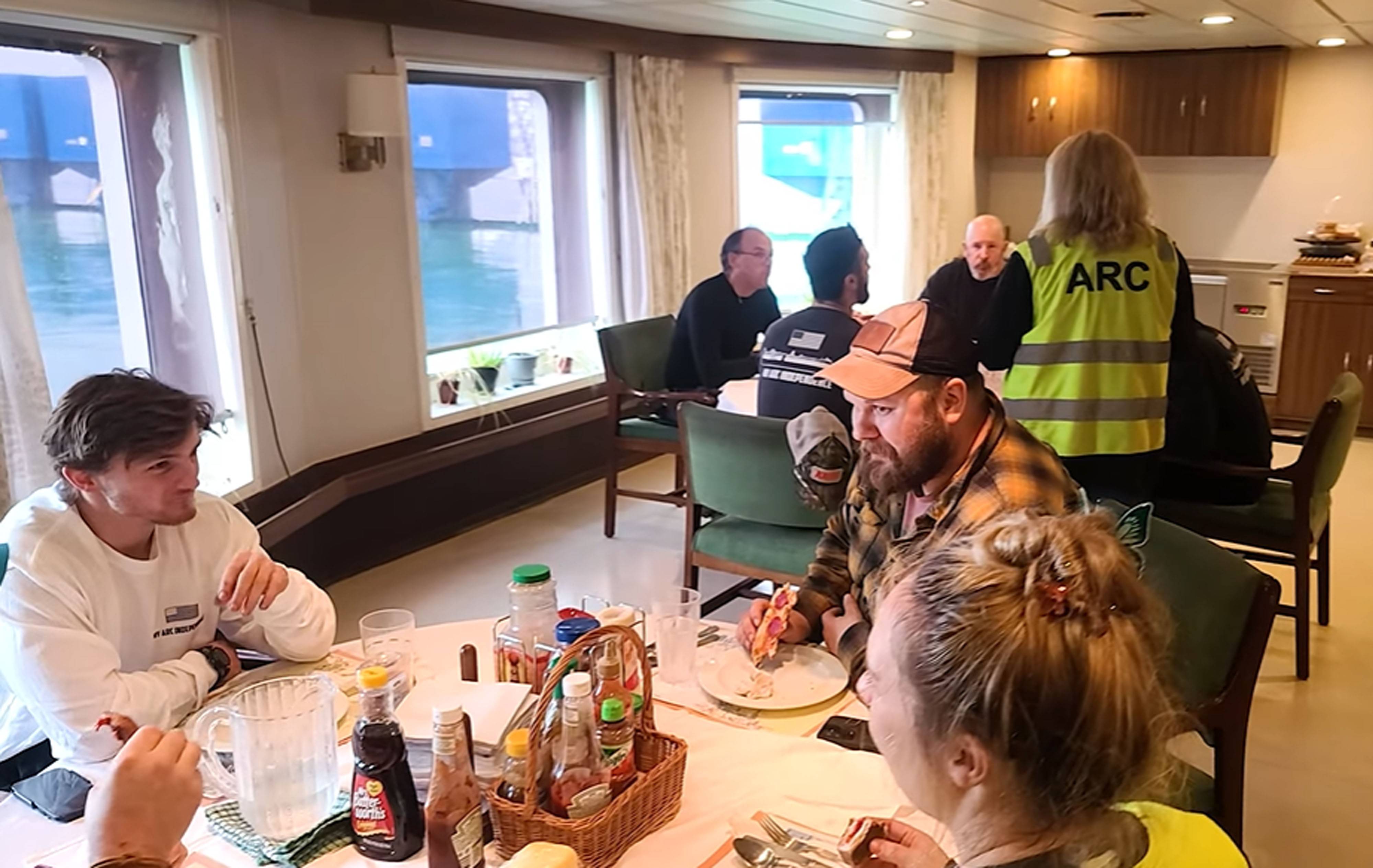
Mess Hall Aboard the ARC Independence.
Image courtesy ARCRetention begins long before a mariner steps aboard. That’s why our officers and union partners are speaking not only at maritime academies but also in high school guidance counselor sessions and community career events. The American Maritime Officers, in particular, have been great leaders on this front.
For too long, maritime careers have been invisible to young Americans. The narrative must shift to affirm its role as a modern avenue for global service and technical expertise.
When we visit the academies, we show authentic videos of life aboard our vessels. We also bring cadets and junior officers to our biannual Key Ship Officer Conferences to engage and inform mariners.
Our ships carry U.S. military cargo under the bedrock maritime readiness programs, the Maritime Security Program and Voluntary Intermodal Sealift Agreement. The work is serious, but so is the pride that comes with it.
The urgency of building and sustaining an American maritime workforce is echoed in Congress and with President Donald Trump. After decades of relative neglect, these leaders see the opportunity for a “once-in-a-generation investment” in U.S.-flag shipping, domestic shipyards and the maritime workforce. Lawmakers from both parties agree that expanding cargo opportunities and supporting the nation's fleet and mariners who crew these vessels are crucial for our security and prosperity.
These emerging policy frameworks reinforce a practical truth: people are the enduring strength of maritime power.
What we’ve learned at ARC aligns with this policy vision: rebuilding a sustainable U.S.-flag fleet requires investment in both hulls and humans. Adding ships without growing the cargo base and ensuring we have qualified mariners is like building runways without pilots or passengers. We must solve this problem, especially if the United States is to maintain its strategic sealift capability and ensure that U.S.-flag carriers continue to deliver for the Department of War, other government departments and agencies such as the Export-Import Bank, and commercial clients alike.
ARC’s experience demonstrates that when companies meet seafarers where they are, digitally and personally, retention follows. These lessons will guide the maritime sector as we work collectively to chart a sustainable future. Ultimately, national defense and economic security are predicated on a singular foundation: American vessels crewed by American mariners who are proud of their career and are happy doing this hard and rewarding work.
About the Author
Chris Heibel
Chris Heibel leads commercial and operations functions for ARC, informed by a 21-year U.S. Army career, where he rose to and retired as a Colonel.