Rising Shipyard Stars
Ashley Cordiale, Estimator, Detyens Shipyards
Rising Shipyard Stars: Ashley Cordiale's Journey from the Sea to Estimator at Detyens
At Detyens Shipyards in Charleston, South Carolina, Ashley Cordiale is part of a new generation of maritime professionals bridging the gap between engineering, ship operations and the complex business of ship repair.
By Greg Trauthwein
As an estimator, Cordiale plays a pivotal role in ensuring jobs are scoped, priced, and prepared with precision, skills honed starting with her maritime education followed by hands-on experience sailing at sea.
Cordiale grew up on Long Island and set her sights on the maritime industry early. “I went to SUNY Maritime in the Bronx and studied engineering,” she said. “I worked for four years to earn my Coast Guard license, so I figured I might as well sail on it.”
Sail she did—spending five years as an engineer with the U.S. Military Sealift Command (MSC). From 2016 to 2021, Cordiale served aboard a variety of vessels sailing on USNS Robert E Peary (Sept 2016-Aug 2018), USNS Washington Chambers (March 2019-Sept 2020), and USNS Zeus (Dec 2020-May 2021)]. She worked across fuel systems, lube oil systems and water systems, rotating from watch standing to day work. “It was a great time,” she recalled. “I had a lot of fun, and I miss it to this day.”
While sailing gave her valuable hands-on experience, it came at a cost: missed weddings, missed family milestones, and the simple joys of life ashore – a growing lament in the seafaring community. “Eventually, I wanted a life where I could plan ahead and be part of those moments,” she said. Enter Detyens Shipyard, an iconic and long-tenured Charleston, SC-based shipyard.
Cordiale had visited Detyens once before as a crewmember aboard the USNS Robert E Peary in 2018. “I fell in love with Charleston,” she said. “And when one of my best friends from college started working here, it just felt right.” The move from sea to shipyard made sense, and Detyens proved an ideal fit.
From Engineering to Estimating
Today, Cordiale is responsible for scoping and pricing a wide variety of ship repair jobs. Her day-to-day work includes reviewing customer-provided work items, ranging from underwater hull coatings to main engine overhauls, and determining the labor, materials and subcontractors required for each task.
The experience she gained at MSC gives her a crucial advantage. “I’ve worked on the equipment I’m now pricing to repair,” she explained. “I know the systems and the layout of these ships—especially the government vessels—because I lived in those spaces.”
But in maritime, few jobs are done alone, and her transition into the estimating role was guided by mentorship.
“I was trained by a gentleman named Lance, who has since retired,” she said. “He walked me through the process of breaking down work scopes, deciding what the shipyard could handle in-house, and identifying what would need to be subcontracted.”
Cordiale’s first estimating assignment was especially serendipitous: “It was the same ship I had gotten off of three weeks earlier,” she laughed. “I knew the vessel inside and out; it was a perfect first project.”
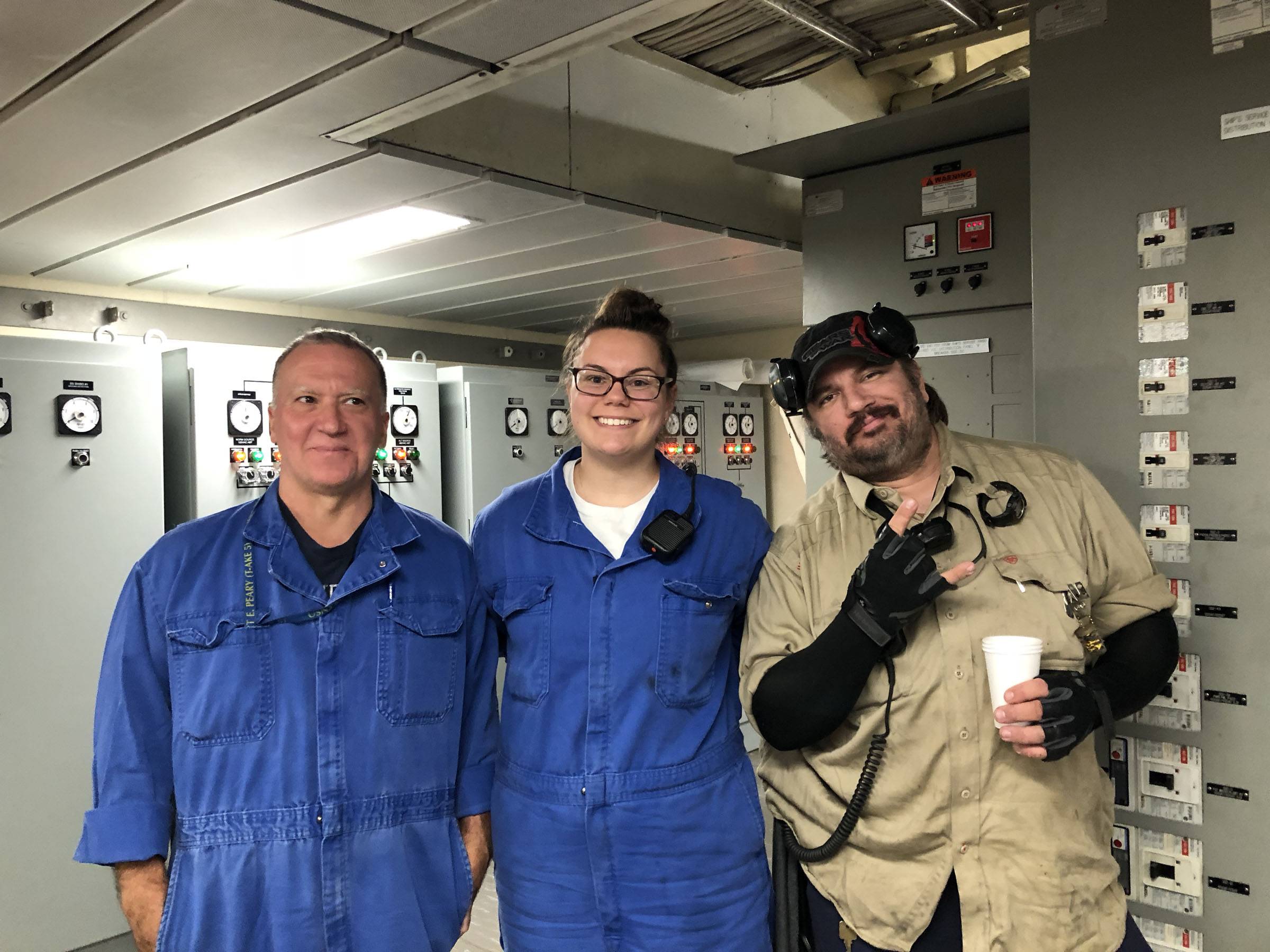
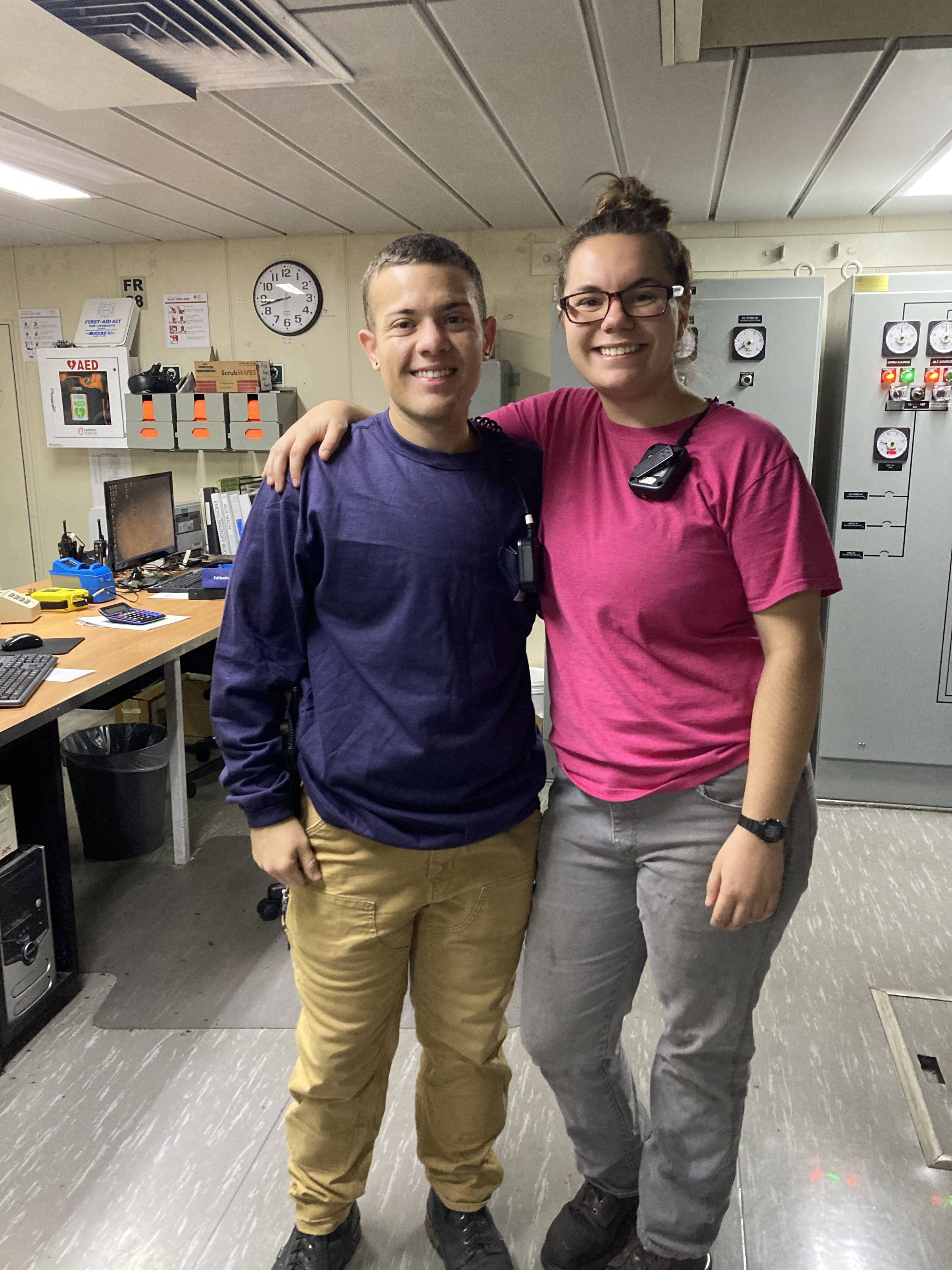
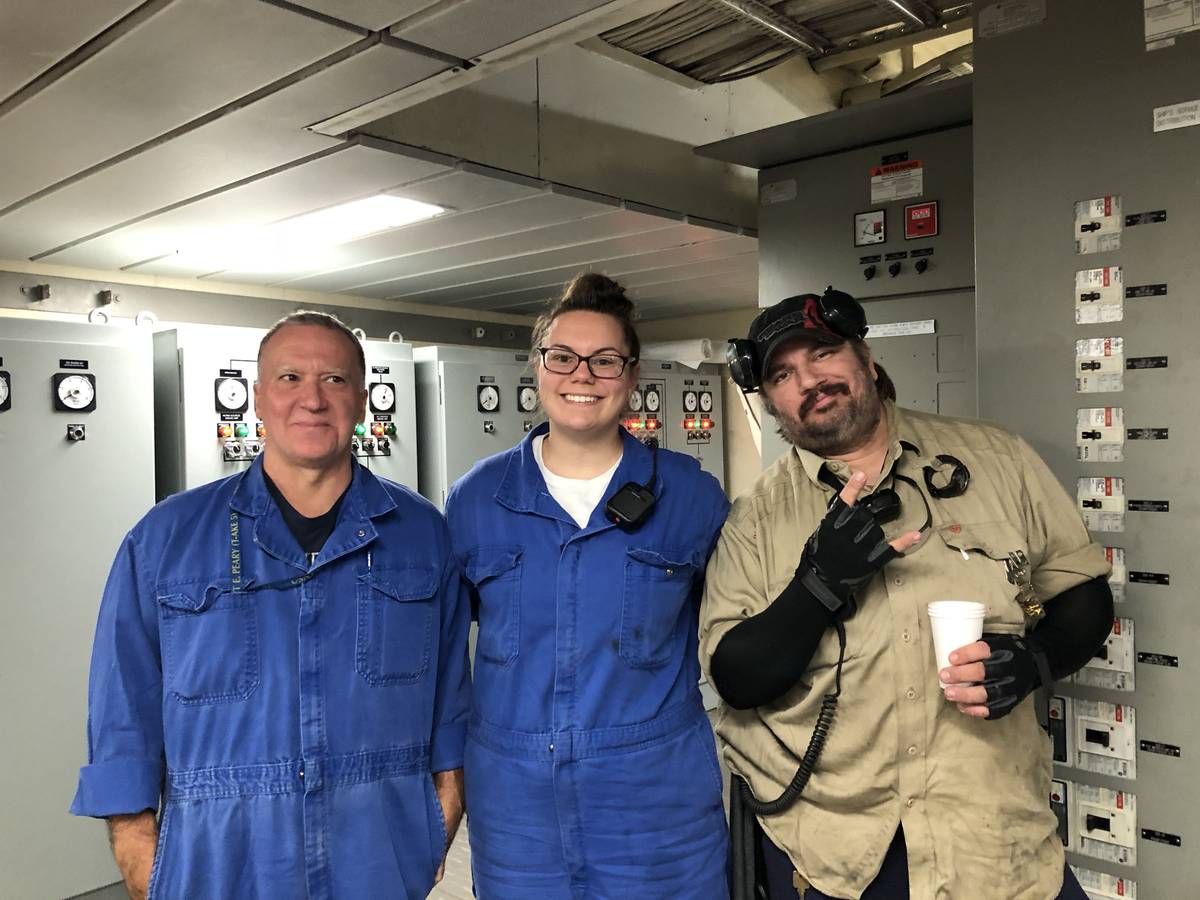
Ashley Cordiale honed her engineering skills sailing for Military Sealift Command, an experience that has greatly aided her in her new Estimating role with Detyen Shipyards.
Image courtesy Ashley Cordiale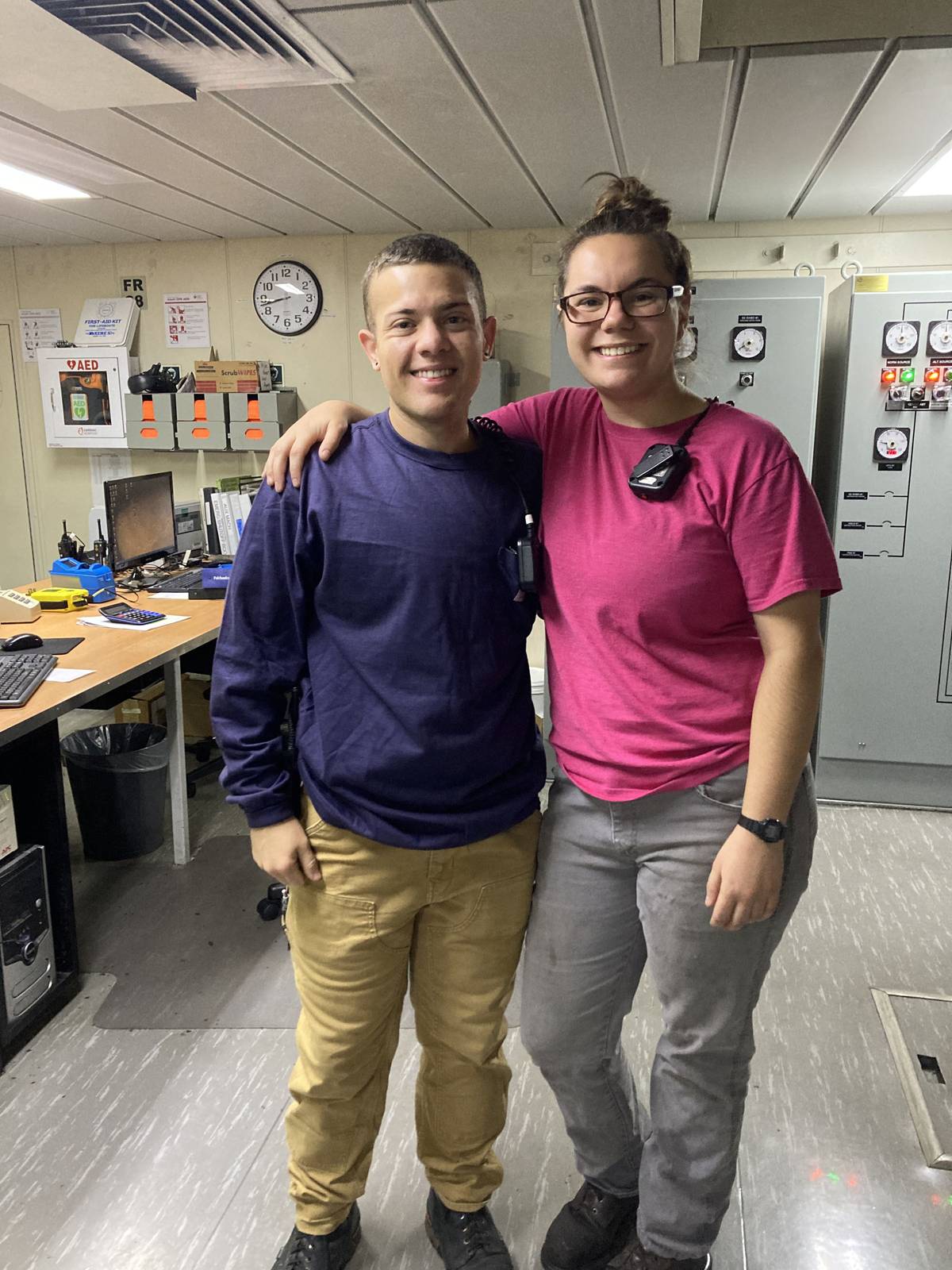
Ashley Cordiale honed her engineering skills sailing for Military Sealift Command, an experience that has greatly aided her in her new Estimating role with Detyen Shipyards.
Image courtesy Ashley Cordiale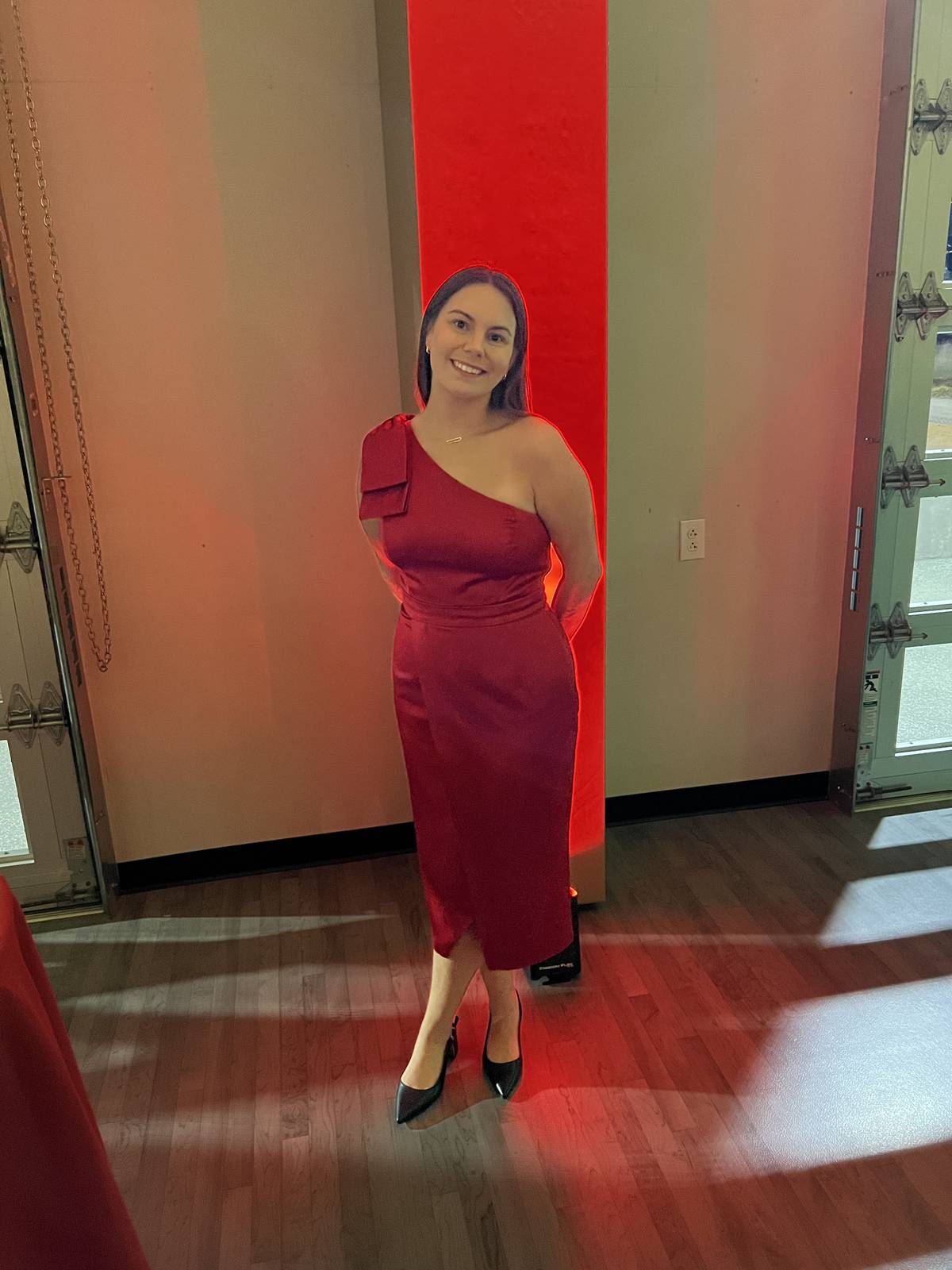
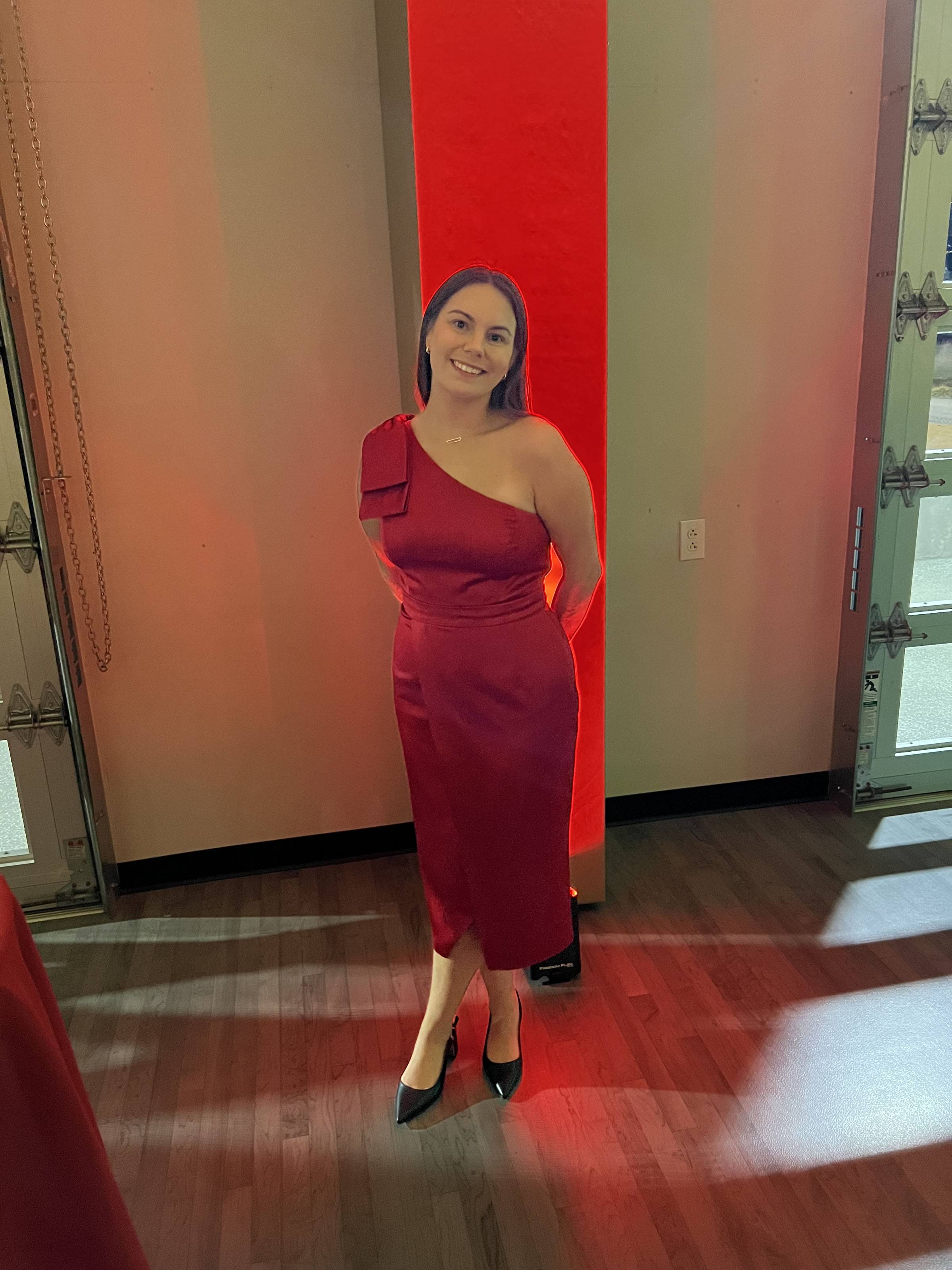
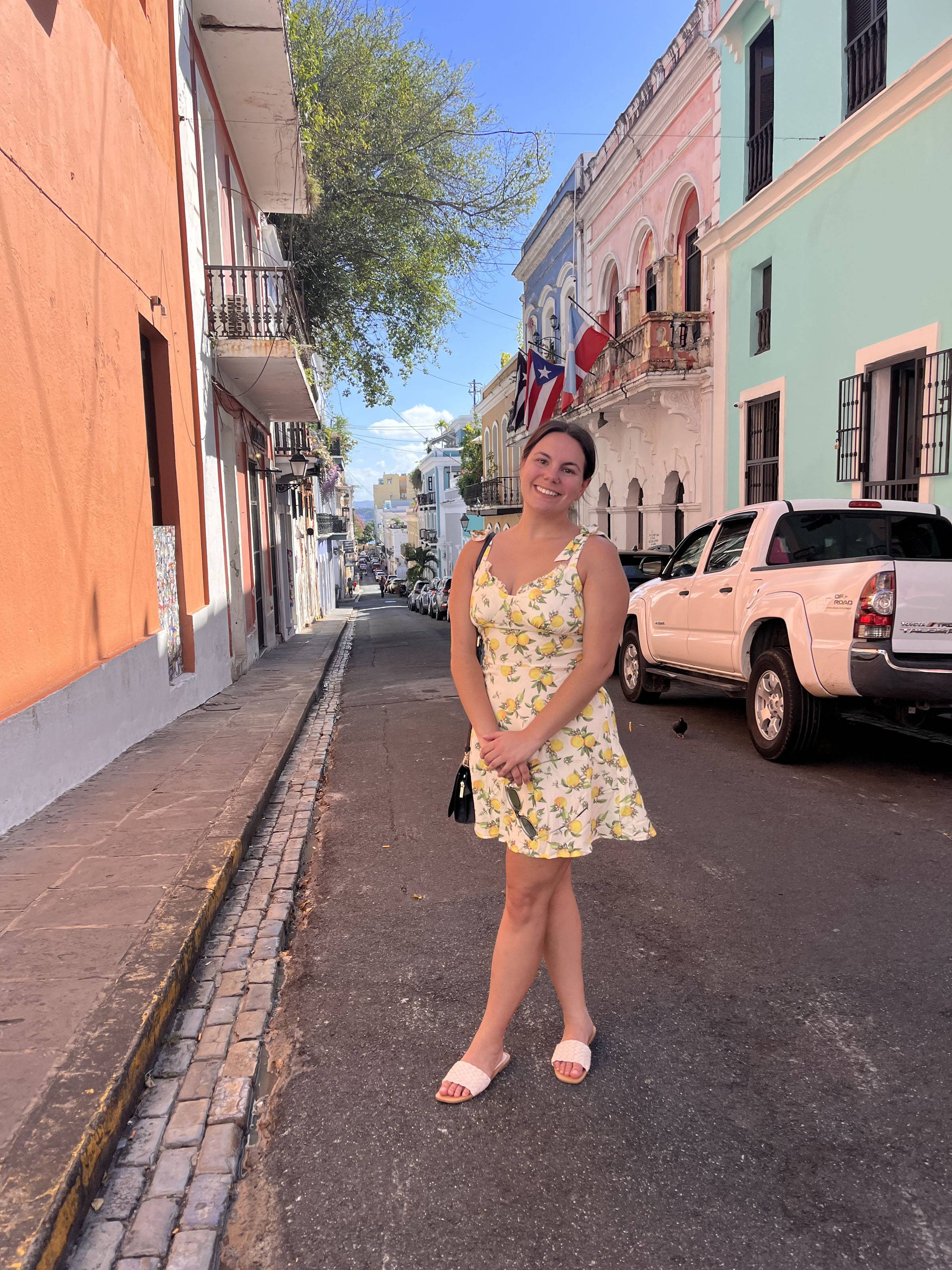
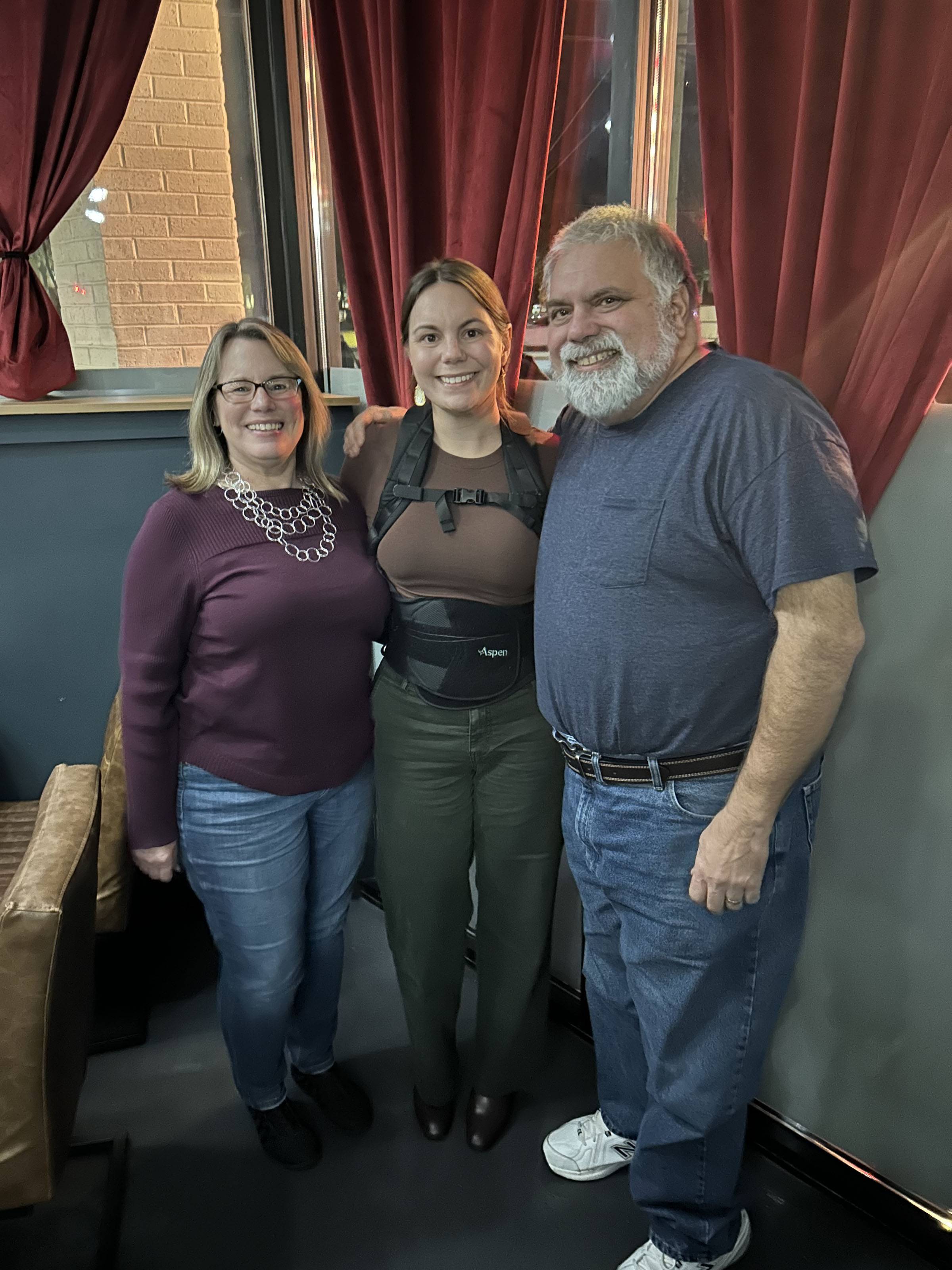
But a life at sea saw Cordiale missing many personal milestone moments, so she opted to come ashore and landed in Charleston at Detyens Shipyards.
Image courtesy Ashley Cordiale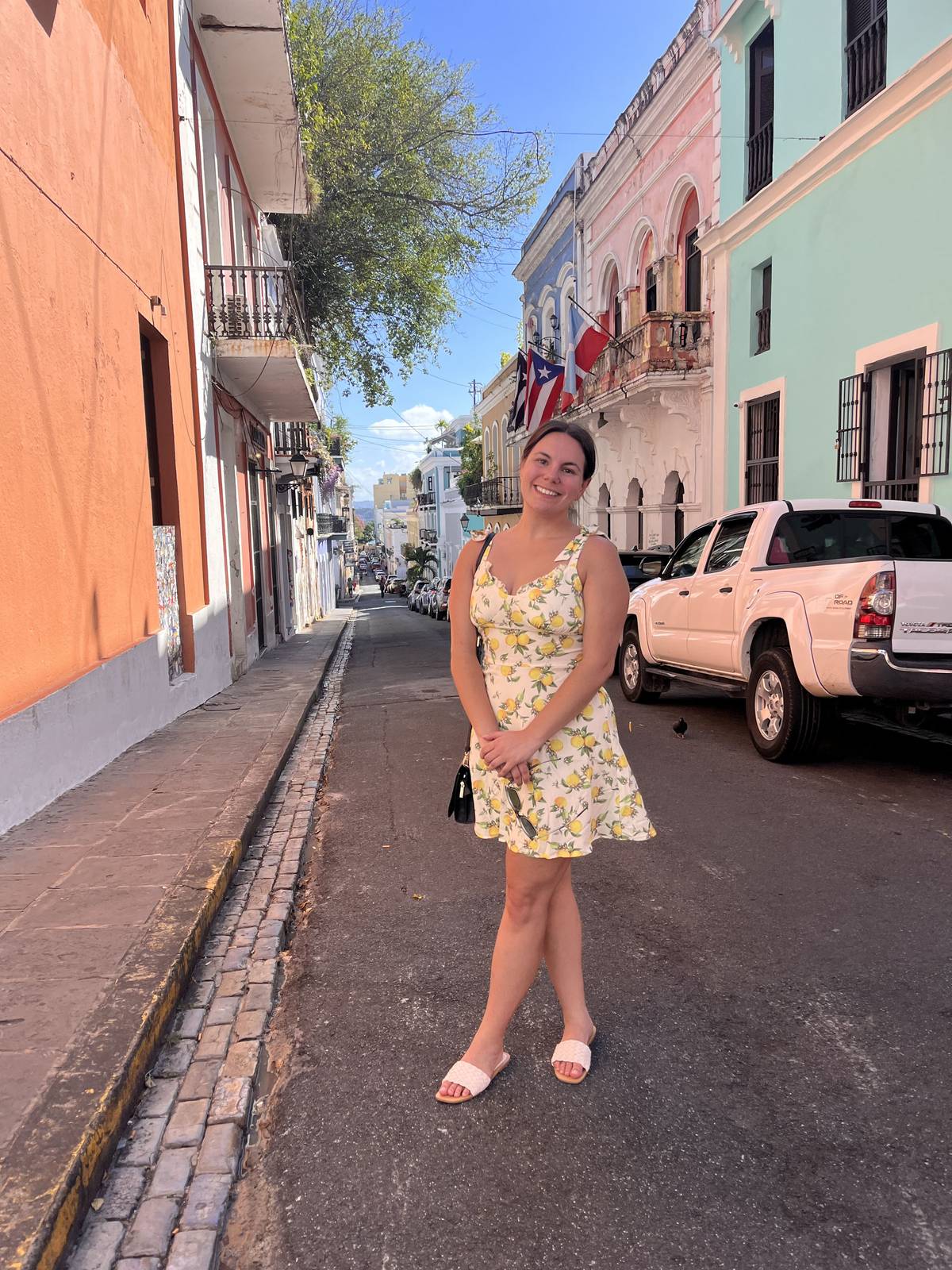
But a life at sea saw Cordiale missing many personal milestone moments, so she opted to come ashore and landed in Charleston at Detyens Shipyards.
Image courtesy Ashley Cordiale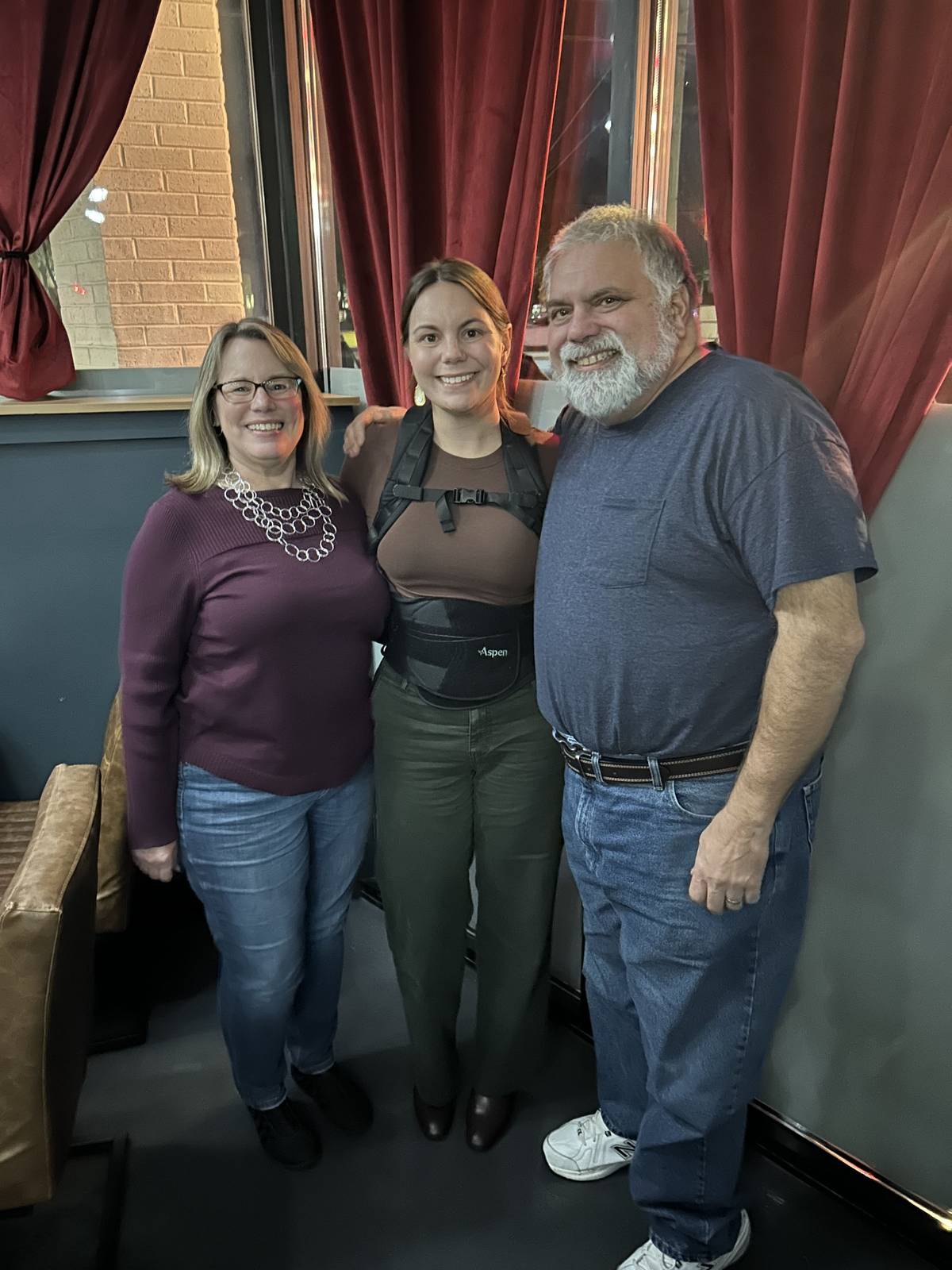
But a life at sea saw Cordiale missing many personal milestone moments, so she opted to come ashore and landed in Charleston at Detyens Shipyards.
Image courtesy Ashley CordialeShip repair is an industry full of unknowns, especially when it comes to older vessels, and in this regard Cordiale emphasizes the importance of clear communication, both internally at the shipyard and with customers. “We rely heavily on them (the customer) to provide accurate drawings, references and system knowledge,” she said. “If they tell us there’s asbestos or lead paint behind a bulkhead, we can plan accordingly. If they don’t, that’s a risk.”
In cases where details are uncertain, her team may designate elements as “price after survey,” allowing for on-the-ground assessments once the vessel arrives.
Whether pricing government or commercial jobs, Cordiale approaches each project with rigor.
“Commercial jobs tend to have tighter turnaround times,” she noted. “For Navy work, I might price something in June for work scheduled the following January. With commercial, they might want the job next month.”
Memorable Projects
Cordiale has already been involved in several high-profile projects. One standout was the arrival of SpaceX’s autonomous drone barge Just Read the Instructions. “It was a really fun job,” she said. “The barge was too wide for our biggest dry dock because of the thrusters, so we had to get creative to make it fit.”
Another recent highlight involved pricing upgrades for a relatively new MSC vessel. “She had only been sailing for about a year, but they were already planning significant modifications,” Cordiale said. “It showed how quickly needs can evolve—even for new builds.”
Emergency dockings also keep things exciting. “We’ve had ships come in with leaking stern tube seals or bent rudders from groundings,” she explained. “When there’s a propulsion issue, time is critical, and we need to move fast.”
The Detyens Difference
Cordiale credits Detyens’ collaborative environment as key to her effectiveness. “If I have questions, I can walk downstairs and talk to the production guys,” she said. “We’ve got experienced welders, painters, and machinists all on site, and even many subcontractors have offices right here in the yard.”
That accessibility, combined with an open-door culture, helps streamline the estimating process. “We all lean on each other,” she said. “Whether it’s a materials question or pricing history, there’s always someone nearby who’s willing to help.”
It’s that culture, combined with her deep experience and engineering background, that makes Ashley Cordiale a rising star in the world of ship repair. With each bid, she brings the insight of someone who’s lived the life at sea, and now ensures ships return to it in fighting form.
Watch the full interview with Ashley Cordiale on Maritime Reporter TV: