Cover Story
Inside Brennan’s Workforce Playbook
Inside Brennan’s Workforce Playbook
For all of the maritime sector’s discussion around infrastructure investment, digital tools, decarbonization and supply-chain resilience, the issue that increasingly sits underneath every one of those conversations is much simpler: people. Without a pipeline of skilled workers, none of the rest gets done. Maritime Matters: The MarineLink Podcast, recently hosted a trio of executives from J.F. Brennan Company (Brennan) – Adam Binsfeld, President Brennan Marine Inc.; Janelle Pogodzinski, Brennan Chief Human Capital Officer, and Justin Scherf, Director, Brennan Underwater Services Group – to take a deep dive into how this 5th generation, family-owned waterborne marine construction powerhouse attracts and retains the personnel it wants and needs to fuel its present and future.
By Greg Trauthwein
The reality of recruitment and retention in the maritime sector is especially sharp, where an aging workforce, fewer young workers entering the trades and rising competition for talent have combined to create a long-term challenge with immediate consequences. It is no longer enough to post a job and wait. Companies now have to recruit earlier, train better, communicate clearer career paths and, just as critically, build a culture strong enough to keep good people once they arrive.
That was the clear message from a recent discussion with a trio of Brennan executives, who offered a practical look at what it takes to recruit and retain workers in a business where the work is hard, the travel can be demanding and the competition for talent is fierce.
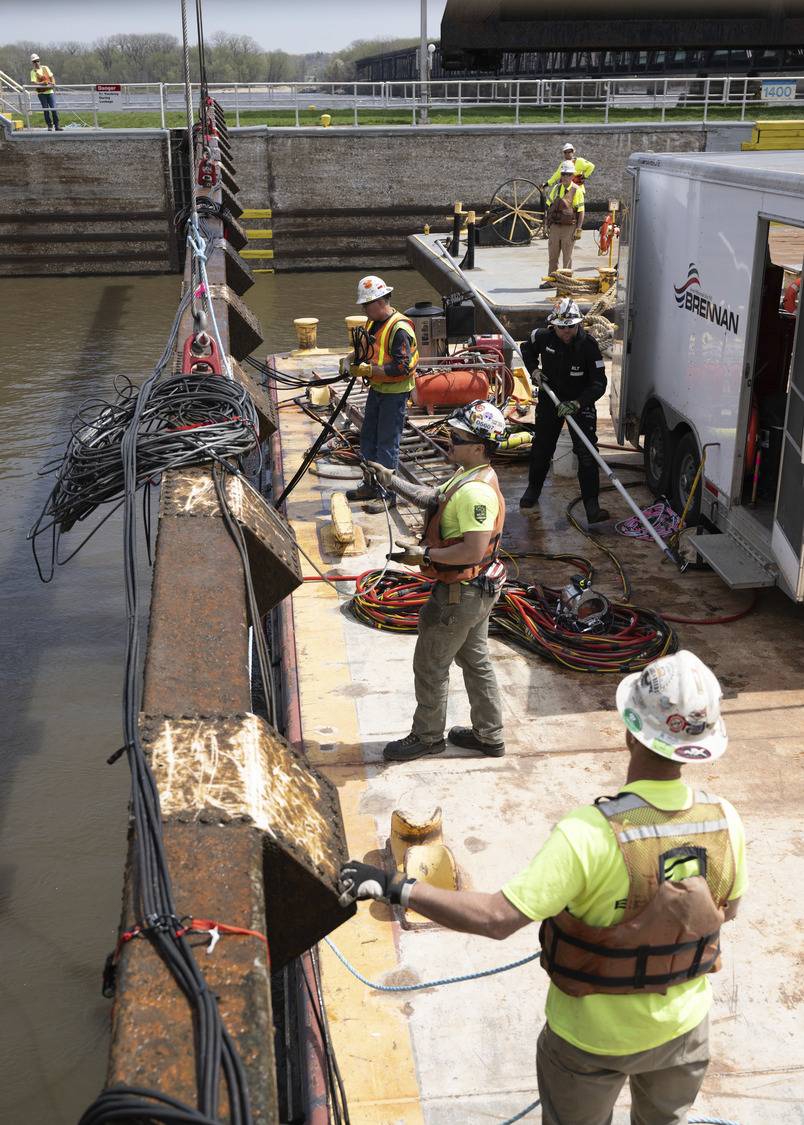
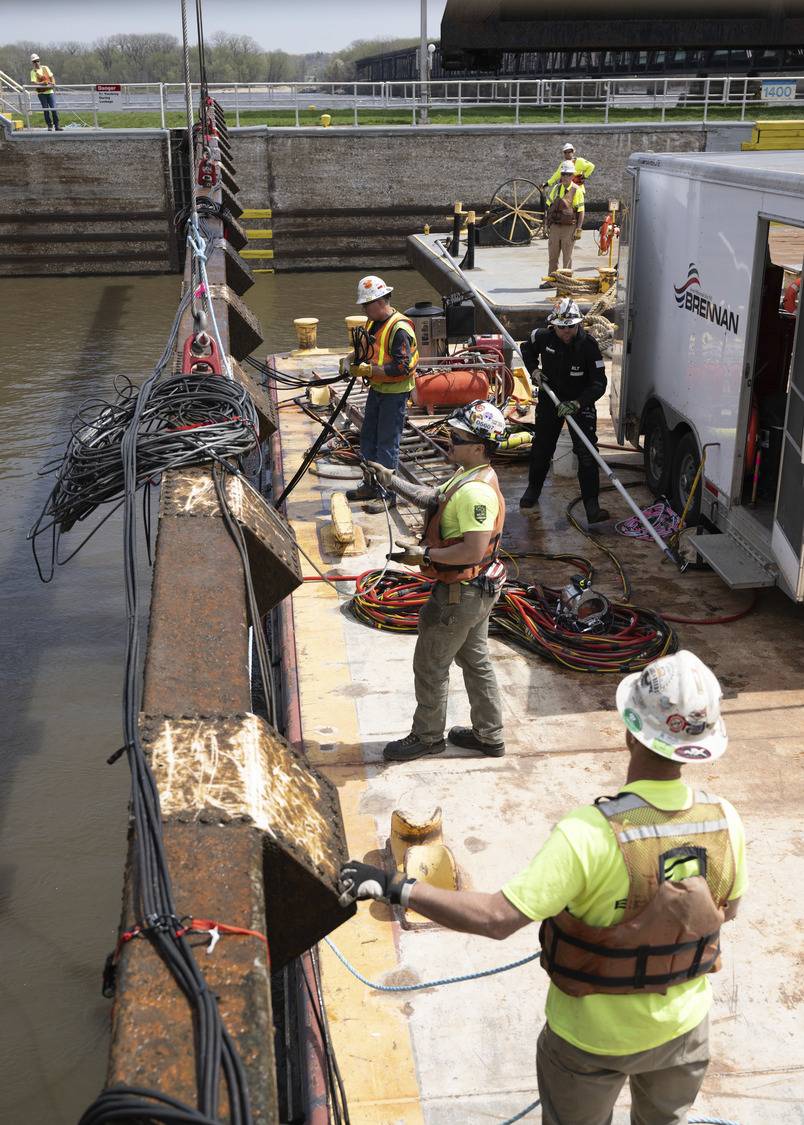
Brennan is an instructive case study because it sits at the crossroads of several labor-intensive marine markets. The organization includes Brennan Marine, with five U.S. locations supporting fleeting and inland towing, and J.F. Brennan Company, with eight office locations handling environmental construction, underwater work and cable-related operations. Since 2020, the company has expanded from a Midwestern organization to a coast-to-coast player also working in Canada. Over that same period, employee count grew from 342 to more than 650. In 2025, retention rates in Brennan Marine were 49 percent, while the construction side posted 81 percent, with overall retention of 75 percent for union employees and 86 percent for non-union employees. Those numbers tell a story of both growth and the uneven workforce realities inside different parts of the business.
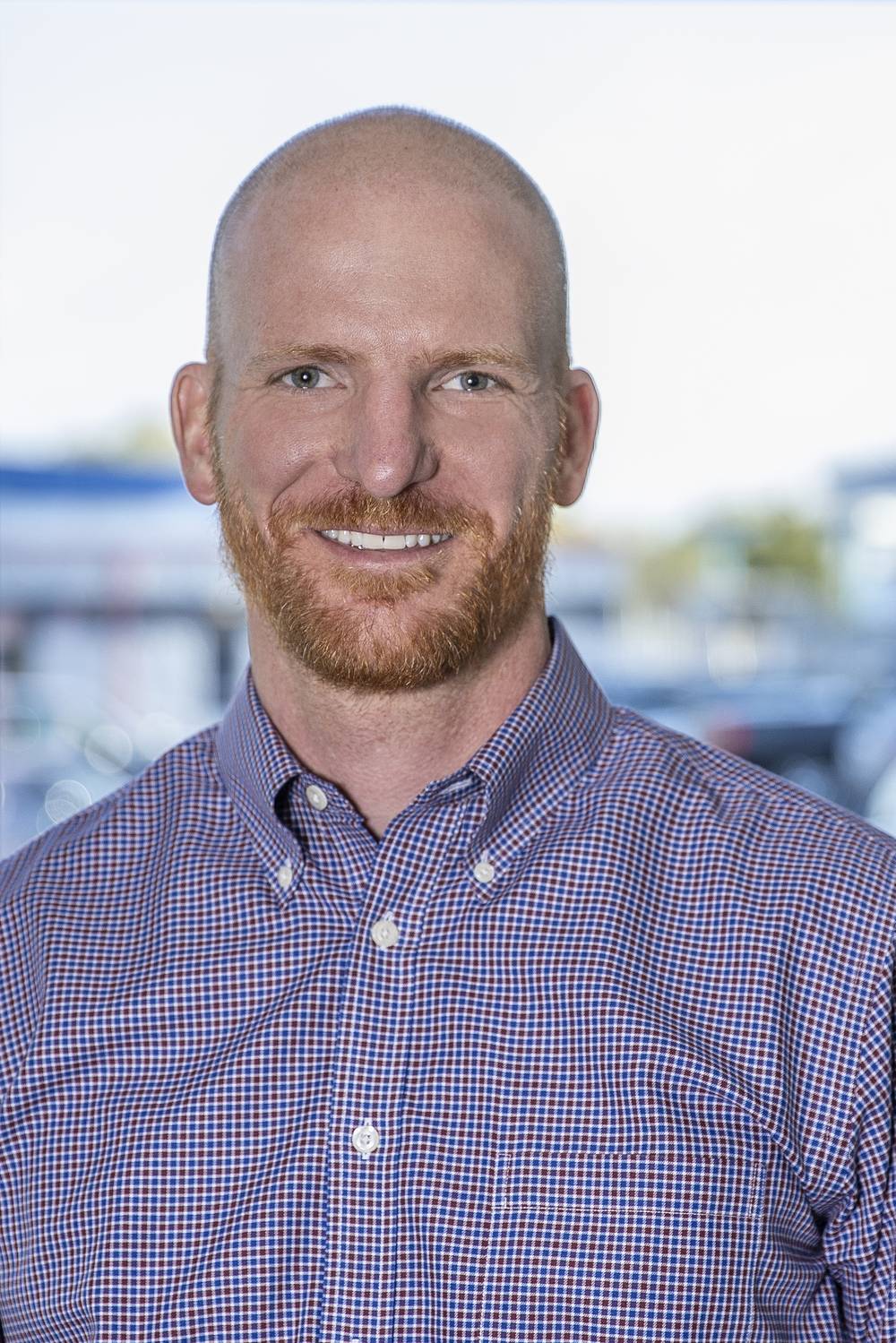
Pogodzinski, whose career spans construction, manufacturing, warehousing and transportation, frames the issue in direct human terms. “My job is all about people,” she said. “It’s all about getting people, keeping people, and what is their employee experience while they’re at Brennan?” That focus, she added, extends even to employees who choose to leave. “How do we make sure that if they do choose to leave us, they still have a good experience, because that impacts the workplace as well.”
That kind of thinking reflects a significant shift from how much of maritime used to hire. For decades, many operators could rely on a fairly steady stream of workers who were familiar with physical labor, odd schedules and industrial environments. That is no longer the case. Brennan’s leaders know it, and they are adjusting.
Binsfeld’s own career illustrates both the family continuity and the practical grounding of the company. “Through grade school, high school, we come and do odd jobs here, sorting bolts, cleaning bilges, and whatnot,” he said. After time away for school and another job, he returned in 2008 and worked his way through various positions before becoming president of Brennan Marine. That perspective matters, because he has seen the workforce change up close.
A Unique Work Culture
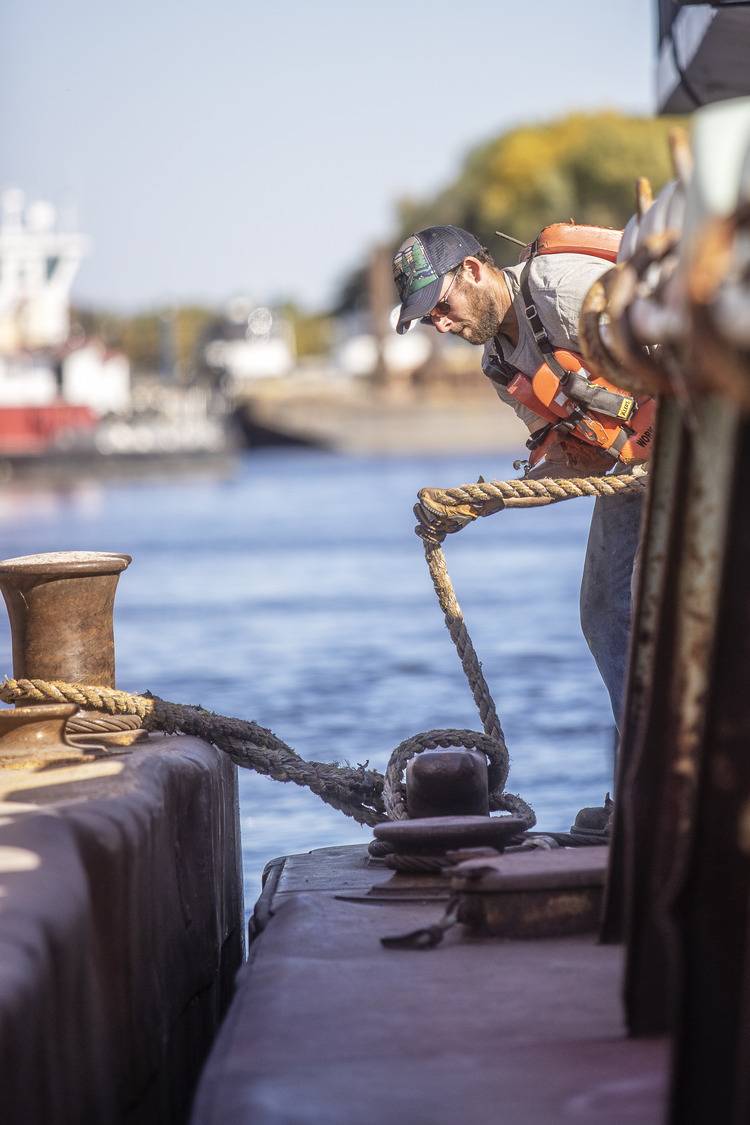
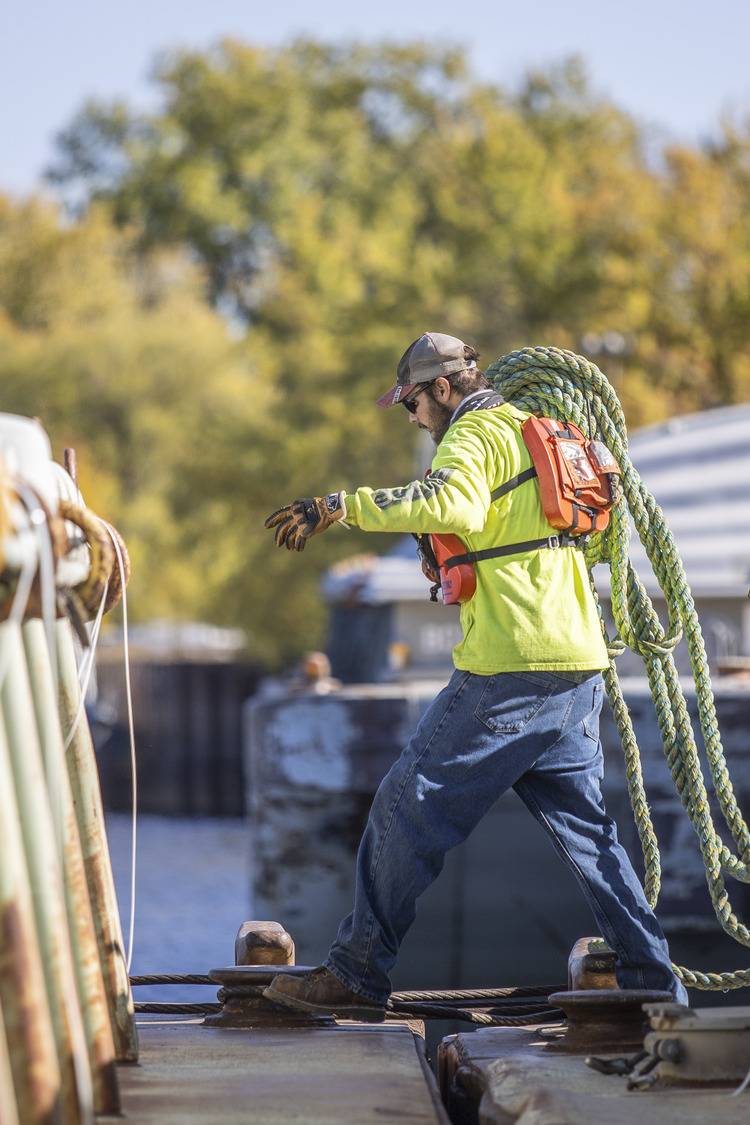
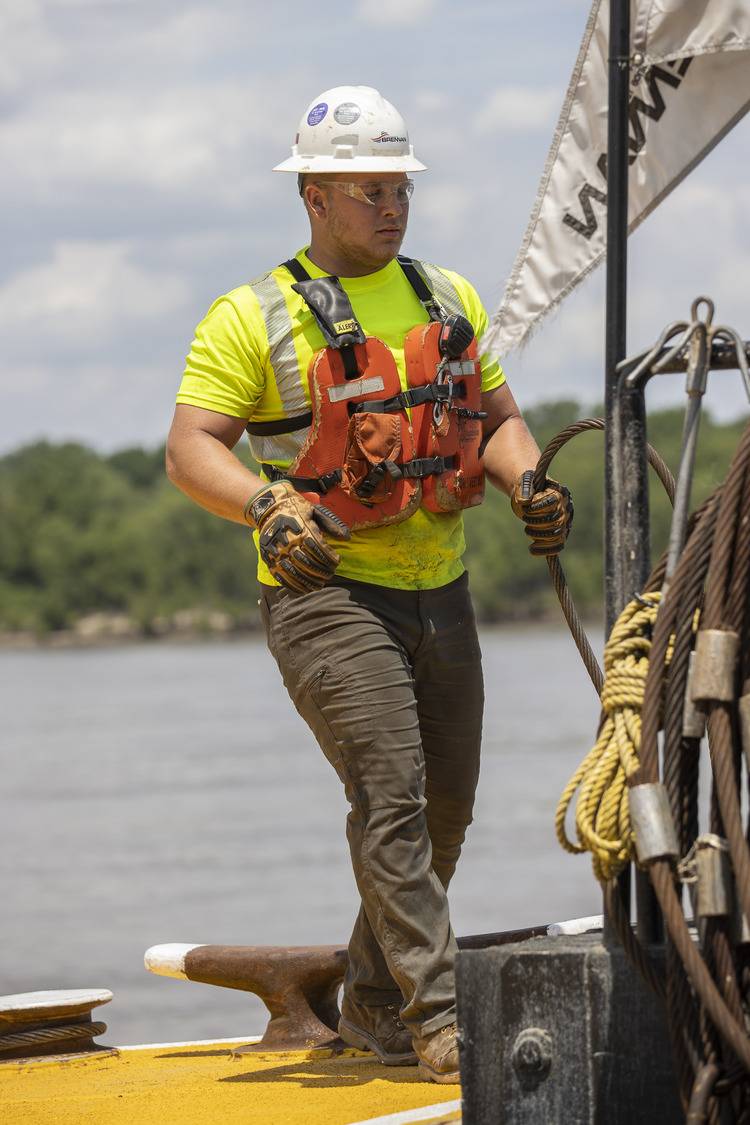
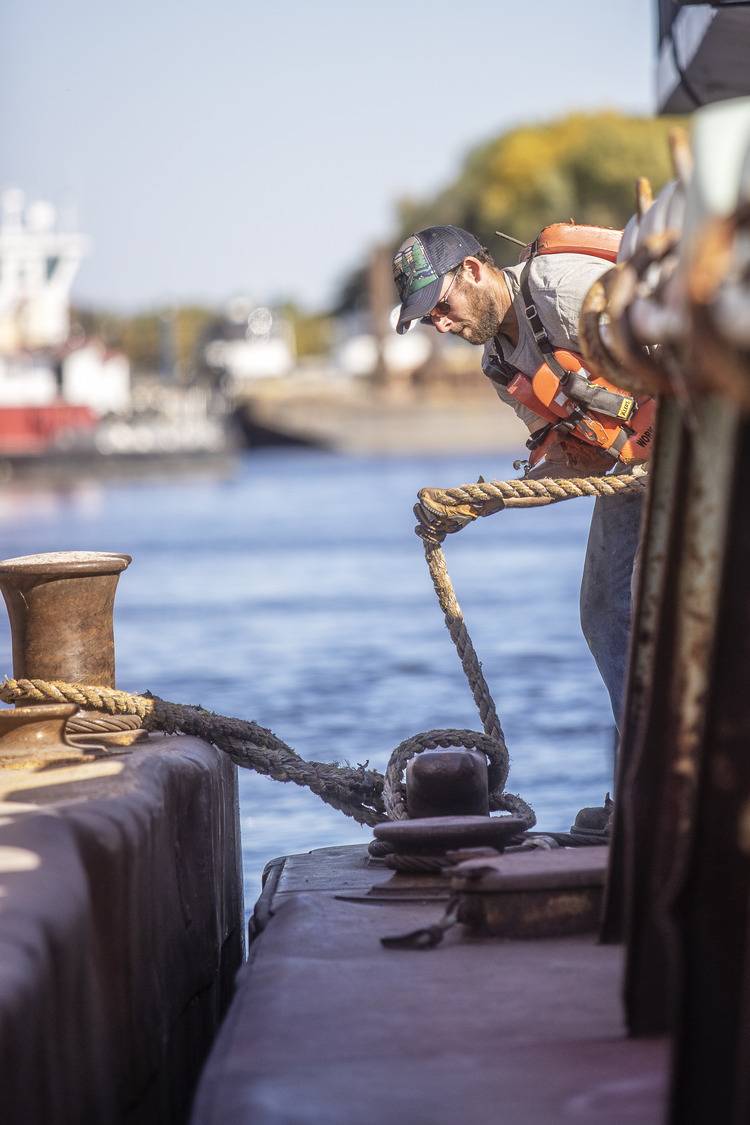
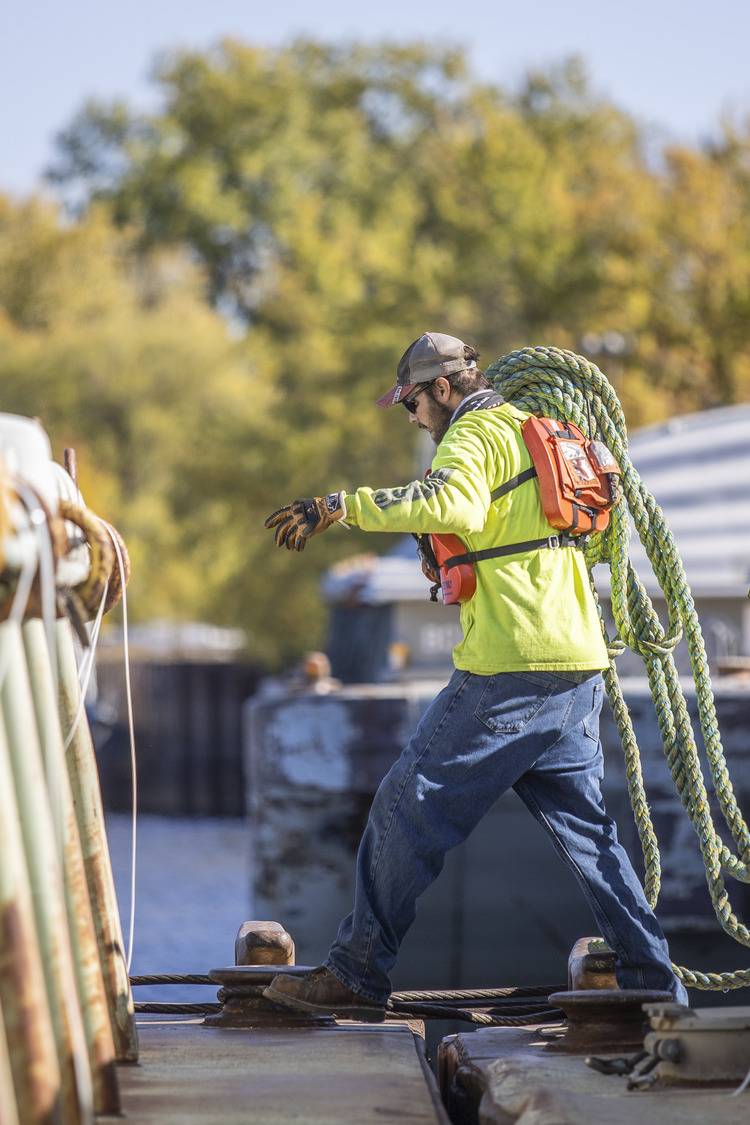
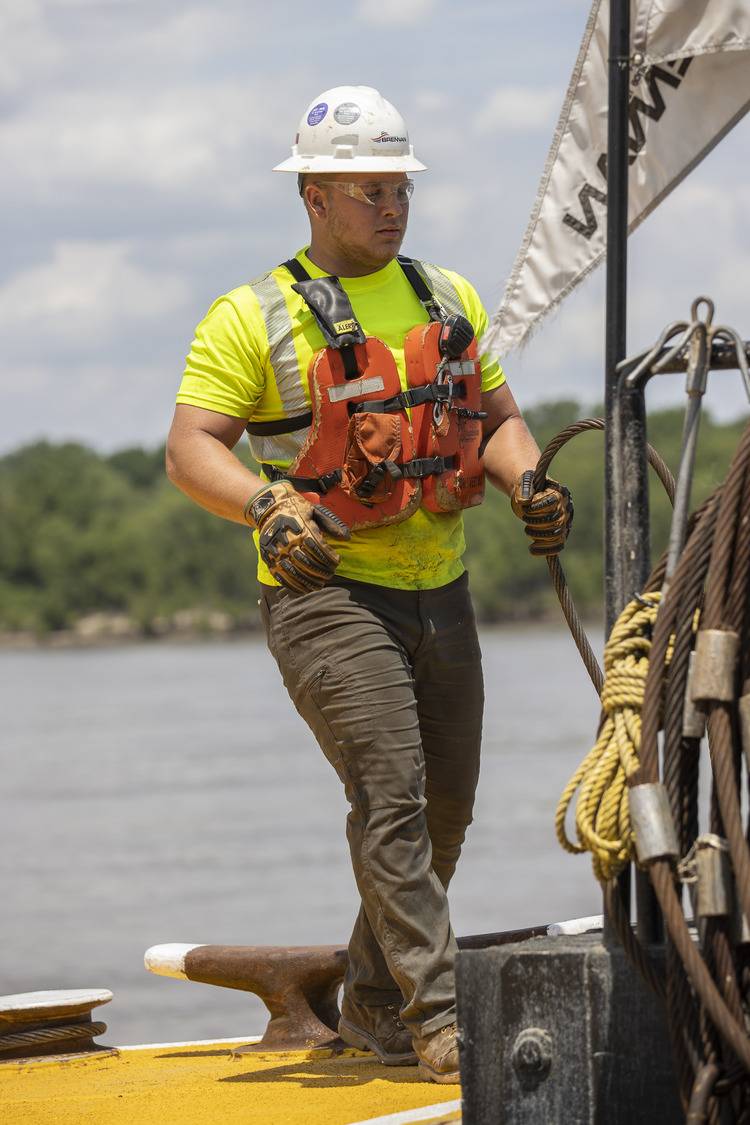
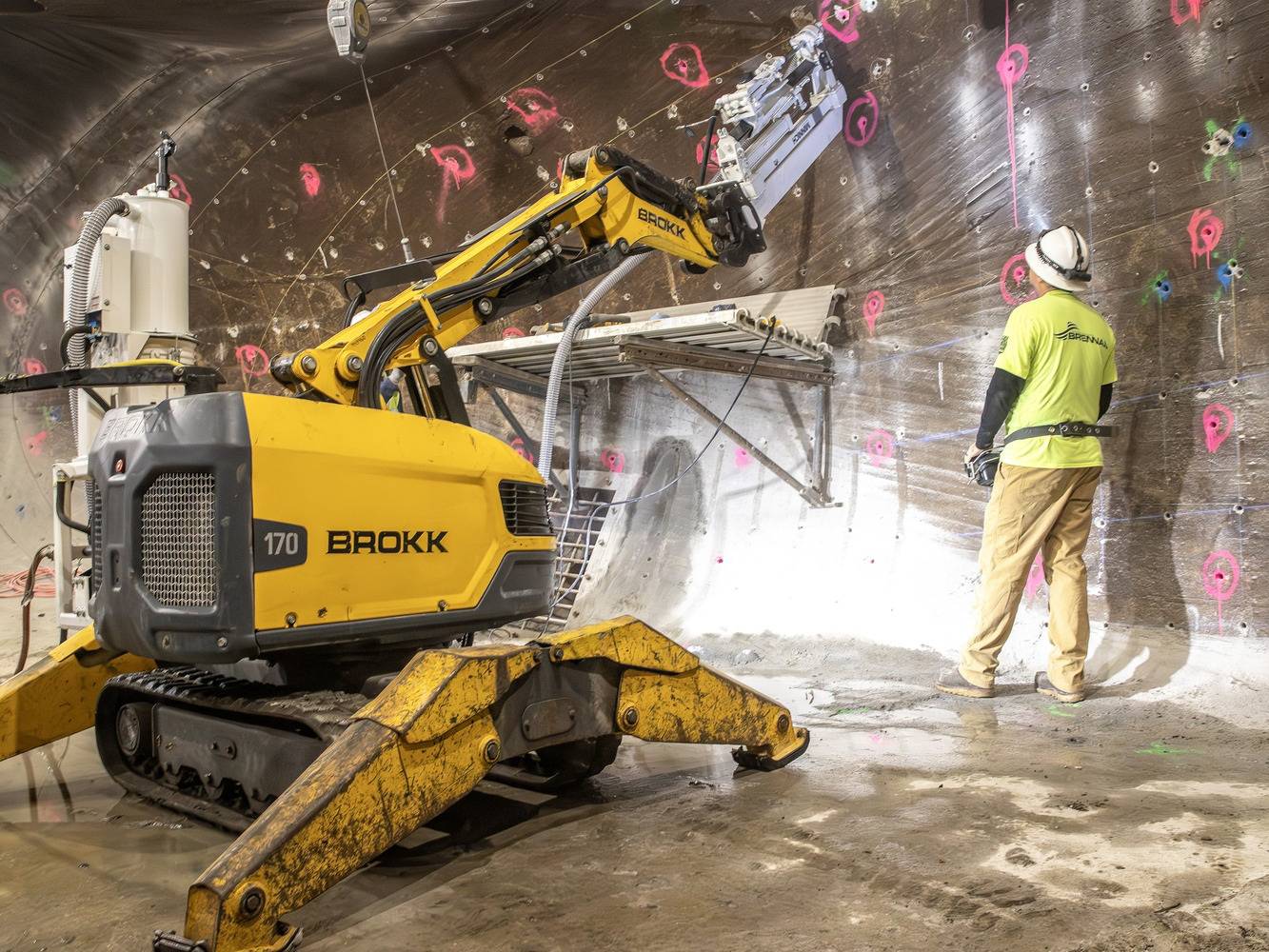
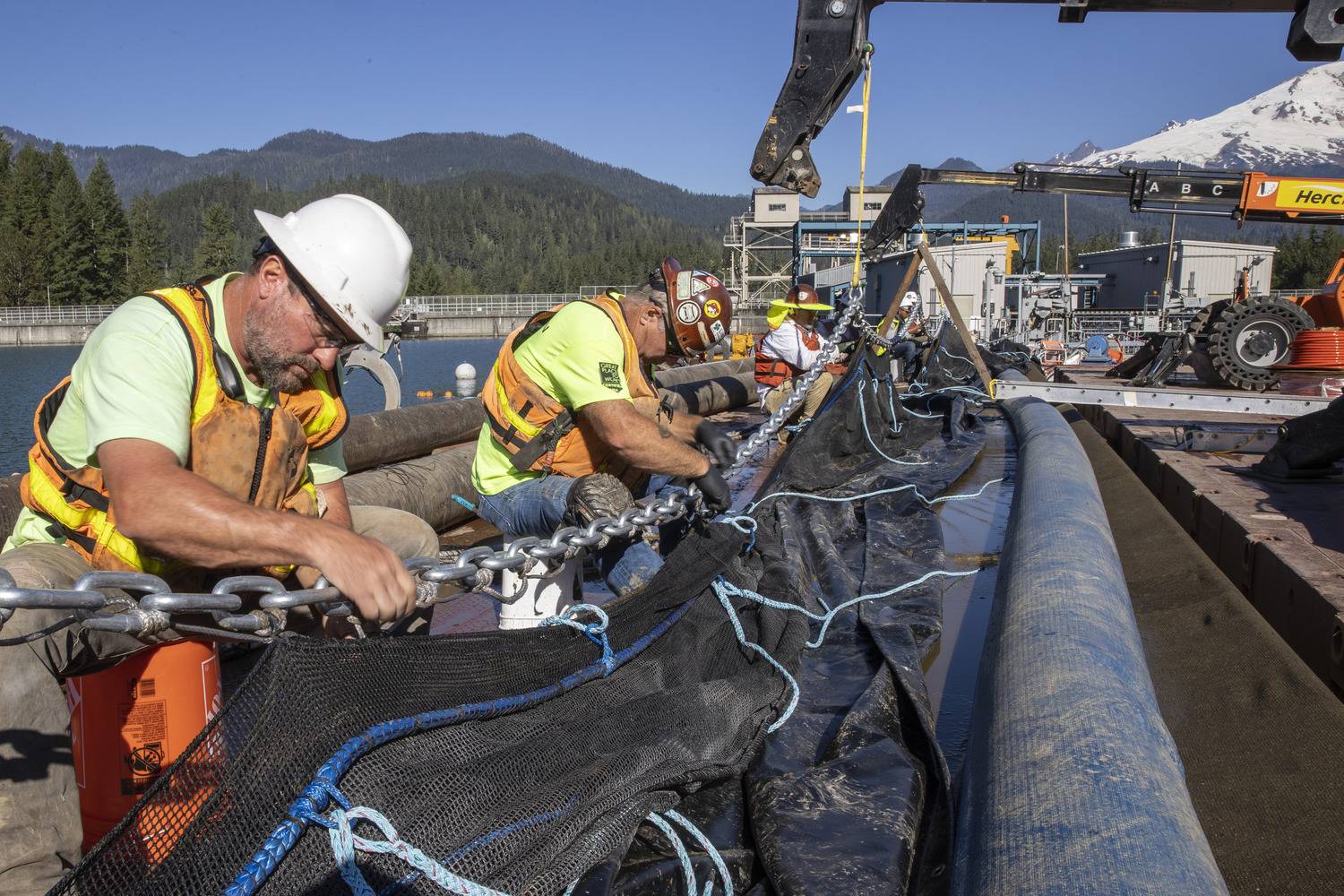
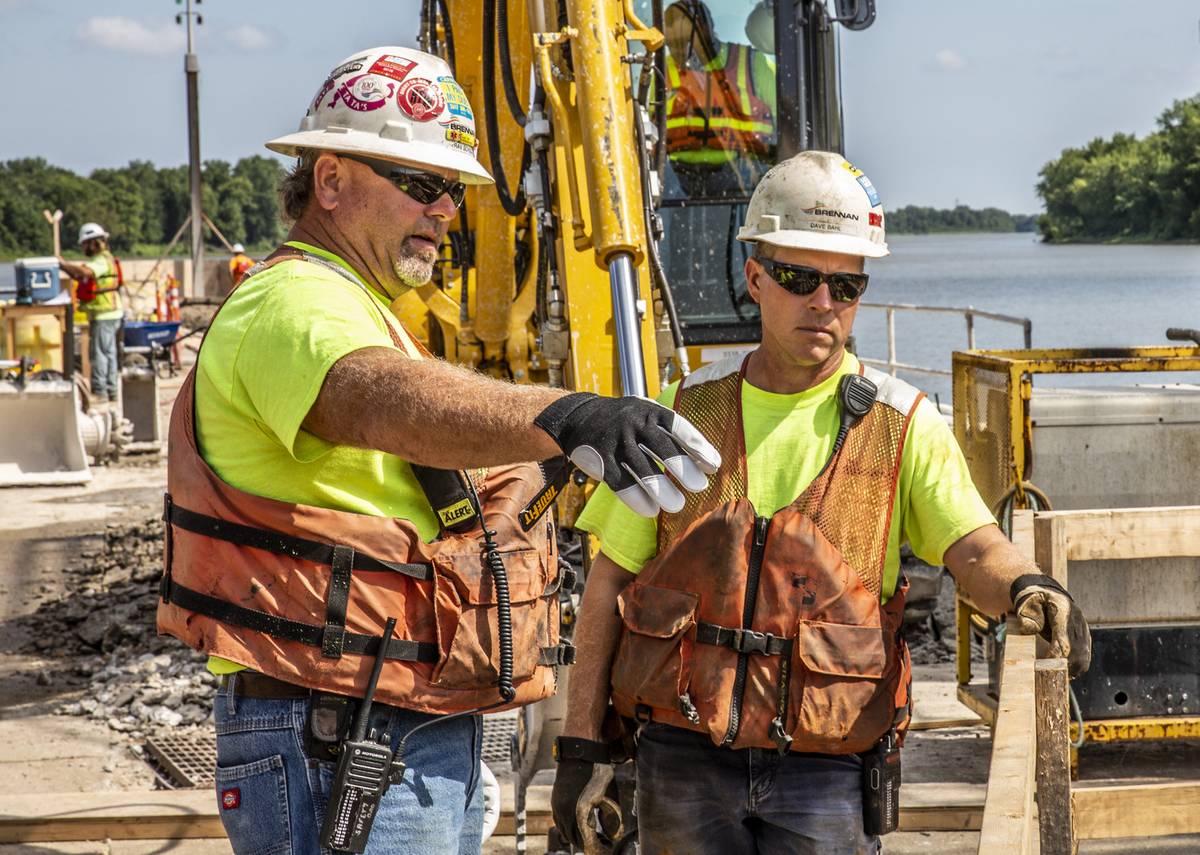
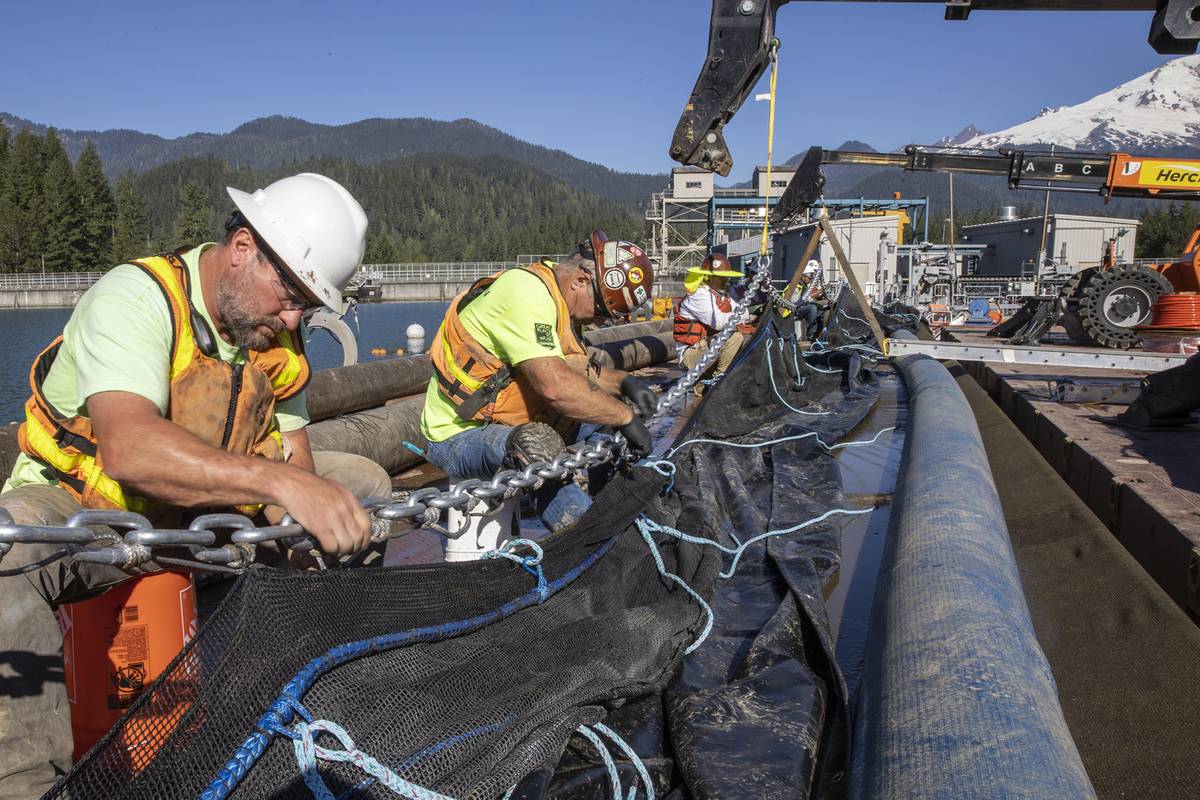
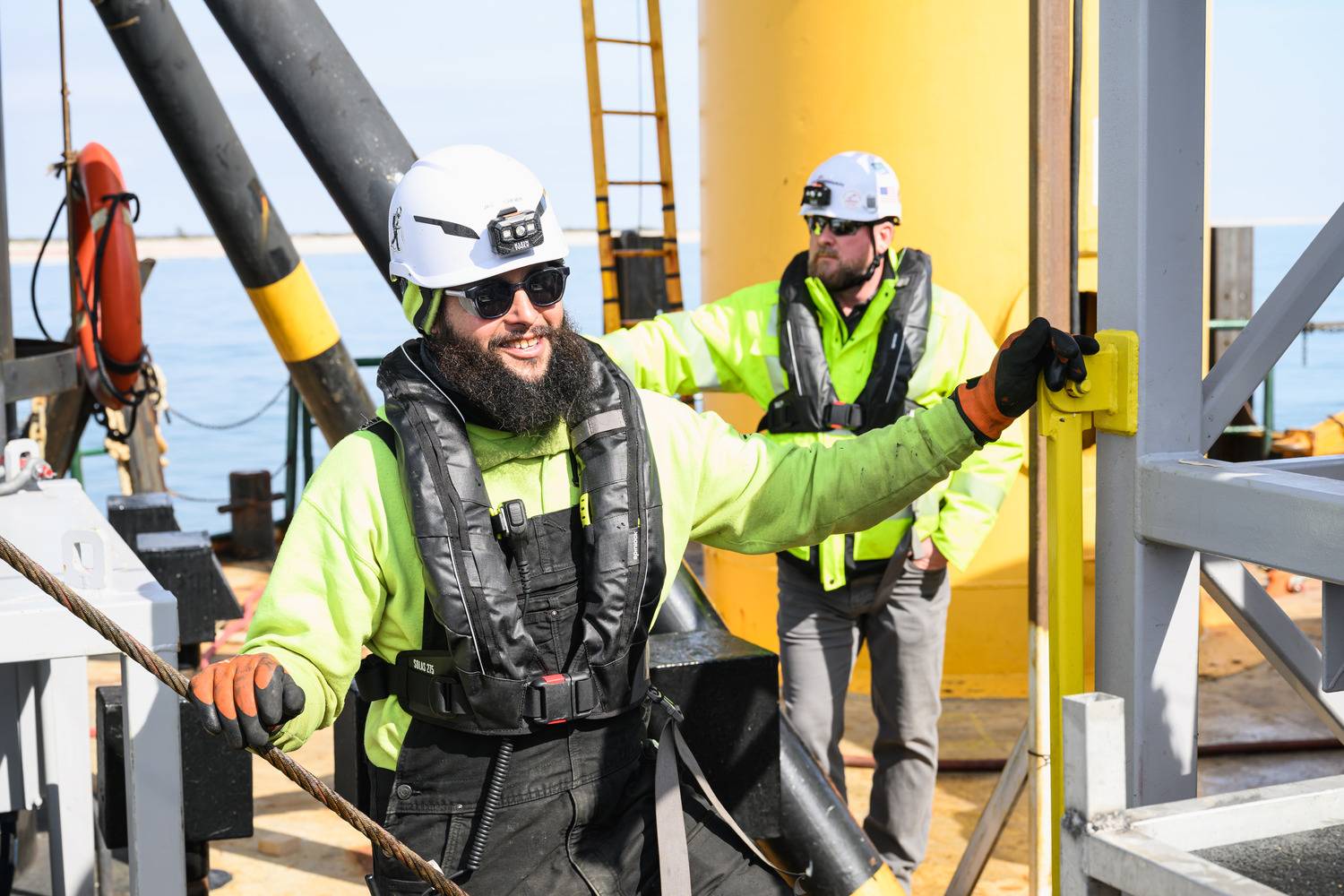
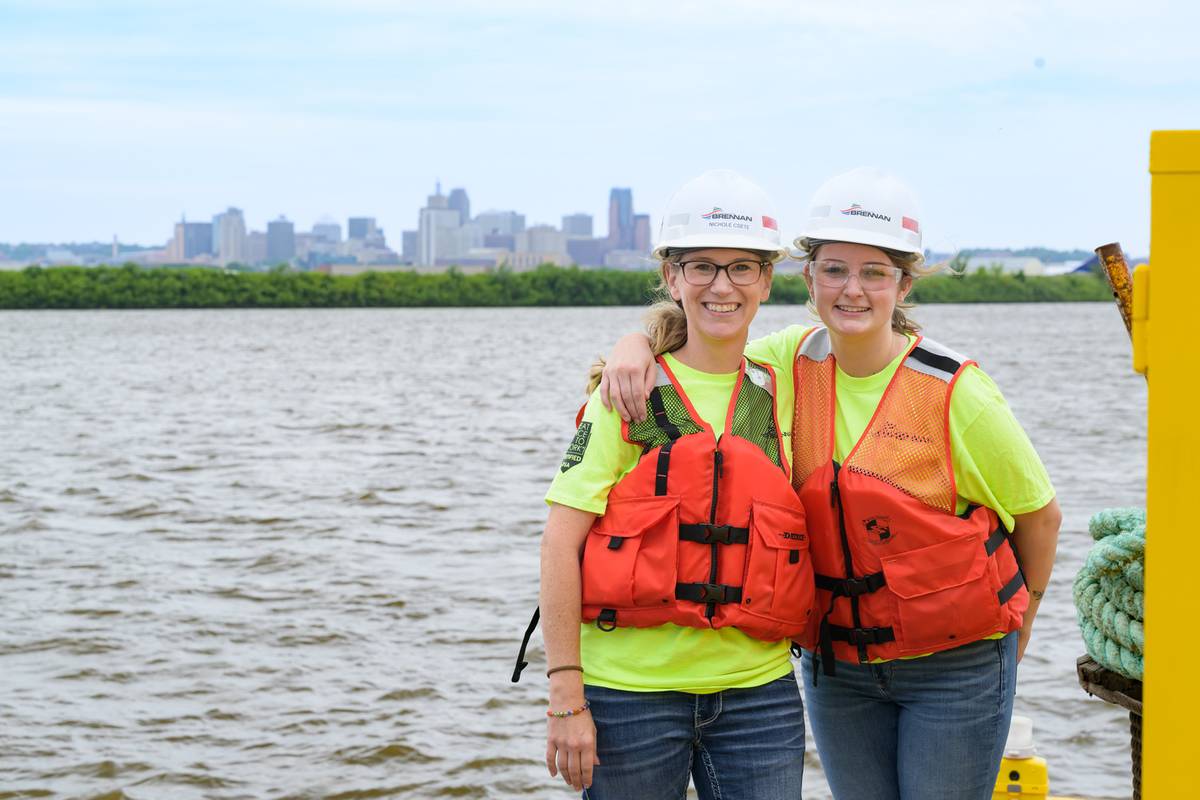
For boat crews especially, the company is realistic about what the job requires. Brennan likes to bring in young people right out of high school. Prior experience is not essential. Reliability, attitude and willingness to work are. “We like to get young people out of high school, no work experience is fine and we can teach them the job,” Binsfeld said. “They show up on time with a good attitude and ready to work and this would be a great career.”
But he is equally candid about the attrition that comes with the territory. “This job’s not for everybody,” he said. “It’s tough. It’s a difficult schedule. Rain or shine, we’re out there working.” Brennan accepts that fact and responds not by lowering expectations, but by widening the recruiting funnel and making the career case more clearly. Culture sits at the center of that effort.
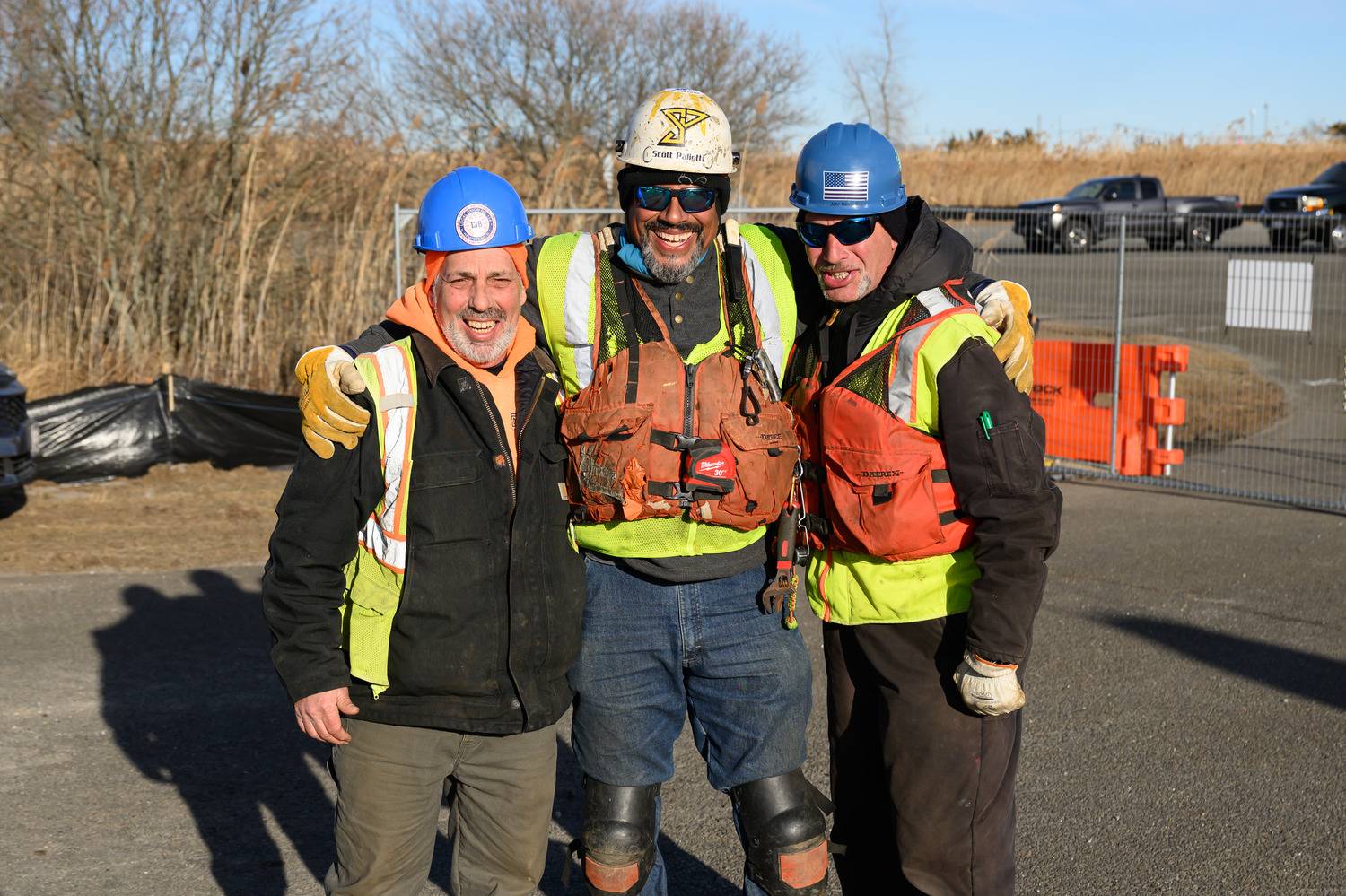
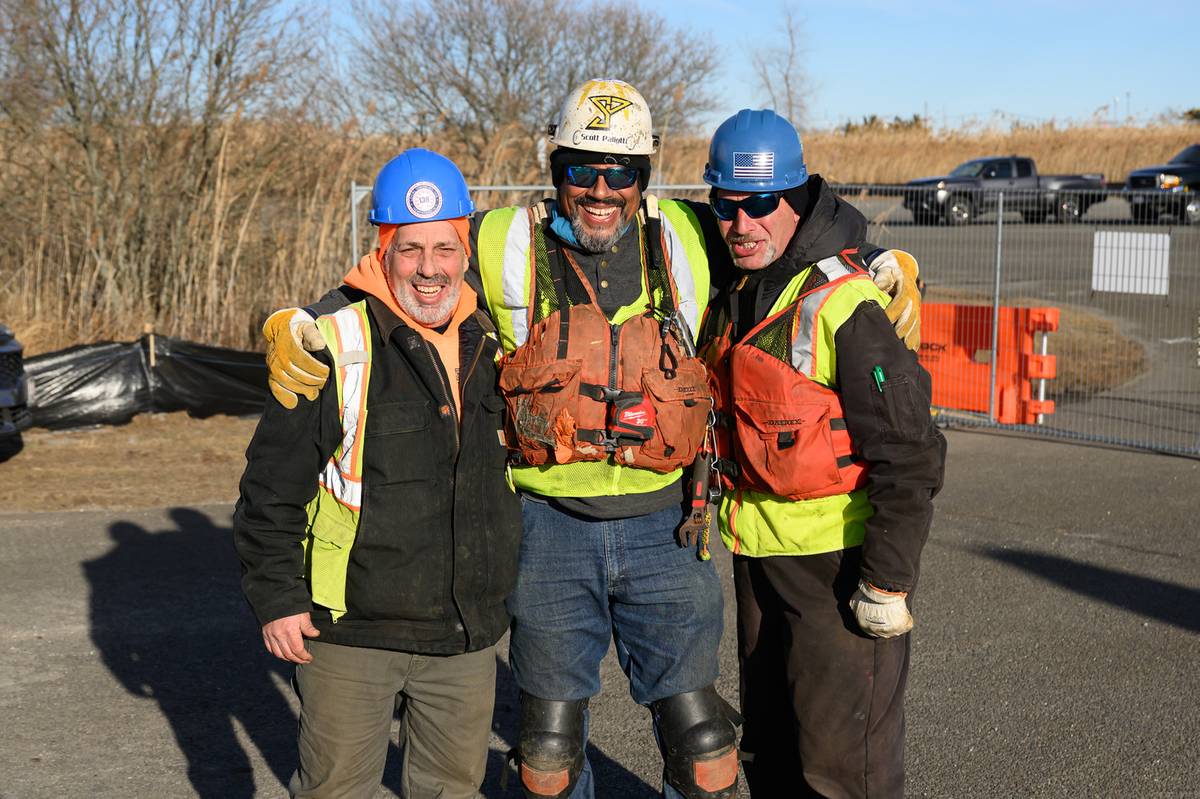
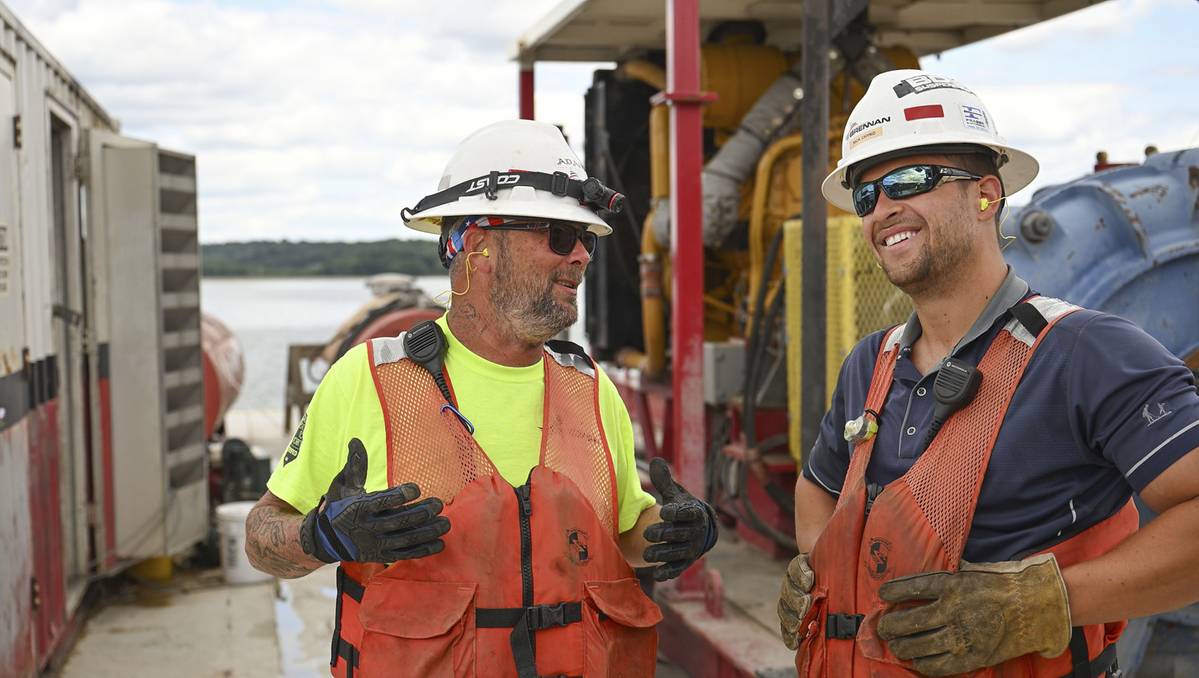
“I’d say culture is one of our biggest assets here, probably second to people,” Binsfeld said. “Culture is what makes the organization sticky.” It is also what helps younger workers connect to the business and see a future inside it. Brennan’s culture, he said, is not abstract or framed on a wall. “Our mission is carried out every day on job sites,” he said. “The culture that we enjoy here is really how we get our work done.”
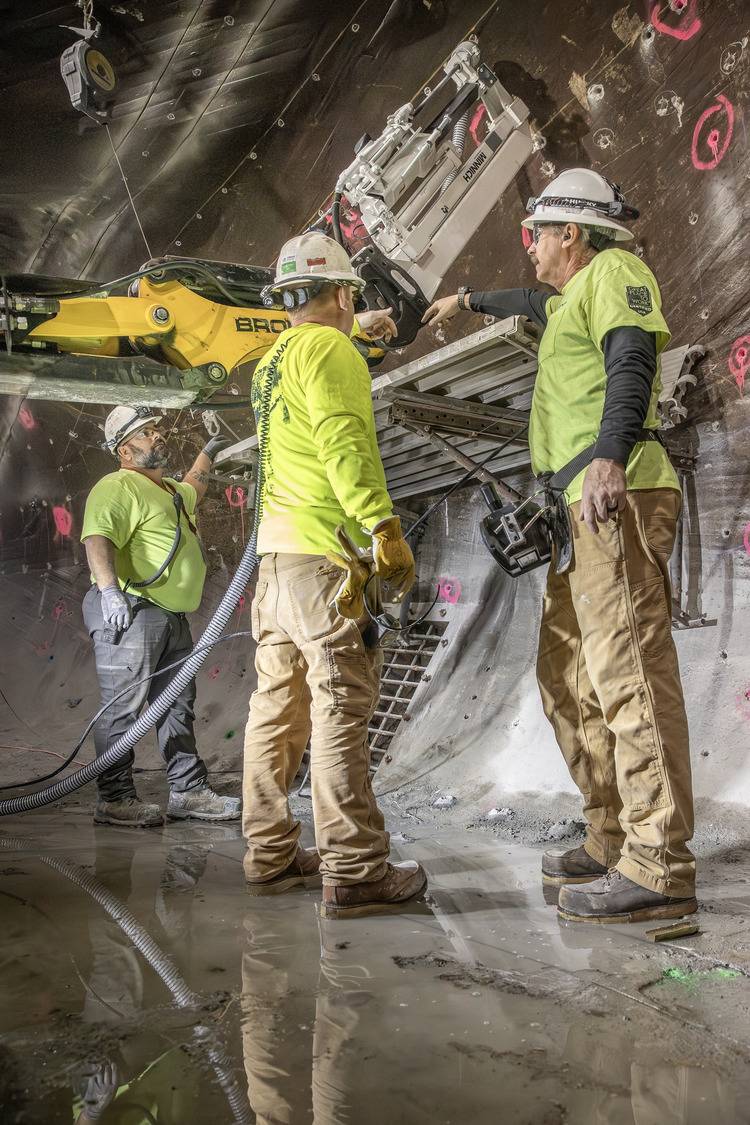
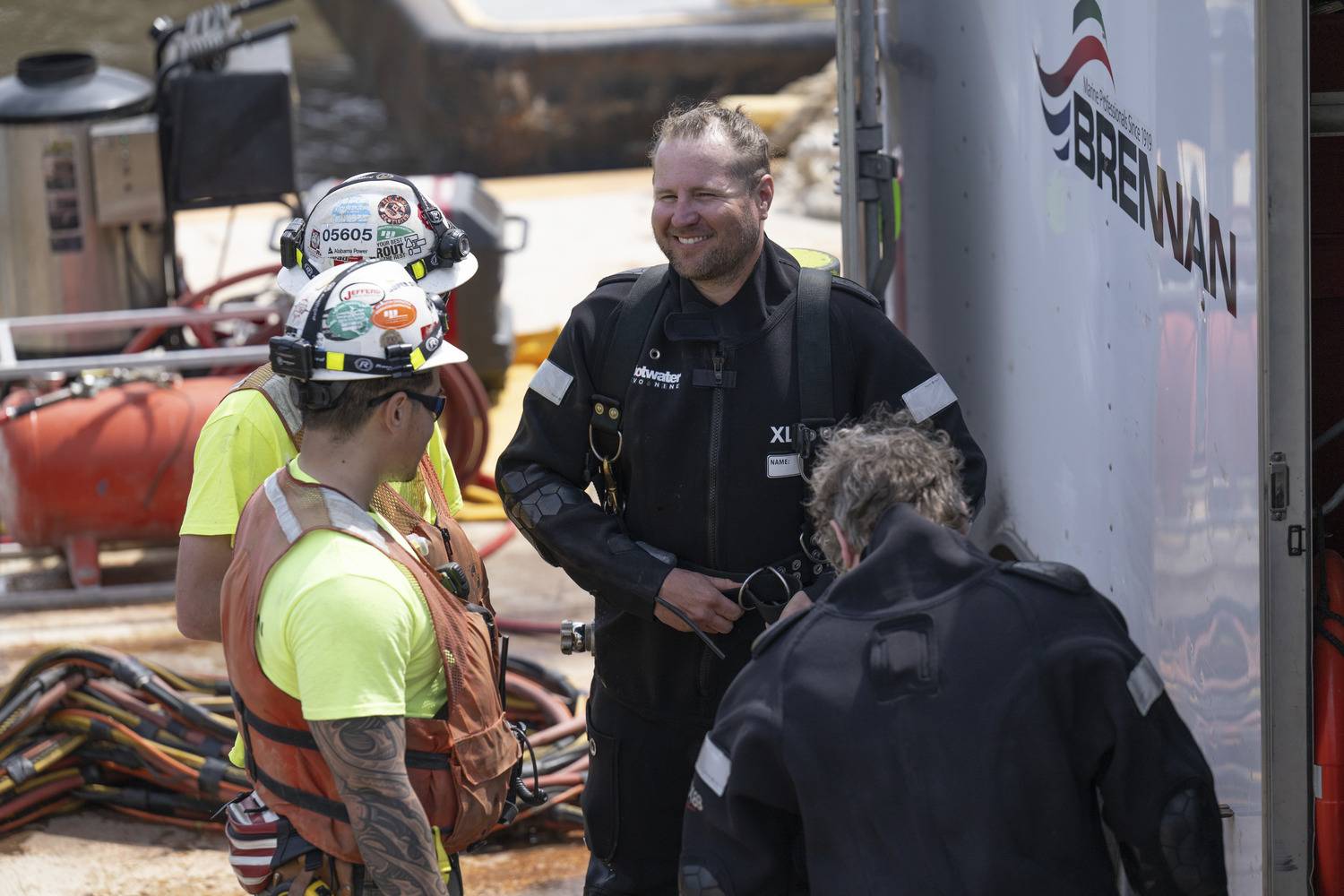
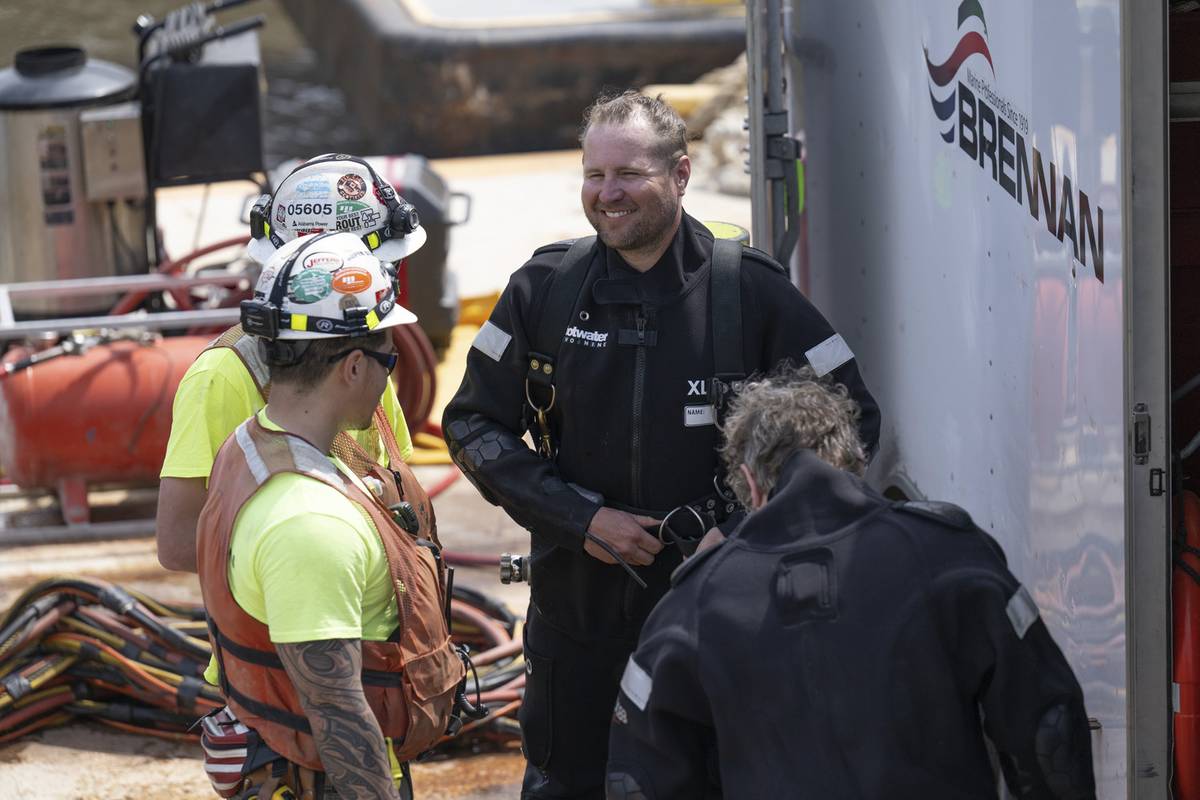
Scherf, who came to Brennan through the acquisition of Pro-Dive after more than three decades in commercial diving, put a finer point on it. The underwater business has long been shaped by freelancers who can move from company to company. Yet he sees workers leave and then return once they recognize the difference in how Brennan operates. “They see it, that they’re not just a number, they’re actually a person, and that there’s a huge growth opportunity,” he said. “They come back. They’re like, ‘Hey, I think I get it now.’”
Challenges of an Aging Workforce
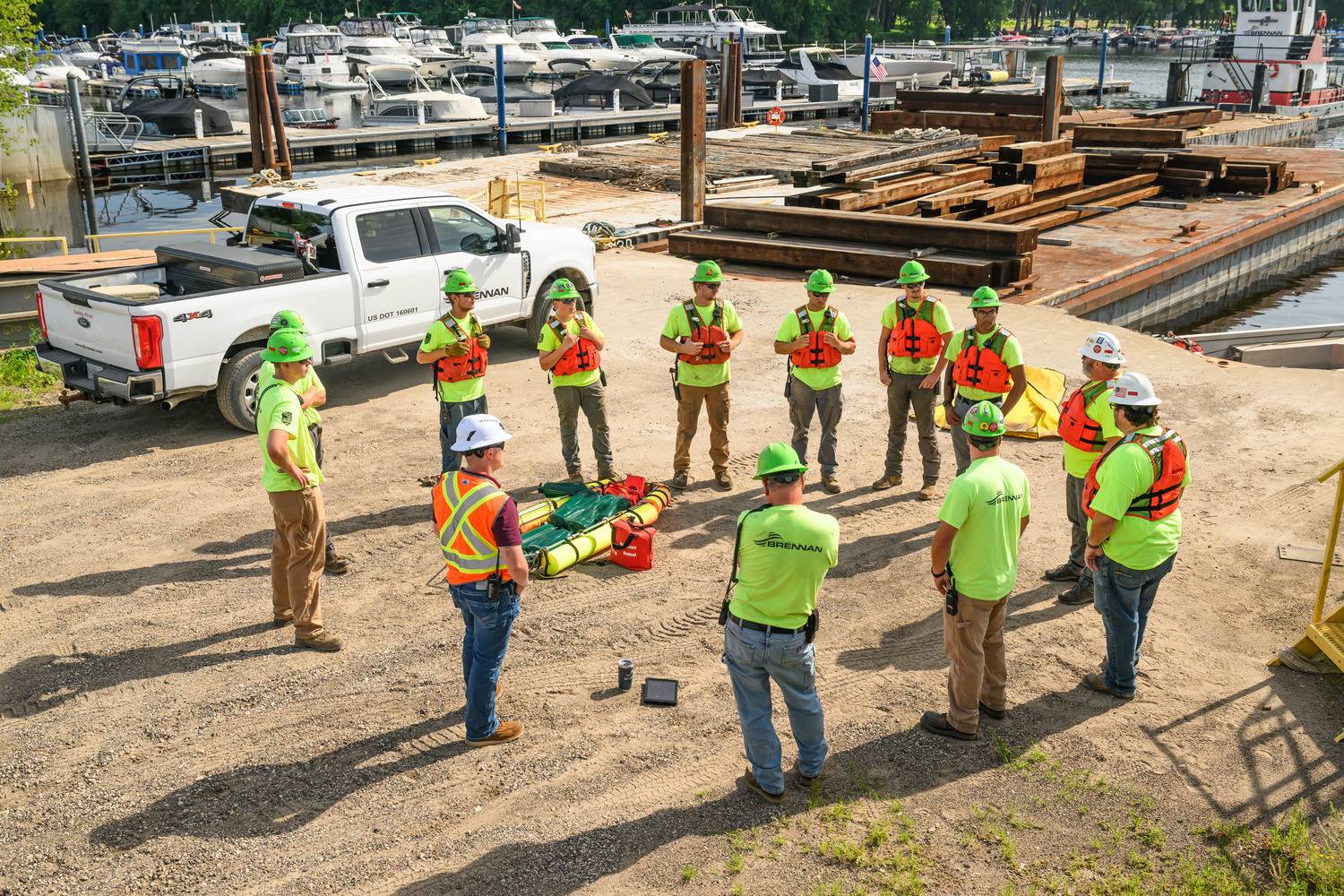
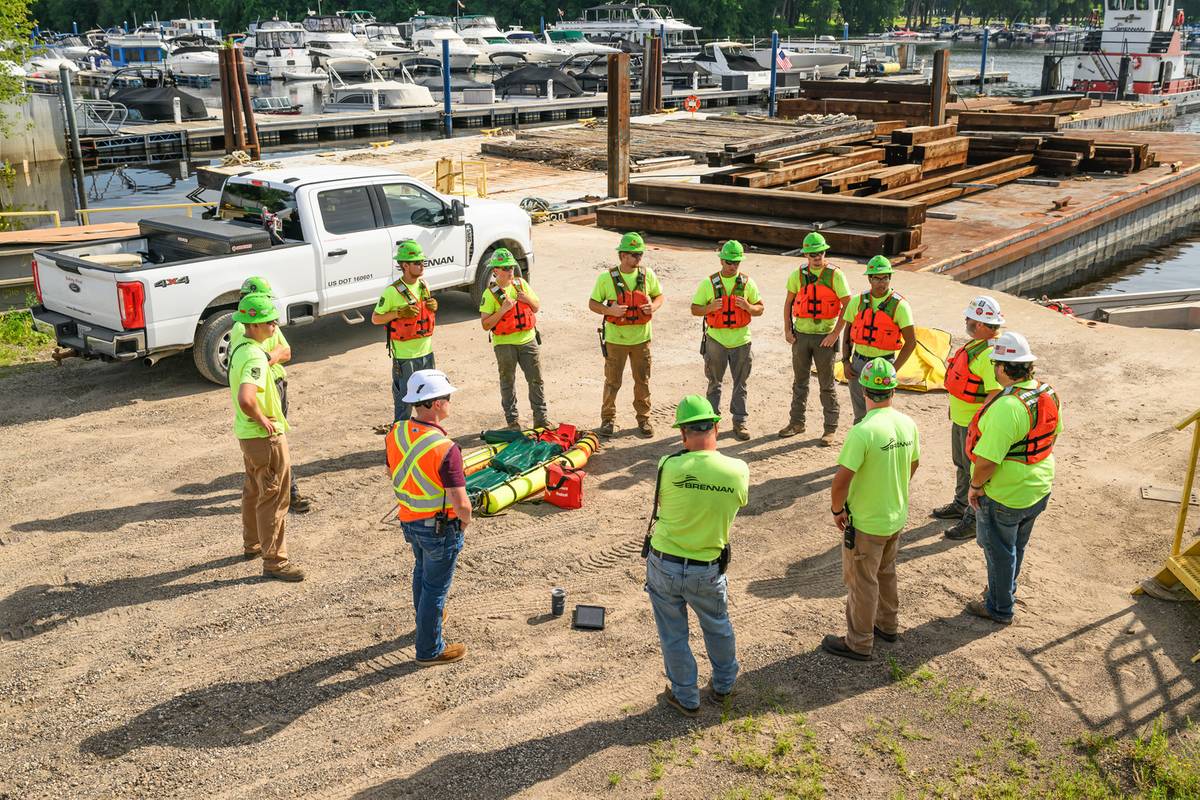
Pogodzinski said Brennan works hard to make that culture tangible through what it calls The Brennan Way, a set of cultural tenets every employee receives on a card when they join the company. Those tenets are discussed during safety meetings across job sites. “It’s not just something that’s on a wall in the corporate office that nobody ever talks about,” she said. “It’s something that’s talked about everywhere all the time.”
That matters because the workforce problem facing Brennan is not simply a Brennan problem. It is a structural challenge that now touches nearly every corner of maritime and construction. Pogodzinski was blunt about the demographic headwinds. “There’s a 19 percent decrease in birth rates since 2000,” she said. “Those fewer birth rates today mean that there’s fewer 16-to-24-year-olds available for tomorrow’s apprenticeships, field crews, shipyards, marine operations.” At the same time, older workers are retiring out faster than they can be replaced, while enrollment in college still far outpaces participation in the trades.
The result is a painfully familiar mismatch: companies need experience, but there are fewer people entering the pipeline to gain it. Brennan often searches for workers who already understand marine operations, and those candidates are rare. Pogodzinski laughed at the challenge, but only because the phrase rings so true. “We’re often looking for people who have marine experience, which is like looking for a purple unicorn,” she said.

That is especially true for project managers, among the hardest roles Brennan has to fill. The company’s work is specialized, geographically dispersed and often travel-intensive. That lifestyle can appeal to younger workers early in their careers, but it gets harder to sustain over time. “They start having families and then they don’t want to travel as much,” Pogodzinski said. “That creates a challenge because you don’t want to lose that talent because that talent’s what’s going to feed your future.”
Scherf sees the same issue from the diving side, but he frames it through workload and purpose. “The big thing for us in recruiting and keeping people is, number one, you have to have the work,” he said. “People want to work, people want to provide for their families.” Brennan’s answer has been to keep continuity between big projects with smaller “fill-in” jobs so crews do not drift into the freelance market. Then comes the quality of the work itself. “The work that we’re performing now is so complex and so diverse, it’s really attracting people,” he said. “You have to have that really good quality work to keep people around.”
“Yes”
Where does Brennan find those people? Everywhere it can.
Asked where the best employees come from today, Binsfeld answered with a single word: “Yes.” That means maritime academies, trade schools, commercial diving programs, military veterans, referrals and candidates from outside the sector altogether. It also means something Brennan now views as essential: going much younger than before. “We’re going into high schools, middle schools, some cases, grade schools, just to get the word out about the work we do and the fulfilling career that they should think about,” Binsfeld said.
Scherf echoed that approach and gave an example. After speaking to a welding class at a vocational school, one student later found his way into diving and eventually into Brennan. “That’s a feel-good situation where I guess I was able to get him on a path,” Scherf said. “Now I got to keep him working.”
Pogodzinski said the recruiting process itself has changed dramatically over the last 20 years. “It used to be that it was the short term,” she said. “You posted a job, you hope somebody applied to it, you interviewed whoever applied and you hired one of those people. That doesn’t happen much anymore.” Today, recruiting requires much more targeted outreach and much more patience. Brennan uses tools like LinkedIn and ZoomInfo to build passive pipelines, especially for professional roles, but technology alone is not the answer. Reputation, referrals and community presence remain among the most effective drivers. “Current employees and client referrals” are still the strongest tools, she said.
In many ways, Brennan’s strategy is built around the long game. The company works with schools, workforce groups and even other construction firms in its region to expose younger people to the trades. Pogodzinski believes industry collaboration is essential. “We have to work together instead of working against each other,” she said. “Our goal is to get them to join the industry.”
Just as important as what works is what does not. Brennan has learned that the “shotgun approach” to career fairs and college recruiting is an inefficient use of time. Better to identify which schools and programs produce candidates who fit the work, then build deeper relationships with those institutions. “Those kids, they know our name the minute they walk in and they’re looking for us when it comes time to looking for a job,” Pogodzinski said.
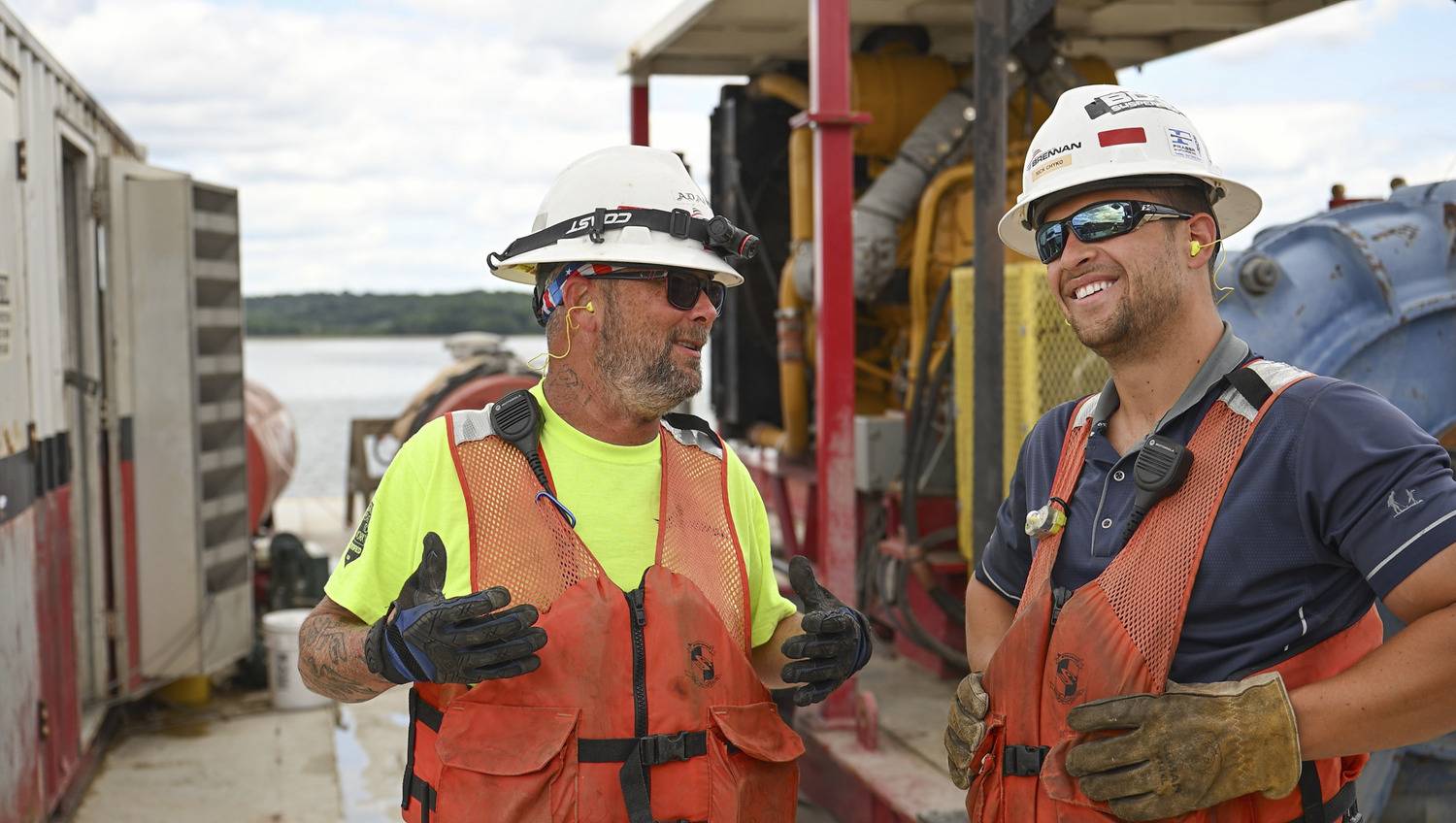
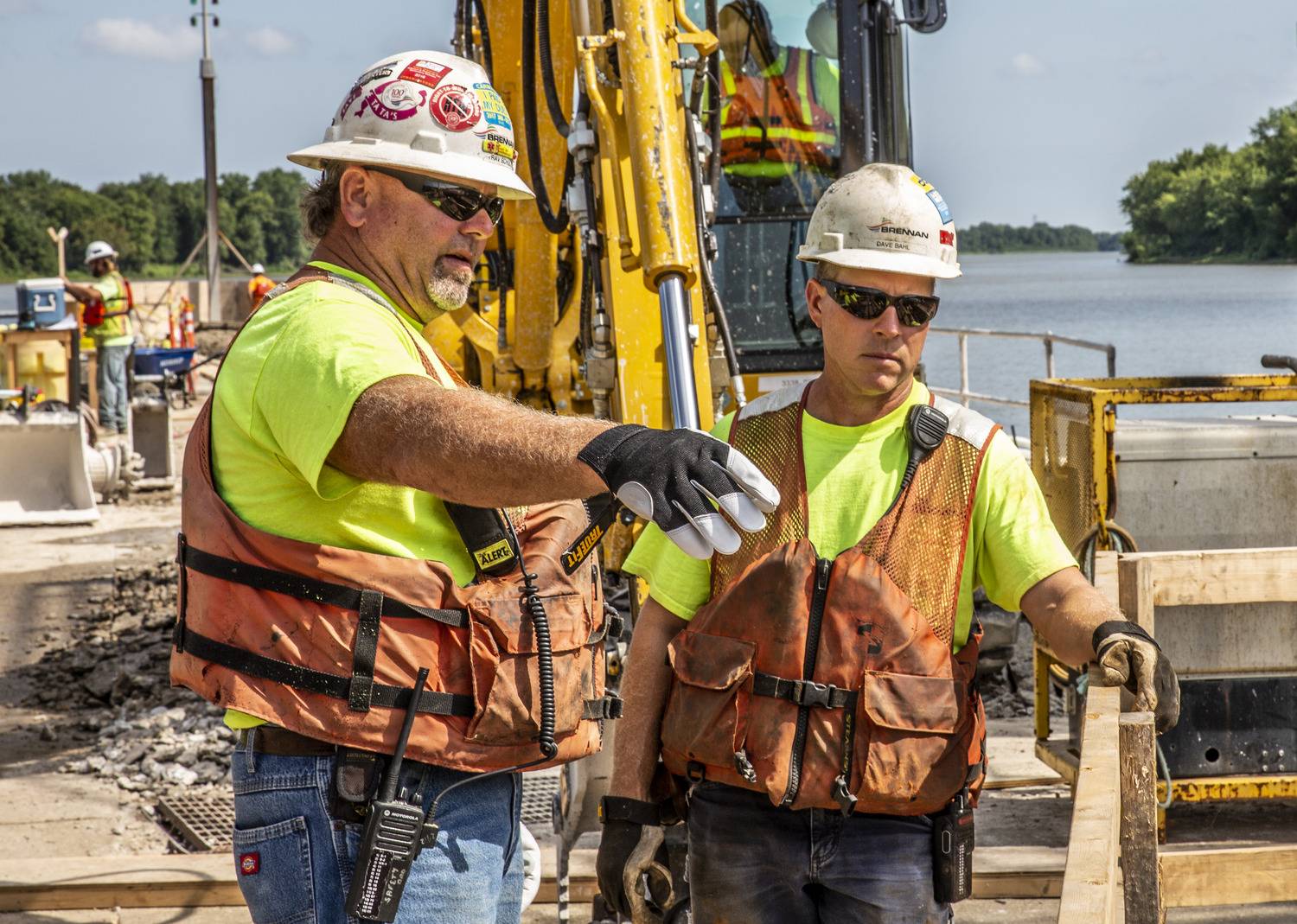
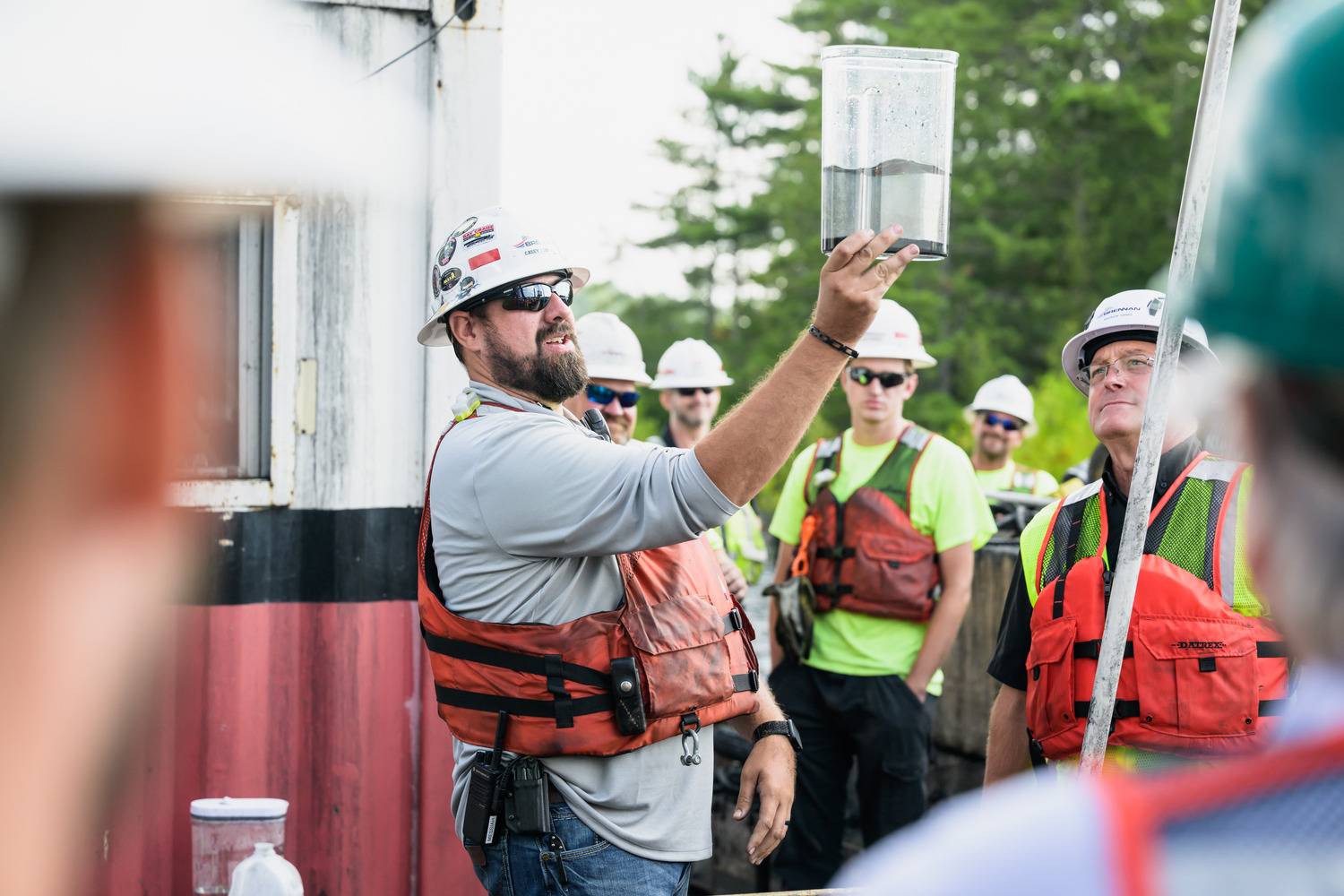
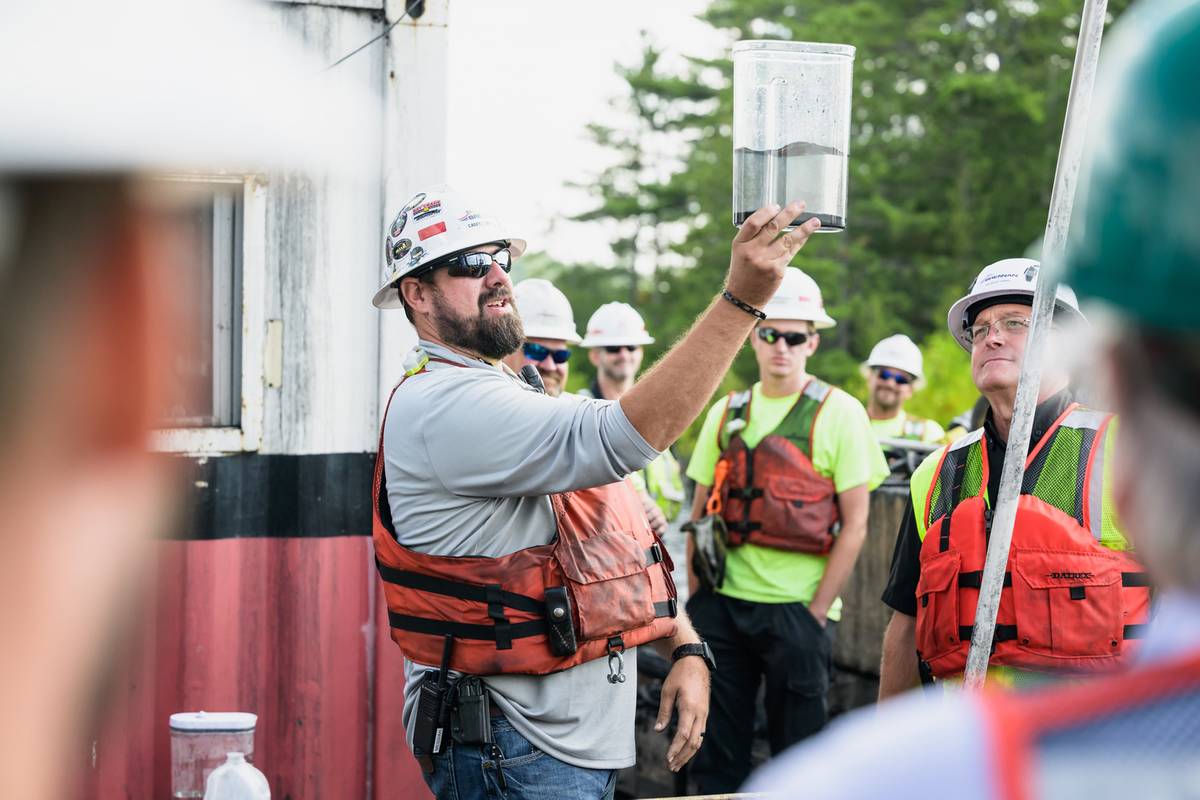
Scherf offered a similarly blunt assessment on training. “Death by PowerPoint” does not develop leaders or craftsmen, he said. “The science experiment doesn’t work. You have to have people out there in the field learning.” That means exposure to real projects, different job conditions and experienced mentors. It also means protecting mentorship from the everyday crush of project schedules. “We succeed when we have mentors,” he said. “When it gets too busy, you lose a lot of that mentorship.”

Brennan University

That concern helps explain Brennan University, the company’s internal learning platform. Developed as a concept in 2018 and 2019 and advanced with the hiring of a learning and development manager in 2022, it is meant to support retention, accelerate onboarding and provide clearer development pathways. For project managers, it offers dozens of short modules focused on Brennan-specific processes and expectations. For emerging leaders, it provides structured leadership development. “In the past it’s been, here you go, you’ve got the title, go figure it out,” Pogodzinski said. “We have to teach people how to be good leaders if we’re going to keep people in our organization.”
The platform also helps bridge knowledge across business lines. Scherf described how new technology, procedures and safety content can be created in-house and distributed quickly across the company. “All of our divers out across the country from coast to coast have the ability to go in,” he said, adding that it also helps employees understand work happening in other parts of the company. “It makes everyone a salesman for the company.”
A Clear Career Path + Balance
Still, if recruiting gets the headlines, retention is where the real value is won or lost. Scherf believes Brennan’s strength lies in giving people room to move. “There is a ton of movement like that in the company,” he said, pointing to employees who started in entry-level roles and rose into leadership, sometimes even crossing into entirely different business units. “That not only keeps them here, but it keeps their excitement level.”
Pogodzinski said the same principle applies more broadly. Brennan is creating career maps and development plans because younger workers often cannot envision what a future in maritime looks like. “They don’t know what it could look like, so they don’t know what to dream for,” she said. Brennan’s role, she argued, is to make those paths visible and attainable.
Binsfeld agrees, and he places the responsibility squarely on the company. “That’s also our expectation, our hope and expectation, and it’s on us to create the path for them to realize that goal,” he said. At Brennan, that opportunity is real. “There are a couple people on the executive team, vice presidents here that started as deck hands.”
The broader challenge, though, remains daunting. Pogodzinski no longer talks about “work-life balance” as a universal fix. She prefers “workplace alignment,” recognizing that what employees need changes with their life stage, role and priorities. “My balance is not the same as Justin’s balance is not the same as Adam’s balance,” she said. Companies that try to impose one formula on everyone, she suggested, will miss the mark.
That may be one of the most important lessons from Brennan’s workforce discussion. Marine work remains demanding. It should not be sold as anything else. But younger workers also want flexibility where possible, visible advancement, meaningful work and a sense that the employer sees them as more than labor units. Companies that do not adapt to that reality will lose good people.
So what does Brennan tell a 20-year-old considering a maritime career today?
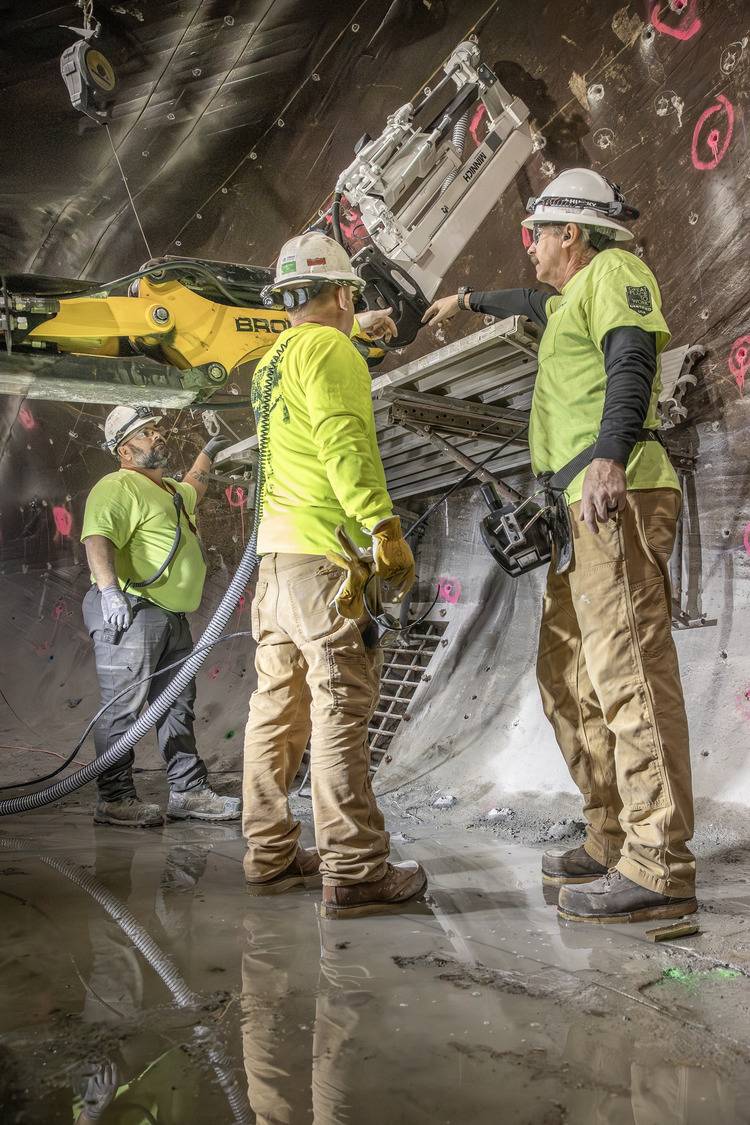
For Scherf, the answer is variety and pride. “No two days are the same in the maritime industry,” he said. “No two projects are the same.” And there is lasting satisfaction in seeing a bridge, a lock or a dam and knowing you helped build or repair it.
Binsfeld’s answer was just as straightforward. “It’s not for everybody,” he said. “It’s hard work working on the water, but at the end of the day, it is fulfilling work with wonderful people and a great company, a growing company.”
That, in many ways, is the Brennan message. Maritime is not easy. Marine construction is not easy. Diving is not easy. But the work matters, the need is growing and the companies that will win the workforce battle are the ones willing to recruit deliberately, train patiently and retain intentionally. Brennan is trying to do exactly that.
Listen to the full J.F. Brennan “Maritime Matters: The MarineLink Podcast” on effective recruitment and retention: